Justin Sun Accuses World Liberty of Freezing Tokens
— By Whatsertrade in Analysis
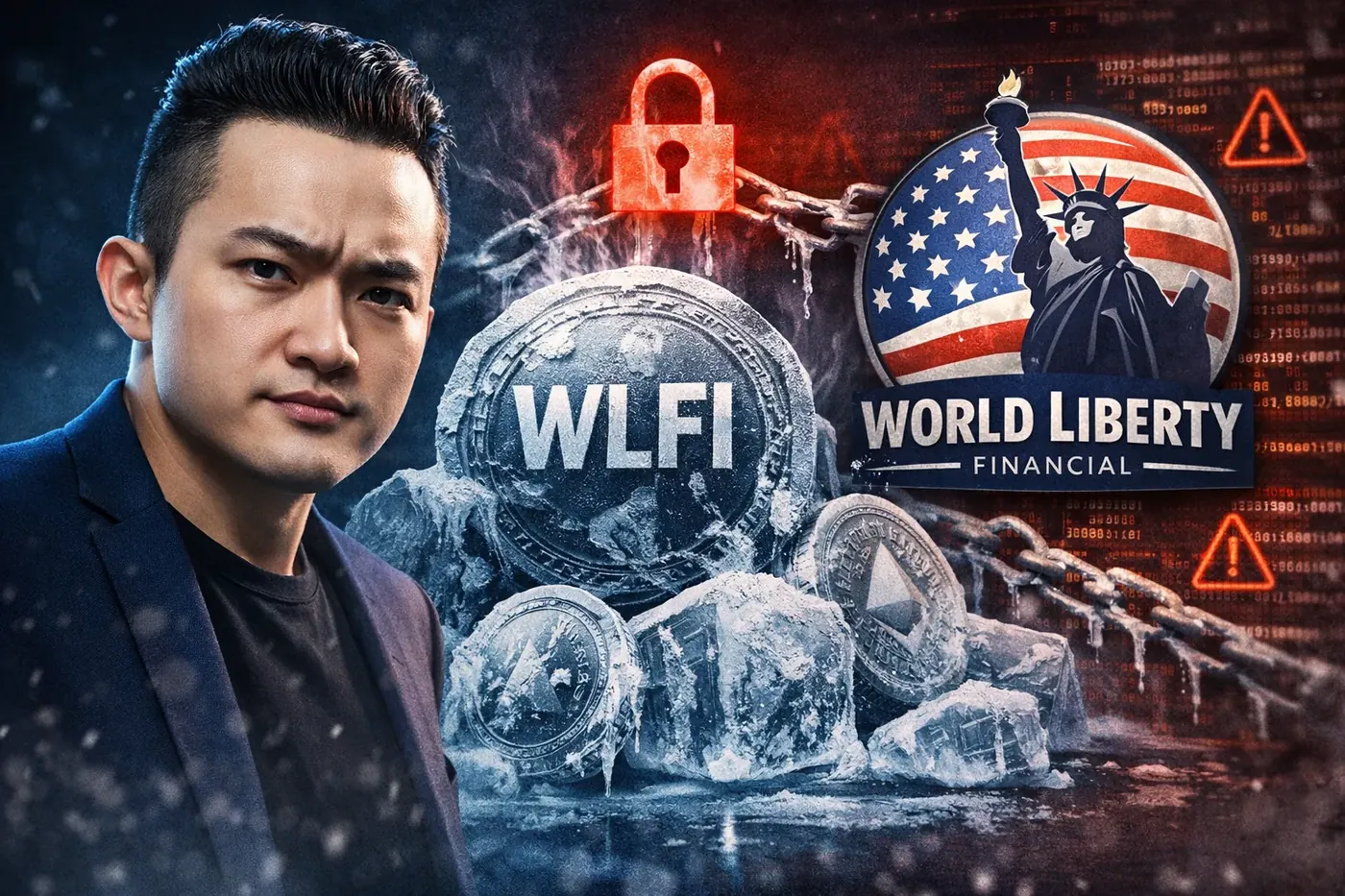
Justin Sun claims World Liberty can freeze WLFI tokens, sparking a debate on crypto decentralization and control.
A fresh controversy has erupted around World Liberty Financial after crypto entrepreneur Justin Sun accused the project of having the ability to freeze user token holdings. The claims have pushed WLFI back into the spotlight and reignited a bigger debate across the crypto market about decentralization, governance, and who really controls tokenized ecosystems once the marketing fades and investor money is locked in.
Sun, who has invested at least $75 million in the project and has served as an adviser, alleged that World Liberty secretly installed a function that could blacklist wallets and restrict holdings of the WLFI token. He made the accusation publicly and said the feature could allow the team to freeze or even seize user assets. World Liberty rejected the allegation and challenged Sun to pursue the matter in court. Reuters reported that Sun did not provide evidence to support the accusation in his public statements.
The Stakes: Why the WLFI Dispute is Critical
High Profile and Market Concerns
The dispute matters because WLFI is not just another small token project fighting on social media. World Liberty has drawn attention because it was co-founded by President Donald Trump and his sons, and because the venture has generated hundreds of millions of dollars in sales while still operating under intense scrutiny from investors and the wider crypto market. Its decentralized finance application has also not yet launched, which adds to concerns about transparency, delivery, and the true utility of the token.
Control Over Token Freezing
At the center of the current storm is a simple question that crypto investors care deeply about: can a token issuer freeze holdings whenever it wants? In traditional finance, account freezes are familiar, even if unpopular. In crypto, projects often market themselves around openness, permissionless access, and user control. If a token contract or governance structure contains mechanisms that allow insiders to restrict wallets, that creates a major credibility problem, especially for investors who expect decentralization to be more than a slogan. This is one reason the WLFI controversy is gaining traction well beyond Sun's own audience. The issue touches one of the most sensitive fault lines in digital assets, which is the gap between decentralization in branding and control in practice.
World Liberty’s Defense
World Liberty has argued that it has acted in response to high-risk activity and that its disclosures already state that wallets tied to illegal conduct can be frozen. That distinction is important. Many projects include compliance tools, especially when they aim to operate in more regulated environments. The problem for critics is not just whether such powers exist, but how broadly they can be used, who controls them, how transparent the rules are, and whether investors fully understood those risks when buying WLFI.
Investor Frustration and Risks
The controversy has also intensified because it comes at a time when early investors are already frustrated with token restrictions. A separate Reuters report said World Liberty proposed new terms that would prevent early investors from trading 80% of their tokens until 2030, after a two-year freeze followed by a gradual release. That plan has increased tension around the project and raised more questions about fairness, insider control, and the balance of power between retail holders and major stakeholders.
A Broader Market Lesson
The Impact on Investor Trust
For market participants searching terms like Justin Sun World Liberty, WLFI token freeze, World Liberty Financial controversy, or can WLFI freeze wallets, the answer is not yet a courtroom ruling or a technical final verdict. What exists right now is a very public accusation, a firm denial, and a wider governance dispute that is making investors look much more closely at the rights attached to the token they hold. That alone is enough to keep the story relevant, especially in a market where perception can move sentiment faster than product updates.
Evaluating the Risks
From a market perspective, this episode is a reminder that token investors should look beyond hype, celebrity backing, and political connections. They need to understand vesting schedules, blacklist permissions, multisig control, governance rights, and the legal language around restricted wallets. If a project can pause transfers or limit access under certain conditions, that risk should be front and center in any investment thesis. In the case of WLFI, the latest conflict has made those questions impossible to ignore.
Whether Justin Sun’s allegations are eventually proven or not, the damage to confidence is already real. Crypto investors are once again being forced to ask who truly controls a token after launch, what powers remain with insiders, and how much trust should be placed in projects that promise decentralization while preserving centralized levers behind the scenes. That is why the WLFI controversy matters, and why this story is likely to remain one of the most discussed governance flashpoints in crypto right now.
How to Bridge Crypto Between Chains: Complete Cross-Chain Tutorial 2026 How to Use 1inch: Complete DEX Aggregator Swap Tutorial (2026) How to Use OKX Web3 Wallet: Multi-Chain DeFi Hub Guide (2026)