Trust Wallet vs MetaMask: Which Is Better? (2026)
— By Tony Rabbit in Tutorials
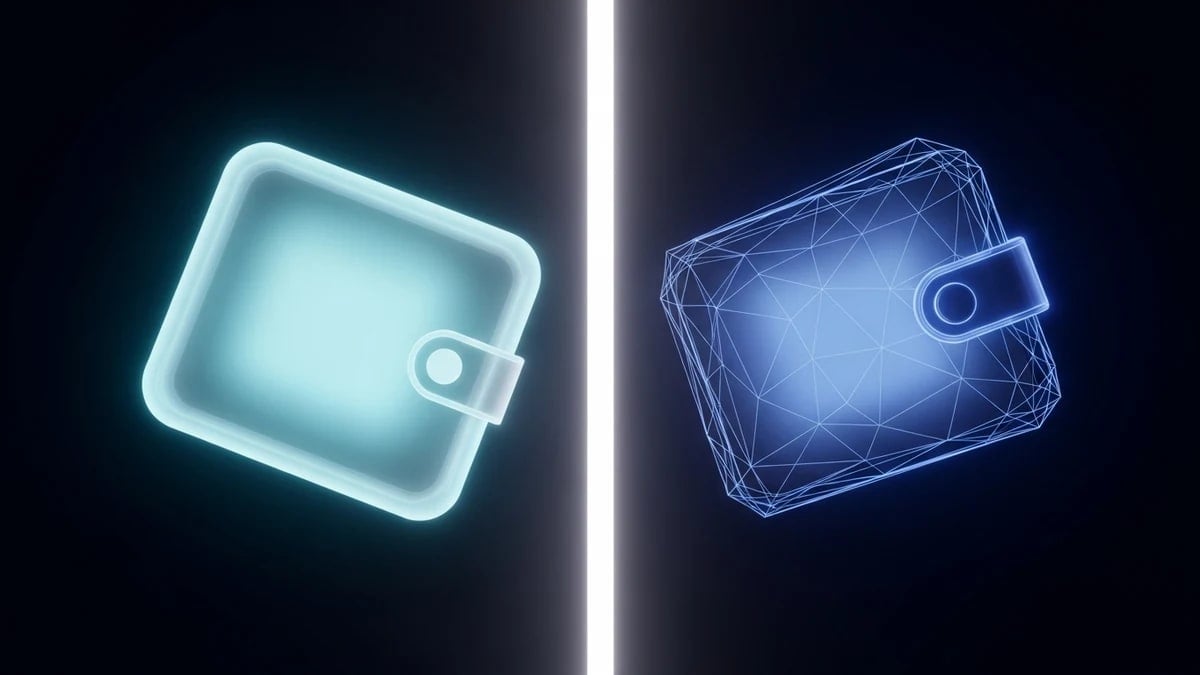
Comparing Trust Wallet vs MetaMask: Discover which non-custodial crypto wallet is best for your needs, from EVM dApps to multi-chain mobile use.
When diving into the world of decentralized finance (DeFi) and cryptocurrencies, choosing the right wallet is paramount. The debate of Trust Wallet vs MetaMask often arises for beginners and seasoned users alike. Both are popular non-custodial wallets, meaning you retain full control over your private keys and seed phrase. However, they cater to slightly different user profiles and use cases. MetaMask is widely recognized as the go-to for Ethereum and EVM-compatible chains, excelling as a browser extension for desktop DeFi. Trust Wallet, on the other hand, is a mobile-first, multi-chain powerhouse, supporting a much broader array of blockchains beyond just EVM, including Bitcoin and Solana. Your choice will largely depend on your primary activities: heavy EVM and desktop DeFi use favors MetaMask, while multi-chain mobile use points towards Trust Wallet.
At-a-Glance Comparison: Trust Wallet vs MetaMask
Before we dive deep into the specifics, here's a quick side-by-side look at the key features and differences between Trust Wallet and MetaMask.
Chains Supported: EVM vs. Multi-Chain Dominance
One of the most significant distinctions between Trust Wallet and MetaMask lies in their blockchain support. This difference often dictates which wallet is more suitable for your specific crypto activities.
MetaMask: The EVM Standard
MetaMask is the undisputed standard for Ethereum and all EVM-compatible chains. This includes major networks like Binance Smart Chain (BSC), Polygon, Avalanche, Arbitrum, Optimism, and many others. If your primary interest is interacting with dApps and DeFi protocols built on Ethereum or its layer-2 solutions and sidechains, MetaMask is your ideal companion.
Its strength in the EVM ecosystem means it seamlessly connects to the vast majority of decentralized applications. This focus allows MetaMask to provide a highly optimized and integrated experience for these specific blockchains.
Trust Wallet: The Multi-Chain Powerhouse
Trust Wallet takes a broader approach, offering extensive multi-chain support. While it fully supports EVM chains like Ethereum, BSC, and Polygon, its true advantage lies in its compatibility with a very wide range of non-EVM blockchains. This includes major networks such as Bitcoin, Solana, Tron, Ripple, Cardano, and many more.
If you hold a diverse portfolio across various blockchain ecosystems, Trust Wallet provides a single, convenient interface to manage all your assets. This makes it incredibly versatile for users who explore beyond the EVM landscape.
Platform Availability: Desktop DeFi vs. Mobile-First Convenience
The platforms on which these wallets are primarily used also present a clear divide in their user experience and target audience.
MetaMask: Browser Extension for Desktop DeFi
MetaMask shines as a browser extension, making it the preferred choice for desktop users engaging in DeFi. It integrates directly with web-based dApps, allowing for seamless transaction signing and interaction from your computer. This desktop-first approach has made it synonymous with the DeFi experience on larger screens.
While MetaMask also offers a mobile app, its browser extension remains its most iconic and widely used form. This makes it incredibly powerful for those who spend significant time navigating DeFi protocols on their laptops or desktops.
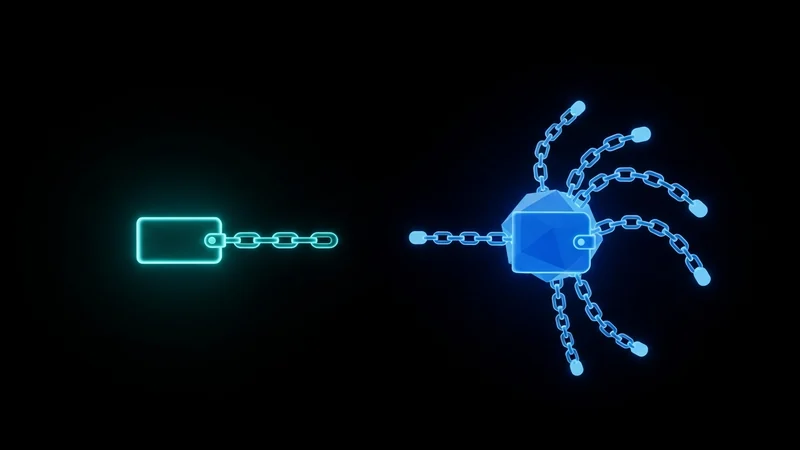
Trust Wallet: Mobile-First for On-the-Go Access
Trust Wallet is designed as a mobile-first wallet, offering a highly intuitive and feature-rich experience on iOS and Android devices. Its native mobile app provides a smooth interface for managing assets, interacting with dApps via its built-in browser, and performing swaps on the go.
For users who primarily manage their crypto assets and interact with decentralized applications from their smartphones, Trust Wallet offers unparalleled convenience and a polished mobile experience. It's perfect for quick checks, transactions, and mobile dapp exploration.
DApp Compatibility: The DeFi Gateway
Connecting to decentralized applications (dApps) is a core function of any modern crypto wallet. Here, both wallets offer robust capabilities, but with slightly different strengths.
MetaMask: Widest EVM DApp Support
MetaMask boasts the widest dapp and DeFi compatibility within the Ethereum and EVM ecosystem. Almost every dApp built on these chains lists MetaMask as a primary connection option. Its seamless integration with web browsers makes it incredibly easy to connect to platforms like Uniswap, OpenSea, Aave, and countless others.
This widespread support means that if you're heavily involved in EVM-based DeFi, NFTs, or GameFi, MetaMask will provide the most friction-free experience for connecting to your favorite applications.
Trust Wallet: Integrated DApp Browser
Trust Wallet features a built-in dapp browser within its mobile application. This allows users to discover and interact with decentralized applications directly from their phone. While it supports a vast number of dApps across various chains, MetaMask generally has a slight edge in terms of universal compatibility with the latest and most niche EVM dApps, especially on desktop.
However, for mobile users, Trust Wallet's integrated browser offers a convenient and secure way to explore the dapp ecosystem without leaving the app.
Built-in Features: Swaps, Staking, and More
Both wallets go beyond simple storage, offering integrated features to enhance the user experience.
MetaMask Features
MetaMask includes a convenient built-in swap feature, allowing users to exchange tokens directly within the wallet interface. This aggregates liquidity from various decentralized exchanges, aiming to find the best rates. It also supports NFT display and basic portfolio tracking.
Trust Wallet Features
Trust Wallet offers a more comprehensive suite of built-in features, leveraging its multi-chain capabilities. It includes built-in swaps, similar to MetaMask, but also prominently features staking options for various proof-of-stake cryptocurrencies. Its dapp browser is a core component, and it provides excellent support for displaying NFTs across multiple chains.
The ability to stake directly from the wallet for passive income, combined with its broad asset support, makes Trust Wallet a powerful all-in-one solution for mobile users.
Fees: Network Gas vs. Swap Charges
Understanding the fee structure is crucial for managing your crypto transactions efficiently.
Both Trust Wallet and MetaMask are free to download and use. You do not pay a fee to the wallet provider for simply holding assets or sending transactions. However, all blockchain transactions incur network gas fees, which are paid to the miners or validators of the respective blockchain. These fees fluctuate based on network congestion and are unavoidable for on-chain activity.
Additionally, both wallets include a small built-in swap fee when you utilize their integrated exchange feature. This fee typically goes towards maintaining the service and finding the best swap rates for you. Always review the estimated fees before confirming any transaction or swap.
Security: Your Keys, Your Crypto
Both Trust Wallet and MetaMask are non-custodial wallets, which is a critical security advantage. This means you, and only you, control your private keys and seed phrase. Neither Binance (Trust Wallet's owner) nor ConsenSys (MetaMask's owner) can access your funds.
The security of your assets ultimately rests on how well you protect your seed phrase (also known as a recovery phrase or mnemonic phrase). If someone gains access to your seed phrase, they gain full control of your wallet and all its contents.
Key security practices for both wallets:
- Write down your seed phrase. Store it offline in multiple secure, discreet locations. Do not store it digitally.
- Use strong, unique passwords. For your wallet and any associated accounts.
- Enable biometric security. If available on your mobile device (fingerprint, face ID).
- Be cautious with dApp connections. Only connect to trusted dApps and revoke permissions for inactive or suspicious ones.
- Keep your software updated. Ensure you're running the latest version of the wallet app or browser extension.
Ease of Use: UI/UX for Beginners and Pros
Both wallets strive for user-friendliness, but their primary interfaces cater to slightly different workflows.
MetaMask User Experience
MetaMask's browser extension is incredibly intuitive for desktop users. Its pop-up interface provides quick access to balances, transaction history, and dApp connections. Managing multiple EVM networks is straightforward, and the process of adding custom tokens is well-documented.
For those familiar with browser extensions and web-based applications, MetaMask offers a very smooth and efficient experience for navigating the EVM ecosystem.
Trust Wallet User Experience
Trust Wallet's mobile app is renowned for its clean, modern, and user-friendly interface. Its design prioritizes ease of navigation for mobile users, with clear sections for tokens, NFTs, the dapp browser, and settings. The multi-chain support is well-integrated, allowing users to easily switch between different blockchain assets.
Beginners often find Trust Wallet's mobile-first approach and comprehensive features very accessible, making it an excellent entry point into crypto.
Who Should Use Which Wallet?
The ultimate decision of which wallet to use comes down to your individual needs and how you primarily interact with the crypto space.
Choose MetaMask if:
- You primarily interact with Ethereum and EVM-compatible chains (BSC, Polygon, Arbitrum, etc.).
- You spend most of your time on desktop, engaging with DeFi protocols, NFTs, or GameFi via a web browser.
- You need the widest possible compatibility with EVM-based decentralized applications.
- You are comfortable managing browser extensions and connecting them to various websites.
Choose Trust Wallet if:
- You hold a diverse portfolio across many different blockchains, including non-EVM ones like Bitcoin and Solana.
- You prefer to manage your crypto assets and interact with dApps primarily from your mobile device.
- You are looking for an all-in-one mobile solution with built-in staking and a comprehensive dapp browser.
- You value a clean, intuitive mobile user interface that supports a wide array of assets.
Can You Use Both?
Absolutely! Many experienced crypto users utilize both Trust Wallet and MetaMask. There's no rule saying you can only have one wallet. In fact, using both can be beneficial:
- You can use MetaMask for your primary desktop DeFi interactions on EVM chains.
- You can use Trust Wallet for managing your diverse multi-chain portfolio on the go and for staking non-EVM assets.
- You can even import your MetaMask seed phrase into Trust Wallet (and vice-versa for EVM chains), allowing you to access the same funds from either interface. However, it's often recommended to keep separate wallets for different purposes or security layers.
Final Verdict: Trust Wallet vs MetaMask
Both Trust Wallet and MetaMask are excellent, secure, non-custodial wallets that serve the crypto community well. There isn't a single 'better' option; rather, it's about finding the best fit for your specific needs.
MetaMask is the undisputed champion for desktop-based Ethereum and EVM DeFi interactions, offering unparalleled dApp compatibility.
Trust Wallet excels as a mobile-first, multi-chain wallet, providing broad asset support and integrated features for users who prefer managing their crypto on the go.
Consider your primary activities, the blockchains you interact with most, and your preferred device for managing crypto. Many users find value in having both wallets to cover all their bases in the dynamic world of decentralized finance. Remember, this is not financial advice, and always conduct your own research.
Frequently Asked Questions
What is Trust Wallet?
Trust Wallet is a mobile cryptocurrency wallet that supports a wide range of cryptocurrencies and digital assets.
What is MetaMask?
MetaMask is a browser extension that functions as a cryptocurrency wallet and gateway to decentralized applications.
Which is more secure?
Both Trust Wallet and MetaMask are considered secure, employing industry standard encryption and security practices.
Which supports more cryptocurrencies?
Trust Wallet generally supports a broader range of cryptocurrencies and tokens compared to MetaMask.
Which is better for beginners?
Trust Wallet often has a more user friendly interface, making it slightly easier for beginners.
Can I use both?
Yes, many users utilize both Trust Wallet and MetaMask for different purposes or to manage different assets.
Which is better for NFTs?
Both wallets support NFTs, but MetaMask is often preferred for its seamless integration with many NFT marketplaces.
Do they have fees?
Neither wallet charges direct fees for storing assets, but network transaction fees apply when sending or swapping cryptocurrencies.