What Is a Bull Trap in Crypto? How to Spot and Avoid It (2026)
— By Tony Rabbit in Tutorials

Learn what a bull trap crypto is, how to spot its warning signs like weak volume or RSI divergence, and strategies to avoid getting caught in this false br
In the fast-paced world of cryptocurrency trading, understanding market psychology and technical patterns is paramount to long-term success. One particularly deceptive pattern that can catch even experienced traders off guard is the bull trap crypto. As we look ahead to 2026 and beyond, mastering the art of identifying and avoiding these false breakouts will remain a crucial skill for navigating volatile markets.
This guide will equip you with the knowledge to spot a bull trap, understand its underlying mechanics, and implement robust strategies to protect your capital. By recognizing the warning signs and employing disciplined trading practices, you can turn potential losses into missed opportunities, keeping your portfolio safe.

What Exactly Is a Bull Trap in Crypto?
At its core, a bull trap is a deceptive market phenomenon where the price of an asset, after a period of decline or consolidation, appears to break above a significant resistance level. This breakout lures in "breakout buyers" - traders who anticipate further upward movement and enter long positions.
However, the crucial element of a bull trap is that this breakout is false. The price quickly reverses, falling back below the resistance level it supposedly broke, effectively "trapping" the buyers who entered long. These trapped traders are then forced to either hold a losing position or exit at a loss as the price continues its downward trajectory.
Think of it as a fishing net. The bait (the false breakout) attracts the fish (the buyers), but once they're in, the net closes, and escape becomes difficult. Understanding this mechanism is the first step toward avoiding becoming the catch.
Key Warning Signs of a Bull Trap Crypto
Spotting a bull trap isn't always easy in real-time, but there are several reliable indicators that can help you differentiate a genuine breakout from a deceptive one. Paying close attention to these signals can significantly improve your trading accuracy.
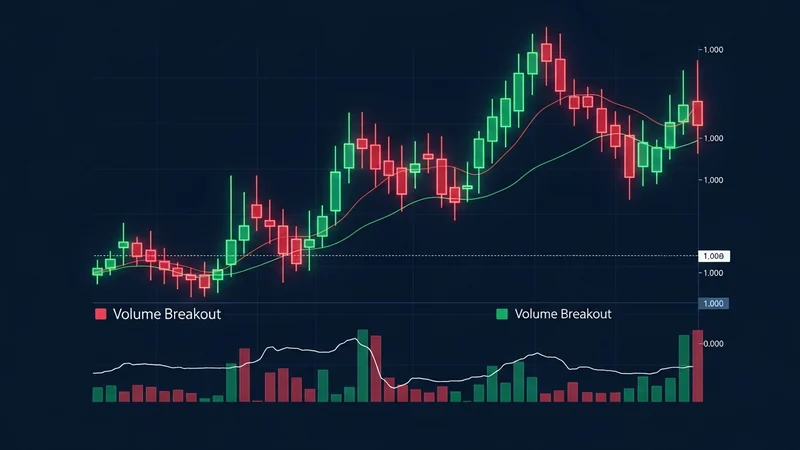
- Breakout on Weak or Below-Average Volume: This is perhaps the most critical warning sign. A true, sustainable breakout above resistance should be accompanied by strong, increasing volume, indicating genuine buying interest and conviction. If the price pushes above resistance on low or average volume, it suggests a lack of institutional support and often precedes a reversal. You can track volume easily on platforms like DEXTools.
- Bearish RSI Divergence: The Relative Strength Index (RSI) is a momentum oscillator. If the price makes a higher high, pushing above resistance, but the RSI makes a lower high (or fails to make a new high), this is a bearish divergence. It signals that the underlying buying momentum is weakening, even as the price appears strong.
- Quick Close Back Inside the Prior Range: After the initial breakout, if the price quickly reverses and closes back below the resistance level (which now acts as new support in a genuine breakout scenario), it's a strong indication of a bull trap. The faster the reversal, the more suspicious the breakout.
- Overheated Sentiment in a Broader Downtrend: Bull traps are particularly common and effective during broader downtrends or bear markets. In such environments, any significant price bounce can generate excessive optimism and FOMO (Fear Of Missing Out), leading traders to jump into what appears to be a reversal, only to be caught in the continuing downtrend.
Strategies to Avoid Getting Caught in a Bull Trap
Avoiding a bull trap requires a combination of patience, discipline, and a multi-faceted approach to technical analysis. Here are actionable strategies to protect yourself:
- Wait for Confirmed Close and Retest: Instead of jumping in immediately on a breakout, wait for the price to not only close convincingly above the resistance level but also ideally retest that broken level as new support. A successful retest, where the price bounces off the former resistance, provides much stronger confirmation of a legitimate breakout.
- Place Stops Beyond Obvious Trap Zones: If you do decide to enter a long position on a breakout, place your stop-loss order strategically. Avoid placing it just below the broken resistance, as this is a common area for "stop hunts" where market makers or large players intentionally push the price down briefly to trigger stop losses before resuming the trend. Place your stop a bit deeper, perhaps below a recent swing low or a stronger support level.
- Size Down on Uncertain Breakouts: If a breakout has some, but not all, of the confirming signals (e.g., decent volume but no retest yet), consider reducing your position size. Trading with smaller amounts on less certain setups helps manage risk and limits potential losses if it turns out to be a trap.
- Confirm with Volume: Always, always, confirm breakouts with volume. A breakout without significant volume is like a car without fuel - it might roll a bit, but it won't go far. Use DEXTools charts to monitor real-time volume alongside price action.
Bull Trap vs. Bear Trap: Understanding the Difference
While this article focuses on the bull trap crypto, it's important to understand its inverse: the bear trap. Both are forms of false breakouts, but they operate in opposite directions.
A bear trap occurs when the price of an asset drops below a key support level, prompting short sellers to enter positions expecting further declines. However, the price then quickly reverses back above support, trapping the short sellers. Recognizing both patterns is crucial for comprehensive market analysis.
The Psychology Behind Bull Traps
Bull traps thrive on human emotions, particularly greed and fear. When a price surges above resistance, it triggers a fear of missing out (FOMO) among sidelined traders, prompting them to chase the upward momentum. This emotional response often overrides rational analysis of volume or other confirming indicators.
Furthermore, these traps are often exacerbated by algorithms and larger players who understand these psychological tendencies. They might intentionally push the price just above a key level to trigger stop losses of short positions and lure in breakout buyers, only to reverse the price and profit from the ensuing panic selling.
Developing emotional discipline is as important as technical analysis. Stick to your trading plan, wait for confirmation, and do not let the excitement of a potential breakout dictate your decisions. Your ability to remain objective will be your strongest defense against these market manipulations.
Conclusion: Trade Smarter, Not Harder
As the crypto market continues to evolve, the prevalence of sophisticated trading strategies and the inherent volatility of digital assets mean that patterns like the bull trap will remain a constant challenge. However, by arming yourself with knowledge and disciplined execution, you can significantly reduce your vulnerability.
Remember the core principles: always confirm breakouts with strong volume, look for retests of broken levels, pay attention to momentum indicators like RSI for divergences, and manage your risk with appropriate stop losses and position sizing. By integrating these practices into your trading routine, you'll be well-prepared to navigate the complexities of the market and avoid the costly pitfalls of a bull trap crypto, securing your position for success in 2026 and beyond.
Frequently Asked Questions
What is a bull trap in crypto?
A bull trap in crypto is a false breakout where the price of an asset pushes above a key resistance level, lures in buyers expecting further upside, but then quickly reverses back below that level, trapping the long positions.
What are the main warning signs of a bull trap?
Key warning signs include a breakout occurring on weak or below-average volume, bearish RSI divergence (price makes a higher high while RSI makes a lower high), a quick close back inside the prior trading range, and overheated sentiment within a broader downtrend.
How can I avoid getting caught in a bull trap?
To avoid bull traps, wait for a confirmed close above resistance and ideally a retest of that level as support, place stop-loss orders beyond obvious trap zones, size down on uncertain breakouts, and always confirm breakouts with strong volume.
What is the opposite of a bull trap?
The opposite of a bull trap is a bear trap. A bear trap is a false breakdown where the price drops below a key support level, lures in short sellers, but then quickly reverses back above support, trapping the short positions.
Why is volume important for confirming a breakout?
Volume is crucial because a genuine, sustainable breakout should be backed by strong buying interest, reflected in high and increasing volume. A breakout on weak volume suggests a lack of conviction and is often a sign that the move is not sustainable and could be a bull trap.