What Is a Qualified Custodian in Crypto? Institutional Custody (2026)
— By Tony Rabbit in Tutorials

Learn about qualified custodians in crypto, regulated financial institutions holding client assets under the US Investment Advisers Act of 1940.
As the crypto landscape matures, the focus on institutional-grade infrastructure becomes increasingly vital. For many investors, particularly those managing significant capital, the concept of a qualified custodian is not just a preference, but a regulatory necessity. Understanding what a qualified custodian is, and why they are crucial in the evolving world of digital assets, is key to navigating this space with confidence.
This guide will delve into the specifics of qualified custodians in crypto, outlining their role, the protections they offer, and how they differ from other forms of asset management. We will explore the regulatory framework that underpins their operations and why their presence is essential for broader institutional adoption of cryptocurrencies.

What is a Qualified Custodian in Crypto?
At its core, a qualified custodian is a regulated financial institution that meets specific standards to hold client assets. In the context of traditional finance, this concept has existed for decades, providing a layer of security and oversight for investments like stocks and bonds. The emergence of digital assets has necessitated the adaptation of this framework to cryptocurrency, ensuring that the same high standards of asset protection can be applied.
Under the US Investment Advisers Act of 1940, registered investment advisers generally must keep client assets with a qualified custodian. This requirement ensures that client funds and digital assets are held with an overseen institution, rather than directly by the adviser, minimizing potential conflicts of interest and enhancing investor protection. It's a critical component for bringing traditional financial best practices into the digital asset realm.
The Regulatory Mandate and Its Implications
The mandate for investment advisers to use qualified custodians underscores a fundamental principle: client assets should be held by a third party with a fiduciary duty and robust regulatory oversight. This separation of duties is a cornerstone of investor protection. For crypto, this means that an institution managing client portfolios of tokens, perhaps even tracking a newly launched token's price on DEXTools, would need to ensure those tokens are securely held by a qualified custodian.
Eligible entities that can act as qualified custodians include national banks, broker dealers, and certain state chartered trust companies. These institutions are subject to various regulatory bodies and frameworks, ensuring they maintain specific capital requirements, operational standards, and compliance protocols. This rigorous oversight is what distinguishes a qualified custodian from other types of custodial services or self-custody solutions.
Key Protections Offered by Qualified Custodians
The primary purpose of a qualified custodian is to safeguard client assets. This goes beyond simply holding digital tokens; it involves implementing a comprehensive suite of protections designed to mitigate various risks. These protections are critical for institutions and high-net-worth individuals who cannot afford the risks associated with less secure custodial arrangements.
One of the most significant protections is the requirement for holding assets in segregated accounts. This means that client property is kept separate from the custodian's own operational funds and assets. Crucially, these segregated assets stay the client property and stay off the custodian balance sheet if the custodian fails. This structural separation ensures that even in the event of the custodian's bankruptcy or financial distress, client assets are protected from creditors and can be returned to their rightful owners.
- Segregated Accounts: Client assets are held separately from the custodian's own assets, ensuring they remain client property even if the custodian faces financial difficulties.
- Insured Cold Storage: Many qualified custodians utilize cold storage solutions, where digital assets are held offline, significantly reducing the risk of cyber theft. This storage is often accompanied by insurance policies to further protect against loss.
- Multi-Signature Authorization: Transactions and withdrawals typically require multiple independent approvals, often involving different parties or departments within the custodian, adding a critical layer of security.
- Withdrawal Whitelists: Custodians often implement whitelists, restricting withdrawals to pre-approved addresses, thereby preventing unauthorized transfers to unknown destinations.
- Approval Thresholds: Large transactions or significant movements of assets may require multiple levels of approval, sometimes involving senior management or external auditors, based on predefined thresholds.
These sophisticated security measures are a stark contrast to the risks inherent in holding assets on an unregulated exchange or in a personal hot wallet. The combination of regulatory oversight and advanced technological security protocols provides a level of assurance that is paramount for institutional adoption.
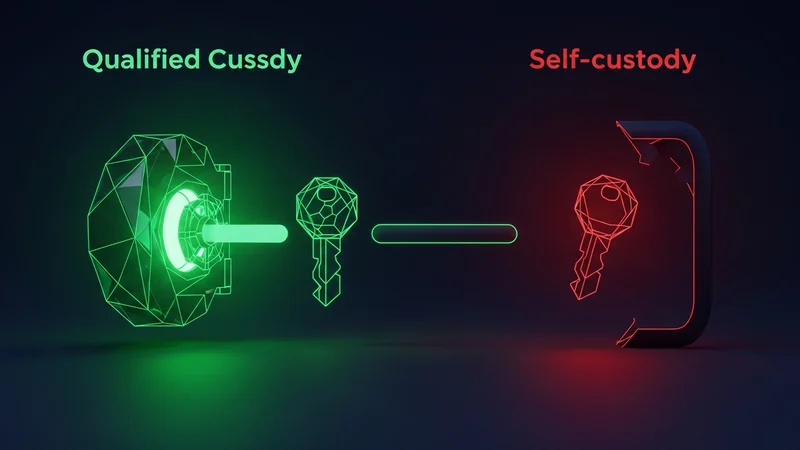
How Qualified Custody Differs from Self-Custody
The distinction between qualified custody and self-custody is fundamental to understanding the varying approaches to managing digital assets. While both have their merits, they cater to different needs, risk appetites, and regulatory requirements.
With self-custody, the user holds their own keys, meaning they have direct and absolute control over their digital assets. This embodies the core ethos of decentralization and financial sovereignty. However, it also places the entire burden of security, backup, and recovery squarely on the individual. Loss of keys, accidental deletion, or compromise due to poor security practices can lead to irreversible loss of funds.
In contrast, with qualified custody, the custodian controls the keys and signs transactions, while the client instructs. This delegation of key management to a regulated entity significantly reduces the operational burden and security risks for the client, albeit at the cost of direct control. For institutions, this trade-off is often necessary to meet regulatory obligations and manage large portfolios responsibly.
The Future of Institutional Custody in Crypto (2026 and Beyond)
As the crypto market continues to mature and integrate further with traditional finance, the role of qualified custodians will only grow in importance. By 2026, we can expect to see an even more robust and diverse ecosystem of qualified custodians, offering specialized services tailored to various digital asset classes and institutional needs.
The increasing clarity in regulatory frameworks across different jurisdictions will likely drive more traditional financial institutions to enter the qualified custody space, bringing with them decades of experience in asset management and risk mitigation. This influx of established players will further professionalize the industry, raising the bar for security, compliance, and operational excellence.
- Expanded Asset Support: Qualified custodians will likely support a broader range of digital assets, including more complex DeFi protocols, NFTs, and tokenized real-world assets, beyond just foundational cryptocurrencies.
- Enhanced Interoperability: We can anticipate greater interoperability between custodial solutions and other institutional platforms, such as trading desks, portfolio management systems, and reporting tools.
- Global Regulatory Harmonization: While challenging, there will be ongoing efforts to harmonize regulatory standards for digital asset custody across international borders, facilitating cross-border institutional investment.
- Technological Advancements: Continuous innovation in cryptography, hardware security modules (HSMs), and distributed ledger technology will further enhance the security and efficiency of custodial services.
- Increased Demand for Transparency: As institutions become more comfortable with crypto, they will demand even greater transparency and auditability from their custodians, driving further innovation in reporting and proof of reserves.
The evolution of qualified custodians is a testament to the crypto industry's journey towards mainstream adoption. By providing the necessary infrastructure for secure, compliant, and professionally managed digital asset holdings, they are paving the way for a future where crypto is an integral part of global financial portfolios, accessible to a wider array of institutional investors.
Conclusion
Qualified custodians are an indispensable component of the maturing crypto ecosystem, particularly for institutional investors and registered investment advisers. They provide a critical layer of regulatory compliance, robust security measures, and professional asset management that is essential for safeguarding significant digital asset holdings. By understanding their role, the protections they offer, and how they differ from self-custody, participants in the crypto space can make informed decisions about how to best manage their digital assets.
As the industry continues to grow and evolve, the importance of qualified custodians will only intensify, ensuring that the promise of digital assets can be realized within a secure and regulated framework. Their continued development is key to fostering trust and facilitating the broader integration of cryptocurrencies into the global financial landscape.
Frequently Asked Questions
What is the primary role of a qualified custodian in crypto?
The primary role of a qualified custodian in crypto is to act as a regulated financial institution that securely holds client digital assets, ensuring compliance with regulations like the US Investment Advisers Act of 1940 and providing robust protections against loss or theft.
How does a qualified custodian protect client assets?
Qualified custodians protect client assets through various measures including holding assets in segregated accounts (off their balance sheet), utilizing insured cold storage, implementing multi-signature authorization for transactions, employing withdrawal whitelists, and setting approval thresholds for asset movements.
What is the main difference between qualified custody and self-custody?
The main difference is key control and regulatory oversight. In qualified custody, a regulated institution controls the keys and signs transactions based on client instructions. In self-custody, the user holds their own keys and is solely responsible for all security and operational aspects.
Which types of institutions can be qualified custodians?
Eligible entities that can act as qualified custodians include national banks, broker dealers, and certain state chartered trust companies, all of which are subject to specific regulatory oversight and standards.
Why are qualified custodians important for institutional crypto adoption?
Qualified custodians are crucial for institutional crypto adoption because they provide the necessary regulatory compliance, security infrastructure, and professional asset management that institutions require to invest in digital assets responsibly and within established financial frameworks.