What Is Buyback and Burn in Crypto? Tokenomics Explained (2026)
— By Whatsertrade in Tutorials
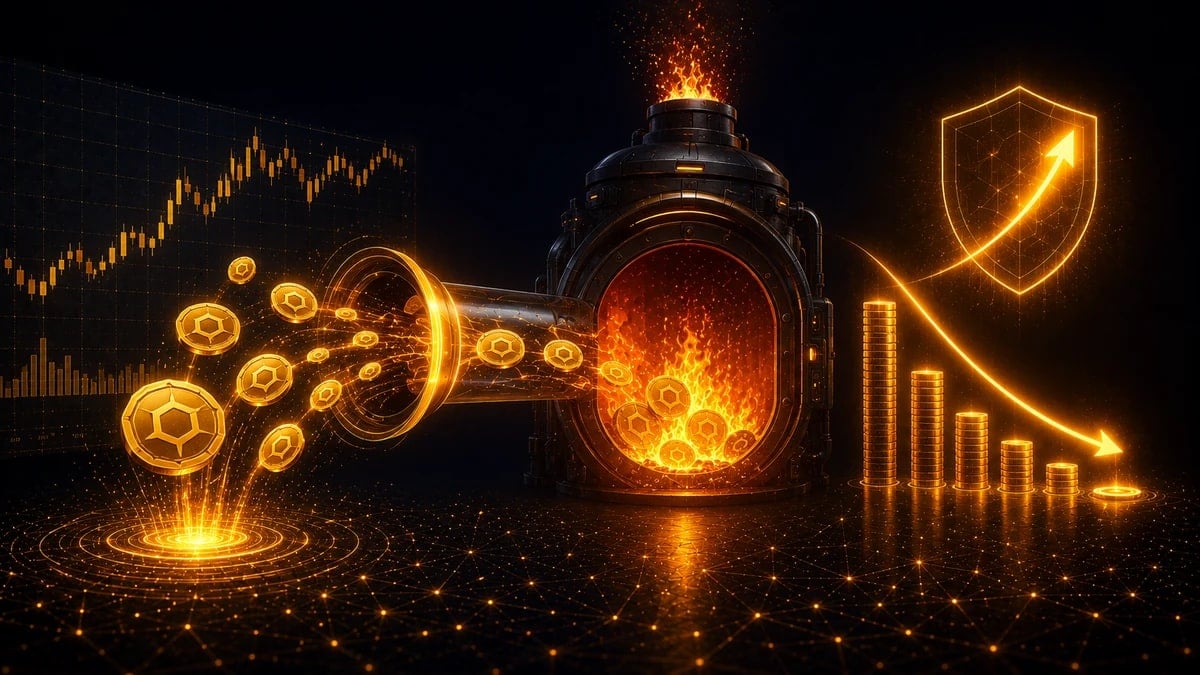
Learn about buyback and burn in crypto: how projects reduce token supply, create scarcity, and the impact on tokenomics. Essential guide for 2026.
In the fast-evolving world of cryptocurrency, understanding the mechanisms that govern a token's value and supply is crucial for any investor or enthusiast. One such powerful concept is 'buyback and burn,' a strategy employed by many projects to manage their tokenomics and potentially enhance the token's long-term value.
This evergreen guide, updated for 2026, will demystify buyback and burn, explaining what it is, how it works, and its significance within the broader crypto ecosystem. Whether you're new to crypto or a seasoned trader, grasping this concept is fundamental to evaluating a project's potential.
What is Buyback and Burn in Crypto?
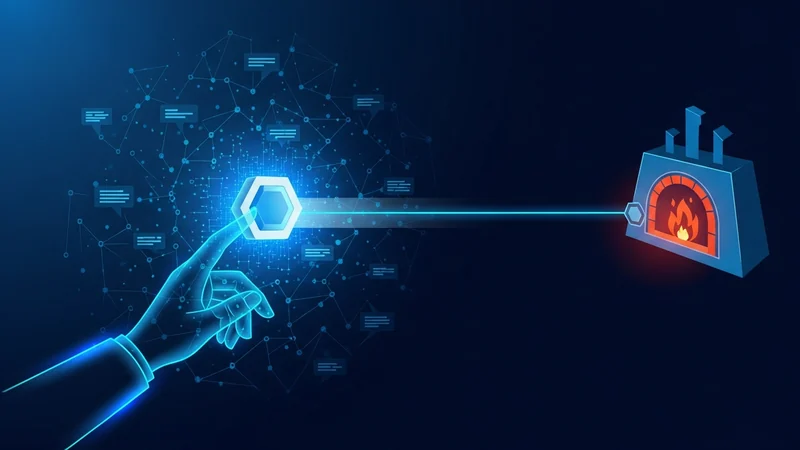
At its core, buyback and burn is a tokenomics mechanism designed to reduce the circulating supply of a cryptocurrency token. It involves two distinct, but interconnected, actions: the 'buyback' and the 'burn'.
During the 'buyback' phase, a project uses a portion of its profits, revenue, or treasury reserves to purchase its own native token directly from the open market. This is similar to how traditional companies might buy back their own stock. By doing this, the project effectively becomes a buyer of its own token, adding demand to the market.
The 'burn' phase immediately follows. Once the tokens are bought back, they are sent to a 'burn address.' A burn address is a specially designated wallet address that has no associated private key. This means that once tokens are sent to it, they can never be accessed or spent again by anyone. They are permanently removed from circulation, effectively reducing the total supply.
The Logic Behind Scarcity and Value
The primary goal of buyback and burn is to create scarcity. In economics, when the supply of a good decreases while demand remains constant or increases, its price tends to rise. By systematically reducing the total number of tokens available, a project aims to make each remaining token more valuable, assuming there is sustained demand for the token.
This mechanism can signal a project's long-term commitment and confidence in its own ecosystem. It demonstrates a proactive approach to managing token supply and potentially rewarding token holders by fostering an environment of deflationary pressure.
How Buyback and Burn Mechanisms Work
Buyback and burn programs can be implemented in various ways, depending on the project's design and governance structure. They can be manual or automatic, offering different levels of transparency and predictability.
- Manual Buyback and Burn: In a manual system, the decision to initiate a buyback and burn is typically made by the project's core team or through a decentralized autonomous organization (DAO) vote. This allows for flexibility and strategic timing, often based on market conditions, project milestones, or revenue targets.
- Automatic Buyback and Burn: Automatic systems are governed by smart contracts. These contracts are programmed to trigger a buyback and burn event automatically when certain conditions are met. This could be at predefined intervals (e.g., quarterly, monthly) or when specific revenue thresholds are reached by the protocol. This method offers transparency and removes human discretion, making the process predictable and trustless.
Regardless of the method, the process is always public and irreversible on the blockchain. Anyone can verify the transactions, seeing the tokens being bought from the market and then sent to the burn address. This transparency is a cornerstone of trust in the crypto space.
Real-World Examples in Crypto
The concept of buyback and burn is not new and has been successfully implemented by several prominent projects, setting a precedent for others.
Binance's BNB token is a prime example, having pioneered quarterly burns funded by the exchange's profits. This mechanism has been a significant part of BNB's tokenomics from its early days. More recently, projects like Orca and Jito have implemented their own versions, often tied to protocol fees or treasury management, showcasing the versatility of this strategy across different blockchain ecosystems and use cases.
The Potential Benefits and Risks of Buyback and Burn
While buyback and burn can be a powerful tool for tokenomics, it's essential to understand both its potential benefits and inherent risks.
Potential Benefits:
- Increased Scarcity: The most direct benefit is the reduction in circulating supply, which can lead to increased scarcity.
- Upward Price Pressure: If demand for the token remains stable or grows, the reduced supply can put upward pressure on its price.
- Investor Confidence: Regular burns can signal a project's financial health and commitment to its token holders, potentially boosting investor confidence.
- Deflationary Model: For tokens with high inflation or large initial supplies, a consistent burn mechanism can help transition them towards a more deflationary model over time.
- Value Accrual: For utility tokens, a successful buyback and burn can enhance the value of the token, making it more attractive for staking, governance, or other utility functions.
Inherent Risks:
Despite the potential positives, buyback and burn does not guarantee price appreciation. Several factors can mitigate its impact or even render it ineffective.
If the demand for a token falls significantly, even a reduced supply might not be enough to prevent price declines. For example, if a project loses its user base or fails to deliver on its roadmap, the fundamental value proposition diminishes, and buyback and burn alone cannot sustain its price.
Furthermore, the source of funds for the buyback is crucial. If a project is constantly burning tokens but struggling with revenue generation, the buybacks might not be sustainable in the long run. Investors should always look at the underlying health and utility of the project, not just the burn mechanism.
Evaluating Projects with Buyback and Burn Mechanisms
When you're researching a crypto project that utilizes buyback and burn, consider these points to make an informed decision:
- Source of Funds: Where does the project get the capital for buybacks? Is it sustainable revenue, treasury reserves, or something else? Sustainable revenue streams are generally a positive sign.
- Burn Frequency and Amount: How often do burns occur, and what percentage of the supply is typically burned? Consistent, meaningful burns tend to have a greater impact.
- Transparency: Is the burn process transparent and verifiable on the blockchain? Can you easily track the burn transactions?
- Overall Tokenomics: How does the buyback and burn fit into the broader tokenomics model? Is there also significant inflation from new token issuance that might offset the burn?
- Project Fundamentals: Most importantly, evaluate the core project. Does it have a strong use case, a dedicated team, active development, and a growing community? A buyback and burn is a mechanism, not a substitute for fundamental value.
Tools like DEXTools can be invaluable for tracking a token's price, volume, and supply changes. By monitoring these metrics, you can get a better sense of how a buyback and burn program might be influencing market dynamics. Observing the burn events on-chain and correlating them with market movements can provide valuable insights into a token's behavior.
Conclusion: A Key Element in Modern Tokenomics
Buyback and burn has solidified its place as a significant and widely adopted tokenomics mechanism in the crypto landscape. By reducing supply and aiming to create scarcity, it offers projects a powerful way to manage their token's economic model and potentially enhance its value for holders.
However, it's crucial to remember that buyback and burn is just one piece of a complex puzzle. Its effectiveness is intrinsically linked to the underlying strength, utility, and demand for the project's token. As you navigate the ever-evolving crypto markets in 2026 and beyond, a thorough understanding of buyback and burn will equip you with a valuable lens through which to analyze and evaluate potential investments.
Frequently Asked Questions
What is the main purpose of buyback and burn in crypto?
The main purpose of buyback and burn is to reduce the circulating supply of a cryptocurrency token, creating scarcity, which can put upward pressure on its price if demand remains constant or increases. It's a method to manage tokenomics and potentially increase token value.
How does a crypto project get the funds for a buyback?
Crypto projects typically fund buybacks using a portion of their profits, revenue generated from their platform or protocol, or from their treasury reserves. The source of funds can vary widely between projects.
Is buyback and burn guaranteed to increase a token's price?
No, buyback and burn does not guarantee price increases. While it aims to create scarcity, the actual impact on price depends heavily on sustained demand for the token, the overall market sentiment, and the fundamental strength and utility of the project itself.
What is a burn address?
A burn address is a cryptocurrency wallet address that has no associated private key. This means that any tokens sent to it are permanently inaccessible and removed from circulation, as they can never be spent or recovered by anyone.
Can buyback and burn mechanisms be automated?
Yes, buyback and burn mechanisms can be automated through smart contracts. These contracts are programmed to execute buyback and burn events automatically when specific conditions are met, such as reaching certain revenue thresholds or at predefined time intervals.