What Is Capitulation in Crypto? Signs of a Market Bottom (2026)
— By Whatsertrade in Tutorials
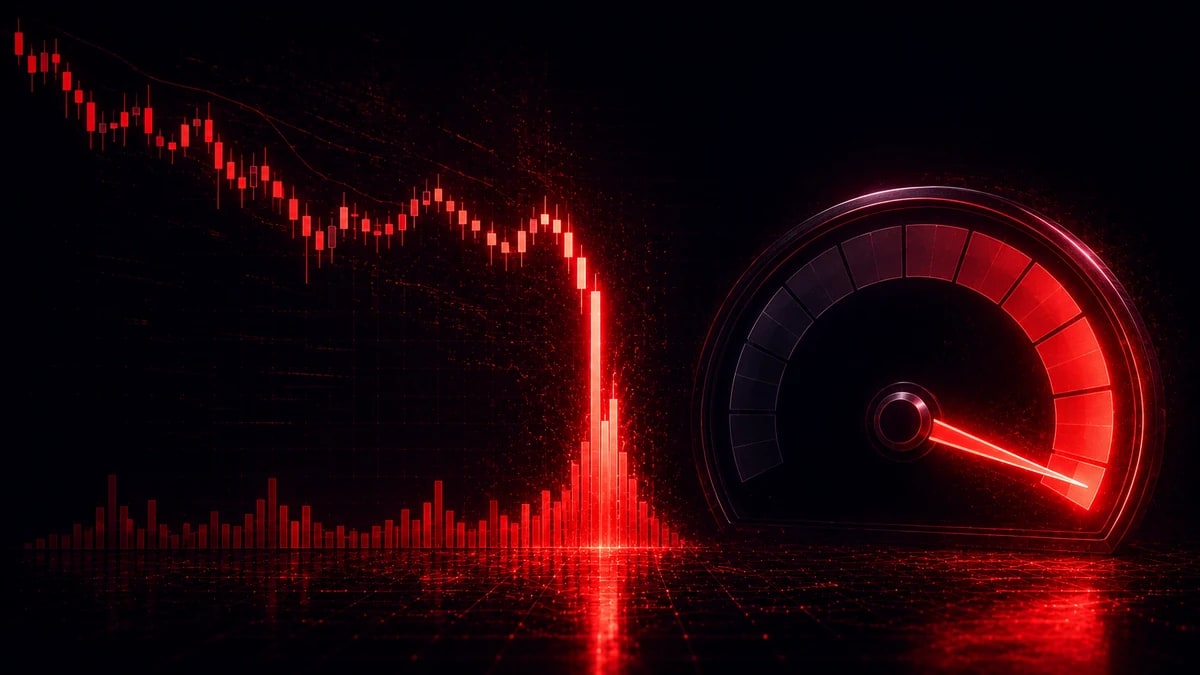
What is capitulation in crypto? Learn the signs of a market bottom, how to identify it, and strategies to navigate extreme fear in 2026 and beyond.
In the volatile world of cryptocurrency, understanding market psychology is as crucial as analyzing charts. One of the most intense and often pivotal moments in a market cycle is capitulation. This guide, brought to you by DEXTools News, will break down what capitulation means for crypto investors in 2026 and beyond, helping you recognize its signs and navigate these challenging periods.
Capitulation isn't just a fancy term for a price drop; it's a specific, emotion-driven phenomenon that can mark the end of a long downtrend. By learning to identify it, you can avoid common pitfalls and potentially position yourself for future growth, rather than succumbing to panic.
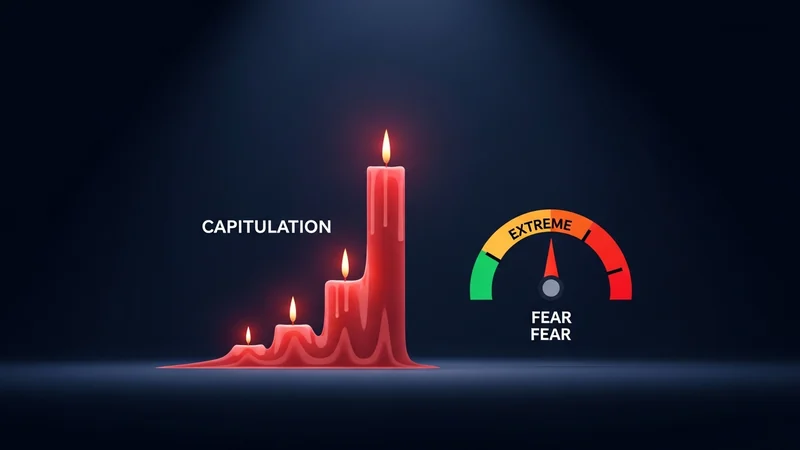
What is Capitulation in Crypto?
At its core, capitulation is a sharp, emotion-driven mass sell-off. It's the point where a significant number of investors, often referred to as 'weak hands,' surrender to overwhelming fear and dump their assets at a loss. This often occurs near the very end of a prolonged downtrend, after many have already endured significant pain.
Think of it as the market's final gasp of despair. Investors, having held through previous dips, finally lose all hope and decide to cut their losses, believing prices will never recover. This collective act of surrender creates a powerful downward pressure that can seem relentless.
Why Capitulation is Different in Crypto
The cryptocurrency market has unique characteristics that make capitulation events particularly intense and rapid. Unlike traditional markets, crypto trades 24 hours a day, seven days a week, without closing bells. This continuous trading allows fear to spread and manifest without pauses for reflection.
Furthermore, the prevalence of high leverage in crypto trading amplifies price movements. When prices drop sharply, leveraged positions can be quickly liquidated, triggering a cascade of forced selling that accelerates the capitulation process far faster than in traditional stock markets.
Key Signs of Capitulation: How to Spot a Market Bottom
Identifying capitulation in real-time is challenging, as emotions run high. However, several observable metrics and patterns can signal that a market bottom might be forming. It's crucial to look for a confluence of these signs rather than relying on just one indicator.
- Violent Price Drop on Unusually High Volume: This is perhaps the most visually striking sign. You'll see large red candles on the charts, indicating significant selling pressure. What distinguishes capitulation is the accompanying volume, which will be unusually high, showing a massive transfer of assets from sellers to buyers. DEXTools charts are excellent for tracking such volume spikes on specific pairs.
- Crypto Fear and Greed Index in Extreme Fear (Under 20): This popular sentiment indicator measures various market factors to gauge overall emotion. During capitulation, the index will typically plunge into the 'Extreme Fear' zone, often registering values under 20. This reflects widespread panic and despair among market participants.
- Waves of Leveraged Liquidations: As mentioned, high leverage plays a significant role. Trackers like CoinGlass allow you to observe waves of leveraged liquidations. During capitulation, you'll see large, sudden spikes in liquidation volumes, indicating that many highly leveraged positions are being forcibly closed.
- Extreme Intraday Volatility: The daily price swings during capitulation can be staggering. It's common to see intraday volatility where assets drop by 20% to 30% or more within a single day. These wild swings reflect the intense battle between sellers giving up and opportunistic buyers stepping in.
It's important to remember that these signs are often clearer in hindsight. While they provide strong indications, confirming a true market bottom always requires time and subsequent price action.
The Psychology Behind Capitulation
Capitulation is primarily a psychological event. It's driven by a collective shift from hope and denial to fear and despair. Investors who have held through earlier dips eventually reach their breaking point, convinced that further losses are inevitable. This emotional exhaustion leads to irrational selling, often at the worst possible time.
The cycle typically involves:
- Denial: Initial price drops are dismissed as temporary corrections.
- Fear: As prices continue to fall, anxiety sets in.
- Despair: The final stage, where hope is lost, leading to capitulation.
Understanding this emotional journey can help you detach from your own biases and make more rational decisions during these stressful periods.
Strategies for Navigating Capitulation
While capitulation feels chaotic, a well-thought-out strategy can help you survive and even thrive. The goal is to avoid becoming part of the mass sell-off and instead position yourself for recovery.
1. Avoid Panic Selling
The most crucial advice during capitulation is to resist the urge to panic sell. Selling at the bottom, when fear is at its peak, locks in losses and misses out on the subsequent recovery. Unless your financial situation absolutely demands it, try to hold through the extreme volatility.
2. Watch Sentiment Extremes
Pay close attention to sentiment indicators like the Crypto Fear and Greed Index. When it hits extreme fear levels, it often signals that a bottom is near. Legendary investor Warren Buffett's advice to be "fearful when others are greedy and greedy when others are fearful" is particularly relevant here.
3. Utilize Dollar-Cost Averaging (DCA)
Instead of trying to 'catch a falling knife' by attempting to buy the exact bottom, consider dollar-cost averaging. This involves investing a fixed amount of money at regular intervals, regardless of the price. During a downtrend and capitulation, DCA allows you to gradually accumulate more assets at lower average prices, reducing the risk of a single mistimed large purchase.
4. Rebalance Your Portfolio
Capitulation can be an opportune time to re-evaluate your portfolio. If certain assets have fallen significantly but you still believe in their long-term potential, consider rebalancing by allocating more capital to them. Conversely, it's also a time to cut ties with projects that have fundamentally weakened or failed to deliver.

Capitulation vs. Correction vs. Bear Market
It's important to distinguish capitulation from other market terms. While they are related, they describe different phases or types of market movements.
Confirmation in Hindsight: The True Test
One of the most important aspects of capitulation to understand is that it is confirmed only in hindsight. While the signs of a violent price drop on high volume, extreme fear, and liquidations are strong indicators, you can never be 100% certain that the absolute bottom is in until prices begin to recover and sustain an upward trend.
Many investors mistakenly believe every sharp drop is capitulation, only to see prices fall further. This is why a cautious approach, focusing on risk management and long-term strategy, is always recommended. Use DEXTools to monitor price action and volume closely for signs of recovery after a potential capitulation event.
Conclusion
Capitulation is a brutal but often necessary phase in market cycles. It purges weak hands and resets sentiment, laying the groundwork for future recovery. By understanding what it is, recognizing its signs, and adopting a disciplined strategy, you can navigate these challenging periods with greater confidence.
Remember, the goal isn't to perfectly time the market, but to avoid emotional decisions and stick to a well-researched plan. As a DEXTools News reader, staying informed and prepared is your best defense against market volatility, even during the most extreme moments of fear and capitulation.
Frequently Asked Questions
What is the primary characteristic of crypto capitulation?
The primary characteristic of crypto capitulation is a sharp, emotion-driven mass sell-off where investors surrender to fear and dump their assets at a loss, often near the end of a downtrend.
How can I identify capitulation in real-time?
Look for a confluence of signs: a violent price drop on unusually high volume, the Crypto Fear and Greed Index showing Extreme Fear (under 20), waves of leveraged liquidations, and extreme intraday volatility (20-30% drops).
Why does crypto capitulation happen faster than in traditional markets?
Crypto trades 24/7, allowing fear to spread continuously, and the high prevalence of leverage can trigger cascading liquidations, accelerating price drops much faster than in traditional markets.
What is a recommended strategy during a capitulation event?
Avoid panic selling, watch for sentiment extremes, and use dollar-cost averaging (DCA) rather than trying to perfectly time the market bottom. Rebalancing your portfolio can also be beneficial.
Is capitulation always the absolute market bottom?
Capitulation often marks a local bottom because weak hands have sold and selling pressure fades. However, it is only confirmed in hindsight, after prices begin to recover and sustain an upward trend.