What Is QuickNode: RPC Infrastructure, Elastic APIs and Web3 Build Workflows (2026)
— By Whatsertrade in Tutorials
What is QuickNode? Learn how this Web3 infrastructure platform handles RPC endpoints, elastic APIs, blockchain data access and builder workflows in 2026.
Intent check: If you are comparing providers side by side, see Top 5 Crypto RPC Providers in 2026. This article is specifically about what QuickNode is and how builders use it.
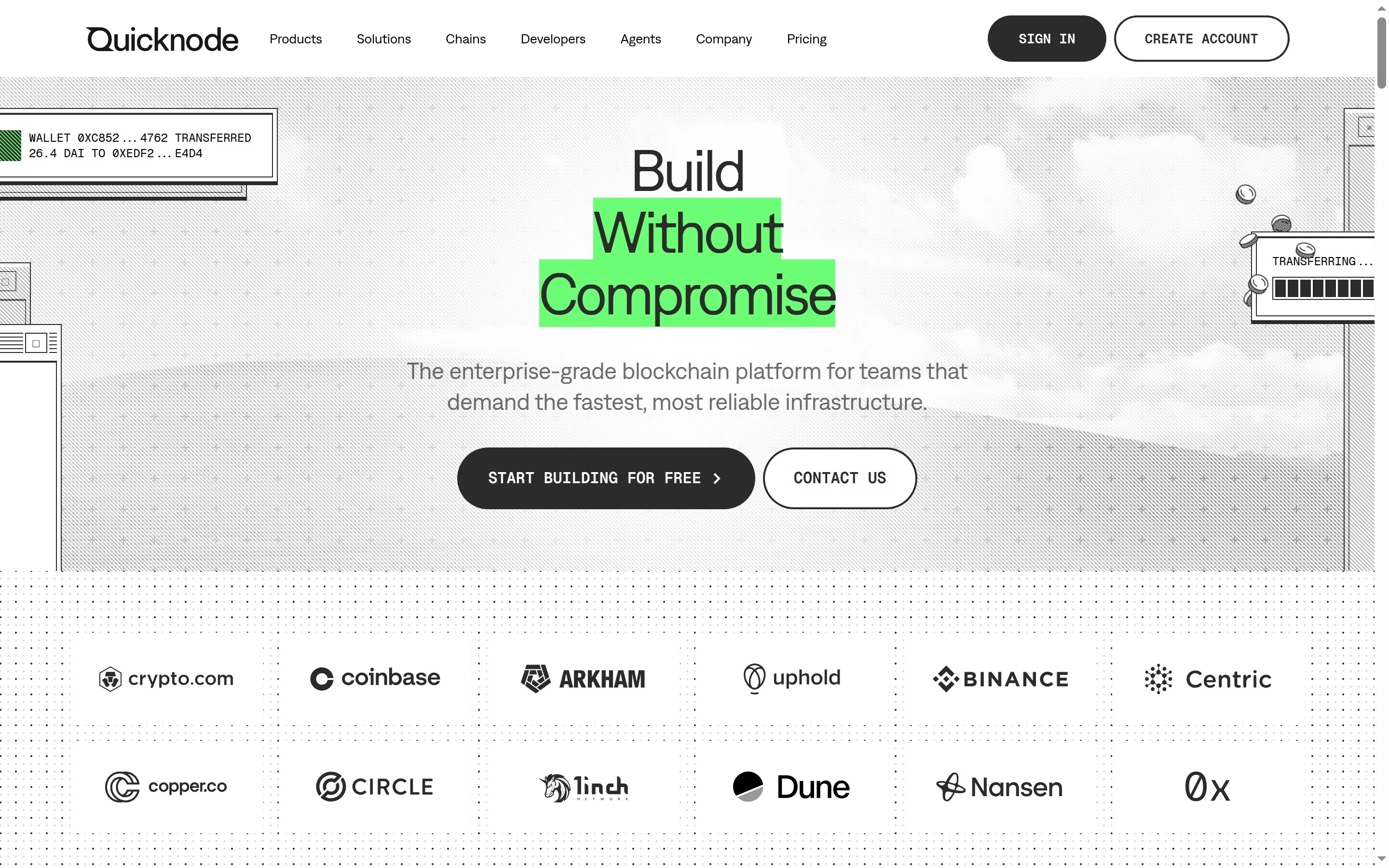
QuickNode is a Web3 infrastructure company that sells fast blockchain access so developers do not have to run and maintain every node themselves. The simplest way to think about it is this: when a wallet, bot, dashboard or onchain app needs reliable blockchain reads and writes at scale, QuickNode is one of the providers teams reach for.
This query works as evergreen search content because builder demand does not depend on a single market cycle. As long as apps need RPC endpoints, indexed data and production-grade uptime, people keep searching for what QuickNode does and whether it is a fit.
What QuickNode does in plain English
Every crypto app needs a way to talk to a blockchain. That connection layer is usually an RPC endpoint. Running your own nodes gives maximum control but also creates operational work, sync problems, reliability issues and scaling headaches. QuickNode sells a cleaner middle path: outsourced infrastructure with performance expectations closer to production software than hobby setups.
So when people ask what QuickNode is, the useful answer is not “an RPC company.” It is “a company that reduces the operational burden of blockchain connectivity and data access for builders.”
Why RPC providers matter in the first place
If the terms feel fuzzy, start with our explainers on what RPC endpoints are, how blockchain nodes work and why rate limits happen. Those three concepts explain most of the category.
Apps break when blockchain access becomes slow, rate-limited or unreliable. That is why infrastructure providers matter. Good RPC performance is invisible when everything works and painfully obvious when it does not.
What builders usually want from QuickNode
Most teams are not buying infrastructure for fun. They want to ship faster. That usually means dependable endpoints, broader chain support, add-on APIs, easier scaling and less DevOps drag around node maintenance.
The category also gets evaluated through time-to-market. If QuickNode helps a team launch a wallet feature, bot workflow or data product weeks faster than self-hosting would, that productivity benefit can matter more than micro-optimizing raw infra cost.
How to keep this article distinct from broader RPC content
There is an obvious cannibalization trap here. We already cover the generic category in Top 5 Crypto RPC Providers in 2026. If this page turned into another comparison list, it would overlap with our own asset.
The cleaner move is to stay branded and explanatory: what QuickNode is, what problems it solves, what kind of builder chooses it, and how to think about it relative to self-hosting. That lines up better with the actual branded SERP too.
Who QuickNode is for, and who it is not for
QuickNode makes the most sense for teams building real products: wallets, analytics tools, bots, trading systems, dashboards or applications that need reliable chain access. It makes less sense for someone who only needs occasional manual explorer checks or who enjoys running infrastructure as part of the project itself.
That does not make one path superior in every case. It just clarifies the decision. Some teams pay for speed and reliability. Others optimize for maximal control. The right answer depends on the product and the operational burden you are willing to own.
Final take
QuickNode is one of the clearest evergreen examples of a real Web3 infrastructure business. If your project needs production-grade blockchain access without self-hosting every node stack, understanding QuickNode is worth it even if you eventually choose a different provider.