How to Analyze Liquidity Like a Pro Memecoin Trader
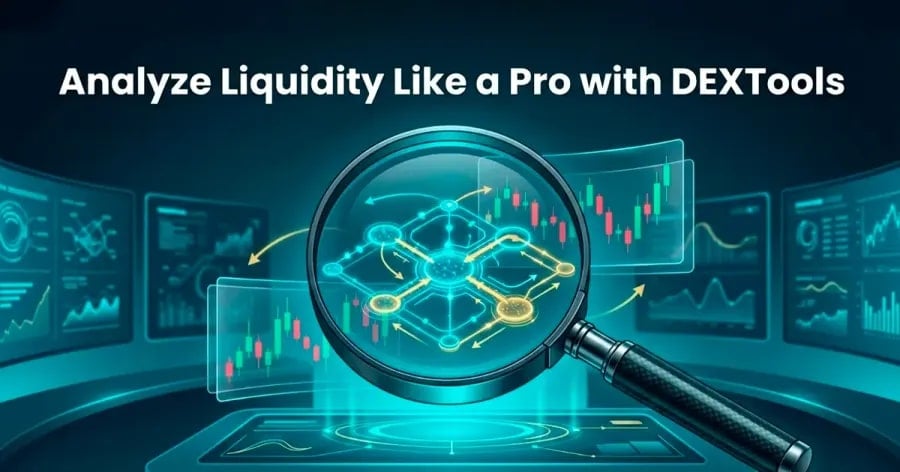
Analyze token liquidity by examining LP size, lock status, ownership, and trading volume to identify safe entry/exit points and avoid rug pulls.
To analyze token liquidity like a pro memecoin trader, focus on the size and health of the Liquidity Pool (LP), scrutinize LP token ownership and lock/burn status, assess trading volume relative to liquidity, and utilize advanced tools like DEXTools Pair Explorer to identify potential red flags and ensure smooth entry and exit points.
The Critical Role of Liquidity in Memecoin Trading
Memecoin trading is a high-stakes arena where fortunes can be made or lost in seconds. Unlike traditional assets, memecoins often lack fundamental value, making their price movements heavily reliant on community sentiment and, crucially, liquidity. Understanding liquidity is paramount for identifying potential gems and, more importantly, avoiding devastating losses from rug pulls or illiquid markets.
In decentralized finance (DeFi), liquidity pools (LPs) are the backbone of token swaps. They replace traditional order books, allowing traders to exchange tokens seamlessly. For memecoins, liquidity dictates:
- Ease of Entry/Exit: High liquidity means you can buy or sell significant amounts without drastically impacting the price.
- Slippage Control: Low liquidity leads to higher slippage, where your executed trade price differs significantly from your expected price.
- Market Resilience: Healthy liquidity pools absorb large trades and market volatility more effectively, supporting sustainable trading activity.
Consider two hypothetical tokens:
- Token A: $5M market cap, $40K liquidity.
- Token B: $2M market cap, $800K liquidity.
An experienced trader would almost always prefer Token B. Despite its lower market cap, its substantially higher liquidity makes it less susceptible to manipulation, offers safer entry/exit points, and reduces the risk of significant slippage during trades.
Understanding LP Tokens and Ownership
When individuals or entities provide liquidity to a decentralized exchange (DEX) pool, they receive Liquidity Provider (LP) tokens. These tokens represent their share of the pool and are critical because their ownership determines who can withdraw the underlying assets. Analyzing LP token ownership is a primary defense against rug pulls.
Key Questions for LP Analysis:
- Who owns the LP tokens? Ideally, LP tokens should be locked or burned, not held by the development team or a single wallet.
- Are LP tokens locked or burned? This is the most crucial indicator of security against sudden liquidity withdrawal.
- Is there a significant portion of LP tokens held in an unknown or suspicious wallet? This could indicate a potential rug pull risk.
Locked vs. Burned Liquidity: The Ultimate Trust Signals
The status of LP tokens - whether they are locked, burned, or unlocked - is a fundamental aspect of assessing risk. This distinction is vital for understanding a project's commitment and security.
Locked Liquidity
When LP tokens are locked, they are deposited into a smart contract that prevents their withdrawal for a specified duration. This mechanism demonstrates a time commitment from the project team or liquidity providers.
What Locked Liquidity Signals:
- Reduced Rug Risk: Funds cannot be instantly withdrawn, providing a temporary layer of security.
- Market Stability: Locking shows a degree of commitment and security measures, fostering more confidence.
- Time-Bound Security: It's important to note the lock duration. A short lock period still carries risk upon expiration.
Burned Liquidity
Burned liquidity involves sending LP tokens to an irretrievable address (e.g., the zero address 0x000...dead). This permanently removes them from circulation, making it impossible for anyone to withdraw the underlying liquidity.
Benefits of Burned Liquidity:
- Immutable Security: The liquidity can never be withdrawn by any party.
- Maximum Investor Confidence: This is considered the highest trust signal, as it virtually eliminates the possibility of a rug pull via liquidity removal.
- Limits Project Flexibility: While secure, burned liquidity means the project cannot easily adjust its liquidity strategy, which might be a consideration for long-term development.
Unlocked Liquidity
Unlocked liquidity means LP tokens are held in a wallet and can be withdrawn at any time. This represents the highest risk scenario.
How to Analyze Liquidity Like a Pro Memecoin Trader
Mastering liquidity analysis involves a systematic approach, combining data points to form a comprehensive picture of a token's health and risk profile.
- Step 1: Assess Total Liquidity (LP Size). Look at the total value locked in the liquidity pool. For memecoins, a healthy LP usually starts at $100,000 USD equivalent, with higher values indicating greater stability and less susceptibility to price manipulation. Very low liquidity (e.g., under $20,000) makes even small trades cause significant price swings and high slippage.
- Step 2: Verify LP Token Ownership and Distribution. Determine who holds the LP tokens. Ideally, the vast majority should be locked in a reputable locker or burned. If a significant percentage (e.g., >5%) is held in a single, unknown, or developer wallet, it's a major red flag.
- Step 3: Check Liquidity Lock/Burn Status. Confirm if the LP tokens are locked or burned. If locked, note the locking period. Longer lock periods (e.g., 6 months to several years) are preferable. Permanently burned liquidity offers the highest level of security.
- Step 4: Analyze Trading Volume vs. Liquidity. Compare the 24-hour trading volume to the total liquidity. A high volume relative to low liquidity suggests extreme volatility and potential for significant price impact on trades. Conversely, healthy liquidity with consistent volume indicates organic trading activity.
- Step 5: Evaluate Slippage Tolerance. Understand the typical slippage required for trades. Low liquidity often necessitates high slippage tolerance (e.g., 10-15% or more), meaning you'll pay more than expected. Aim for tokens where you can trade with 2-5% slippage comfortably.
- Step 6: Monitor Liquidity Pool Changes. Keep an eye on any sudden, large withdrawals or additions to the liquidity pool. Unexpected withdrawals can signal an impending rug pull or loss of confidence, while significant additions can be a positive sign.
- Step 7: Check Renounced Contract Status. While not directly liquidity, a renounced contract (where ownership is transferred to the burn address) often accompanies burned or locked liquidity, adding another layer of trust as the developer can no longer modify the contract.
DEXTools Pair Explorer: Your Essential Liquidity Analysis Tool
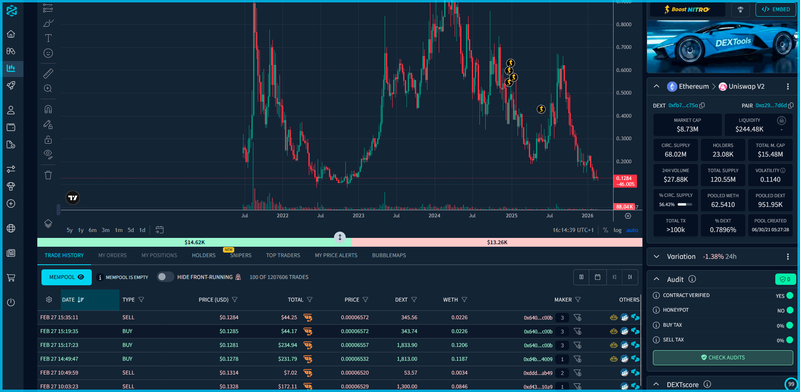
DEXTools is an indispensable platform for DeFi traders, offering detailed real-time insights into liquidity, volume, and market trends across various DEXs. Its Pair Explorer is specifically designed to streamline liquidity analysis.
How DEXTools Helps:
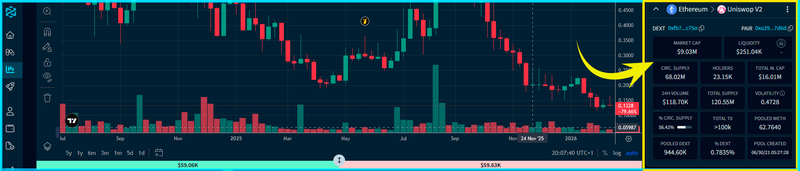
- Real-time Total Liquidity: The liquidity box on the Pair Explorer prominently displays the total capital in the pool, instantly giving you a snapshot of its size.
- LP Holders and Distribution: DEXTools provides a clear breakdown of LP token holders, allowing you to quickly identify if a single entity controls a large, unlocked portion.
- Liquidity Lock/Burn Status: The platform integrates with major locker services, indicating if liquidity is locked, for how long, or if it's been burned. This is often highlighted with clear indicators.
- Volume and Price Impact: DEXTools shows 24-hour trading volume, enabling you to compare it against liquidity and assess potential slippage. It also often provides a 'price impact' estimate for various trade sizes.
- Transaction History: You can view recent liquidity additions or removals, helping you spot suspicious activity.
Liquidity Health Checklist: What to Look For
The Impact of Slippage on Your Trades
Slippage is the difference between the expected price of a trade and the price at which the trade is actually executed. In low-liquidity memecoin markets, slippage can be a significant cost, eating into your profits or increasing your losses.
- High Slippage: Occurs when there isn't enough liquidity to fill your order at the desired price. Your trade will be executed at the next available price, which could be much higher (for buys) or lower (for sells).
- Impact on Memecoins: Due to their often volatile nature and sometimes limited liquidity, memecoins are highly susceptible to high slippage. Traders often need to set higher slippage tolerances (e.g., 5-15%) to ensure their trades go through, especially during periods of high demand or panic selling.
Always consider the potential slippage before executing a trade, and adjust your expectations accordingly. Tools like DEXTools often provide an estimated slippage for a given trade size.
Advanced Liquidity Metrics and Considerations
Beyond the basics, professional traders delve into more nuanced aspects of liquidity:
- Liquidity Depth: This refers to the amount of buy and sell orders at various price levels. A deep order book (or robust LP) means large trades can be executed without significant price impact. While DEXs don't have traditional order books, the size of the LP and the distribution of tokens within it contribute to this 'depth'.
- Impermanent Loss: For liquidity providers, impermanent loss is a risk. It occurs when the price ratio of the tokens in the pool changes after providing liquidity. While not directly affecting a trader's ability to buy/sell, understanding it helps gauge LP stability.
- Whale Activity: Monitoring large wallet addresses (whales) that hold significant portions of LP tokens or the token itself can provide early warnings. Sudden movements by whales can indicate impending price action or liquidity changes.
- Multi-Chain Liquidity: Some tokens exist on multiple chains with separate liquidity pools. Analyze liquidity across all relevant chains to get a complete picture.
The TON Ecosystem and Liquidity Considerations
The TON (The Open Network) ecosystem has seen rapid growth in its memecoin scene. While the principles of liquidity analysis remain universal, specific platforms and tools cater to this environment.
For traders active on TON, specialized terminals like Not.Trade are crucial. They provide real-time dashboards for new pairs, volume movers, and trending jettons. Critically, their 'insider safety panel' flags risky tokens before a buy, often by analyzing liquidity parameters like LP locks and ownership, similar to how DEXTools operates on other EVM chains. Features like multi-wallet sniping and MEV protection further enhance trading on TON, allowing for faster and safer participation in new launches.
Conclusion: Liquidity as Your Compass in the Memecoin Wild West
In the volatile world of memecoin trading, liquidity is not just a metric; it's your compass. By diligently analyzing LP size, ownership, lock/burn status, and its relationship with trading volume, you can significantly reduce your risk exposure and make more informed decisions. Tools like DEXTools empower you with the data needed to become a liquidity analysis pro, helping you navigate the memecoin landscape with greater confidence and avoid the pitfalls of illiquid or manipulated tokens. Always prioritize robust, locked, or burned liquidity to protect your capital.
Frequently Asked Questions
What is token liquidity?
Token liquidity refers to the ease with which a cryptocurrency can be bought or sold without significantly affecting its price. It's determined by the amount of assets locked in a liquidity pool (LP) on a decentralized exchange (DEX).
Why is liquidity important for memecoins?
For memecoins, liquidity is crucial because it dictates how easily traders can enter or exit positions, impacts the amount of slippage experienced during trades, and contributes to the overall stability and resilience of the token's market.
What is the difference between locked and burned liquidity?
Locked liquidity means LP tokens are held in a smart contract for a set period, preventing withdrawal. Burned liquidity means LP tokens are sent to an irretrievable address, permanently removing them and the underlying assets from circulation. Burned liquidity offers the highest security.
How does DEXTools help analyze liquidity?
DEXTools Pair Explorer provides real-time data on total liquidity, LP token holders, liquidity lock/burn status, trading volume, and transaction history, enabling traders to quickly assess a token's liquidity health and potential risks.
What is a 'rug pull' in relation to liquidity?
A rug pull occurs when developers or large holders of LP tokens suddenly withdraw all or most of the liquidity from a pool, causing the token's price to crash to near zero and leaving other investors unable to sell their holdings.
What is a healthy amount of liquidity for a memecoin?
While subjective, a healthy liquidity pool for a memecoin typically has at least $100,000 USD equivalent. Higher amounts indicate greater stability and less susceptibility to price manipulation and high slippage.
How does slippage relate to liquidity?
Low liquidity often leads to high slippage, meaning your trade might execute at a significantly different price than expected. High liquidity minimizes slippage, allowing trades to be filled closer to the desired price.
Should I invest in a token with unlocked liquidity?
Investing in a token with significant unlocked liquidity, especially if held by the development team or a single wallet, carries extremely high risk. It's a major red flag for a potential rug pull and should generally be avoided by risk-averse traders.
What other factors should I consider besides liquidity?
Beyond liquidity, consider the project's community engagement, contract audit status, developer reputation, tokenomics (supply, distribution), and overall market sentiment. Liquidity is a critical piece, but not the only one.