EVAA Protocol Tutorial: TON Lending and Borrowing (2026)
— By Tony Rabbit in Tutorials

EVAA is one of the leading lending protocols on TON. This tutorial walks through supplying assets, borrowing against collateral, managing health factor, and the strategies that work without blowing up.
EVAA is among the leading lending protocols on TON. It provides a money market where users supply assets to earn yield and borrow against collateral, similar in spirit to Aave on Ethereum or JustLend on Tron. The mechanics will be familiar to any DeFi user, with a few TON-specific details around Jetton support, oracle design, and how positions interact with the TON wallet experience.
Quick answer: To use EVAA, connect a TON wallet, supply TON or stablecoins to earn variable APY, optionally enable that supply as collateral, and borrow other assets up to a fraction of your collateral's value. Liquidation triggers when the health factor crosses 1, with liquidators repaying part of the debt and seizing collateral at a discount. Beginners should start with stablecoin supply only and stay well above 1.5 health factor before borrowing.
- Supply earns variable APY. Rates float with utilization.
- Borrowing requires collateral. Collateral factors are different per asset.
- Health factor matters most. Cross 1.0 and liquidation triggers.
- Stablecoin loops have hidden risk. Even "stable" pairs can liquidate during depegs.
- EVAA uses TON network gas. Each interaction costs a small amount of TON.
What EVAA actually is
EVAA is a money market on TON. Suppliers deposit assets into a pool. Borrowers take loans against the same pool by posting collateral worth more than the amount borrowed. The two sides interact through the protocol's smart contracts; rates adjust based on utilization rather than through manual matching.
Trade TON with Not.Trade, the fastest terminal on TON
Not.Trade is purpose built for TON traders: real-time on-chain charts for every jetton, insider safety scoring (Top 10 wallets, snipers, dev movement, bundlers, LP lock), MCAP-trigger limit orders, multi-wallet sniping, MEV protection and one-click swaps routed across STON.fi and DeDust. It runs natively inside Telegram and as a fast web terminal, with TON Connect non-custodial wallet support.
Read the full Not.Trade guide →Suppliers
When you supply, EVAA mints a receipt token that represents your share of the pool. The receipt accrues interest automatically as the pool earns from borrowers. Withdraw by redeeming the receipt for the underlying asset plus accrued interest.
Borrowers
Borrowers post supplied assets as collateral. Each asset has a collateral factor, which is the maximum fraction of its value you can borrow against. Stablecoins typically have higher factors than volatile assets because they are less likely to swing into liquidation.
Liquidators
Liquidators are bots or active traders who watch positions. When a borrower's health factor drops below 1, liquidators can repay part of the debt in exchange for receiving the borrower's collateral at a discount. This keeps the protocol solvent.
How to supply and earn yield
The simplest EVAA flow is supply only, with no borrowing. The risk surface is much smaller and the workflow is familiar.
Connect a TON wallet
Open evaa.finance and click Connect Wallet. Use Tonkeeper or another TON Connect wallet. Verify the domain on the wallet's prompt.
Pick the asset to supply
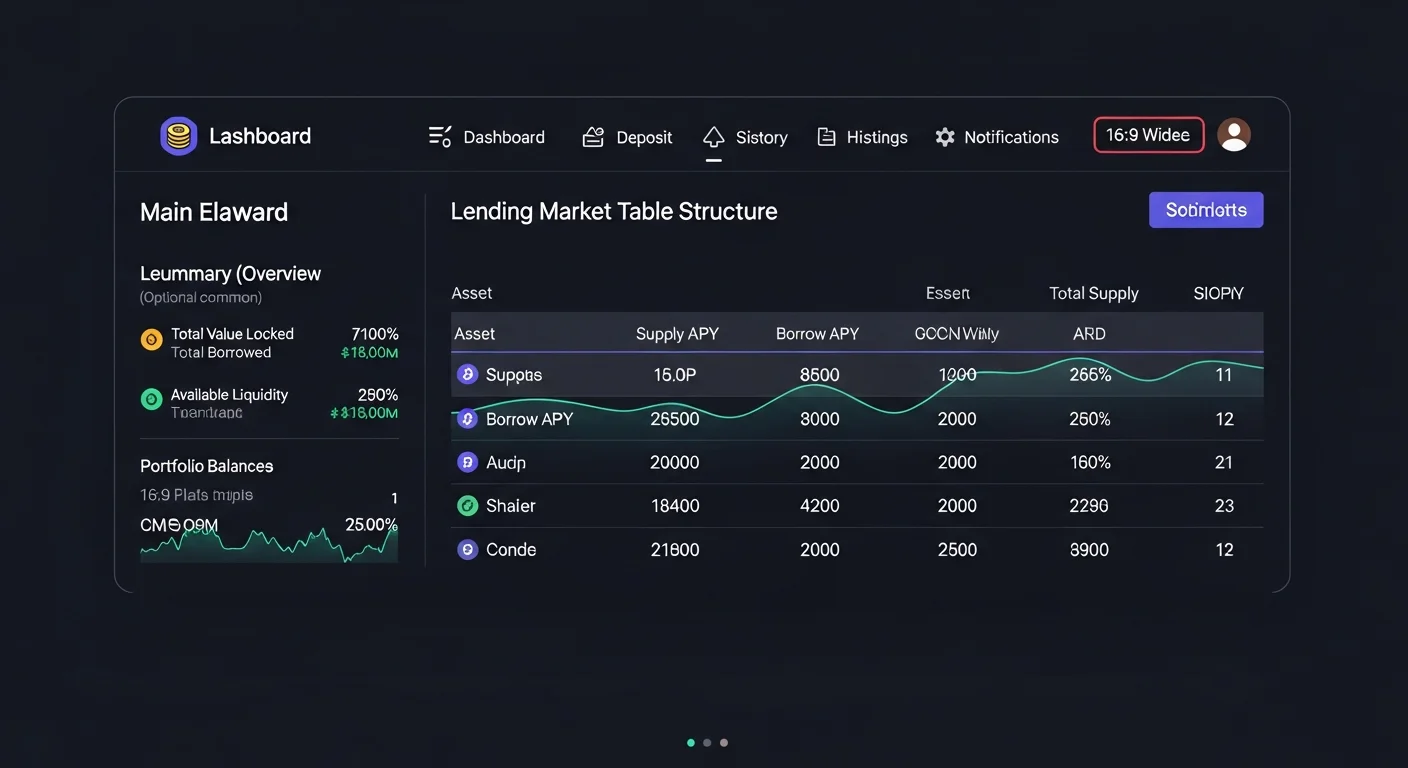
From the markets list, choose what to supply. Stablecoins like USDT-TON and jUSDT are conservative choices. TON itself can be supplied and used as collateral. Each row shows the current supply APY, which fluctuates with borrow demand.
Deposit and (optionally) enable as collateral
Approve the asset for the protocol if needed, then deposit. To use the deposit as collateral for a future loan, toggle the Use as Collateral switch. If you only want yield without borrowing, leave it off.
How to borrow and manage health factor
Borrowing on EVAA is where the real risk lives.
How borrowing works
With collateral enabled, the dashboard shows borrowing power. Borrow up to that amount of any supported asset. The borrow rate floats with utilization. If many users borrow the same asset, the rate climbs sharply.
Health factor in plain English
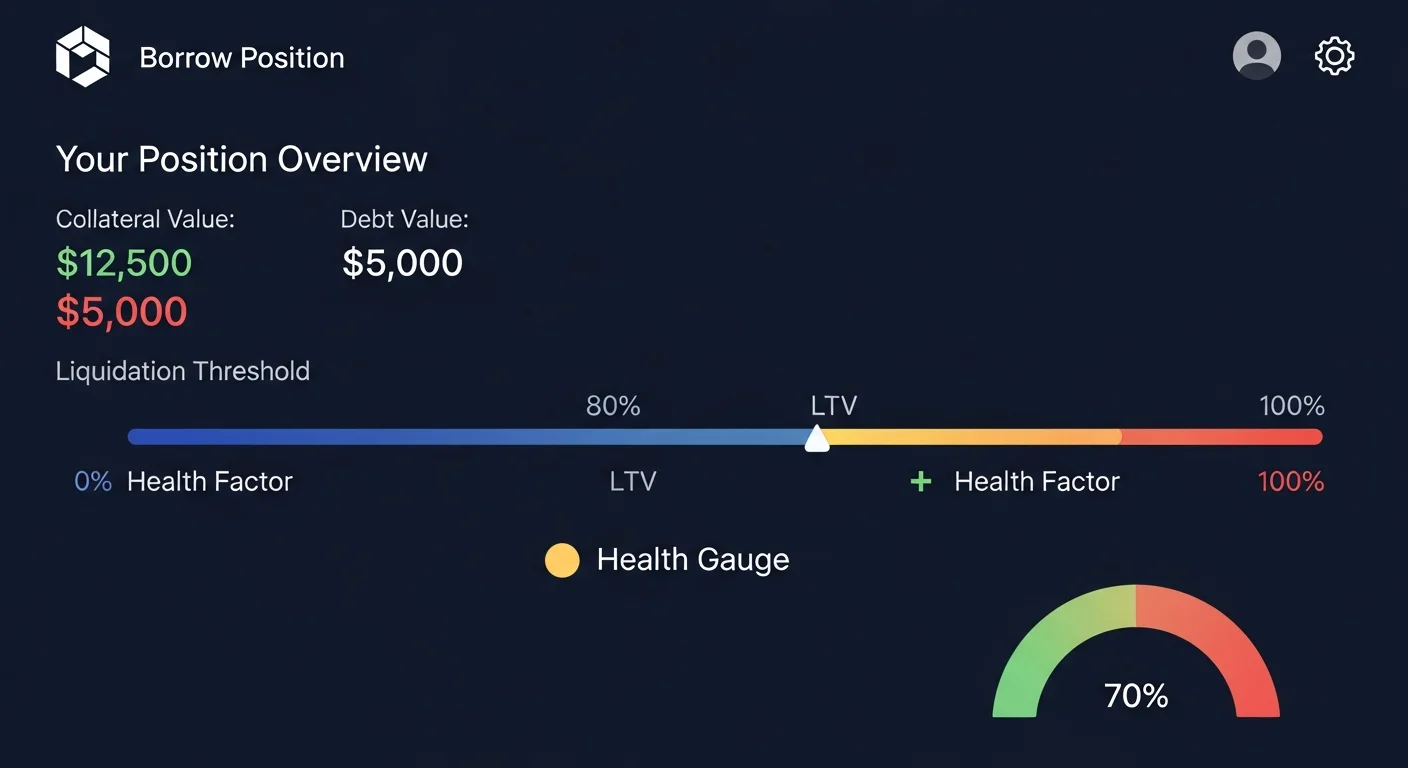
Health factor summarizes how safe your borrow position is. A health factor of 2.0 means your collateral is roughly twice the size of your debt at the liquidation threshold. A health factor of 1.0 means you are at the edge of liquidation. Below 1.0, the position can be liquidated.
Conservative borrowing in practice
Most experienced users keep health factor well above 1.5 to absorb sudden price swings. Aggressive borrowers may run lower, but they also lose collateral more often during sharp moves.
Common EVAA strategies
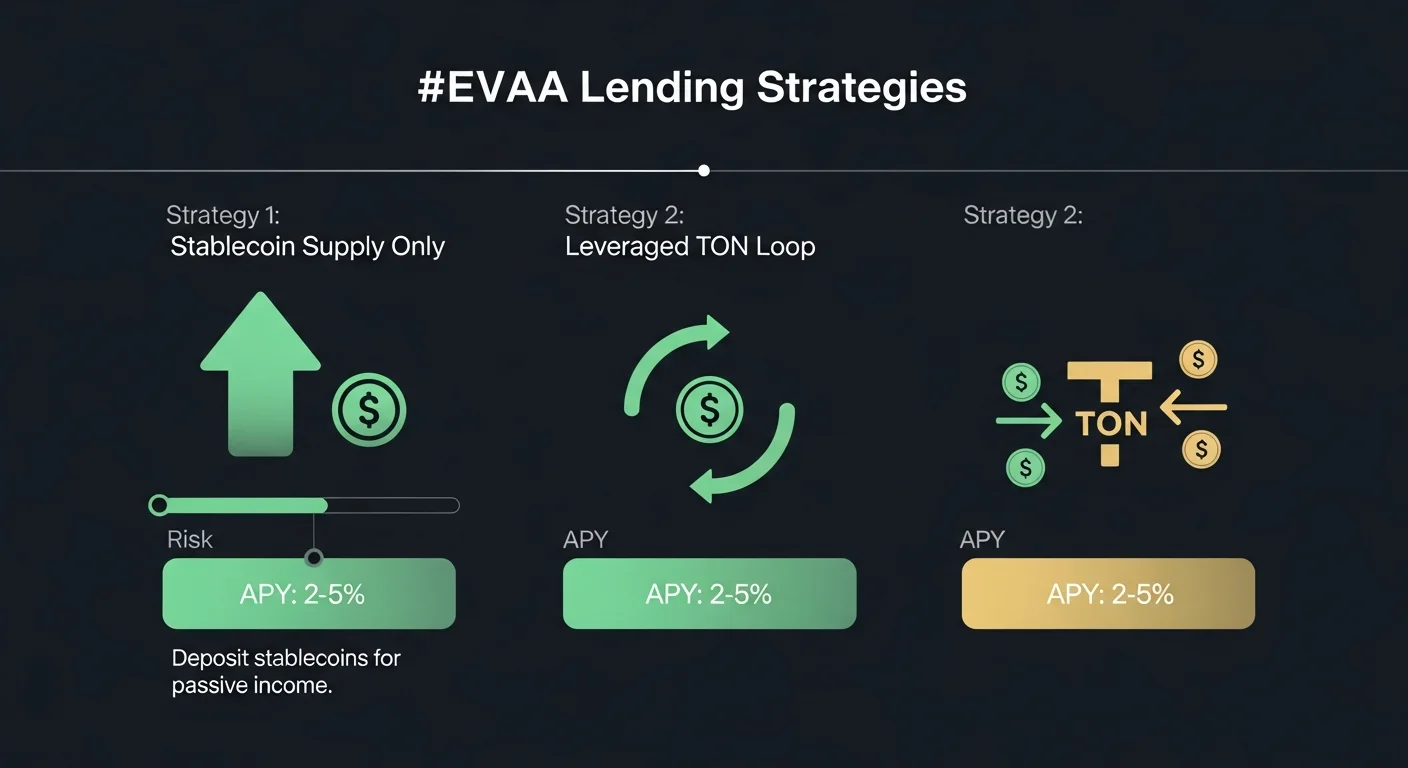
Most EVAA users fall into one of three patterns.
Stablecoin supply only
Deposit USDT-TON or jUSDT, do not borrow, and earn variable APY. The lowest-risk pattern. The main exposures are smart contract risk and stablecoin depeg.
Leveraged TON loop
Supply TON, borrow USDT-TON against it, swap back into more TON, supply again. Increases yield exposure if TON price holds. Amplifies losses sharply if TON price drops, because the leveraged position liquidates earlier.
Borrow for spending or trading
Users with long-term TON holdings can borrow USDT-TON instead of selling, to maintain crypto exposure while spending fiat-equivalent. This still creates liquidation risk if TON price falls and the borrow has to be repaid quickly.
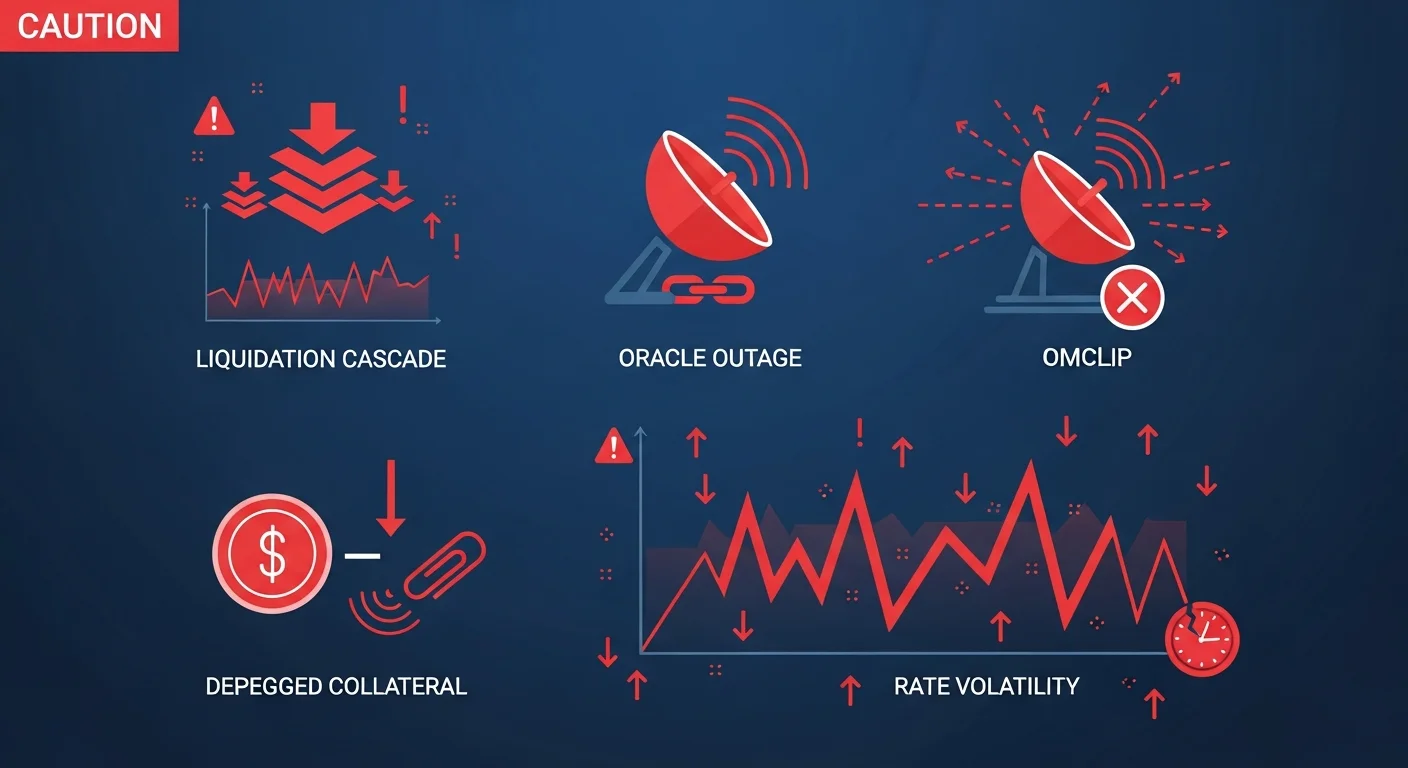
Risks beyond simple liquidation
- Smart contract risk: EVAA has been audited, but no DeFi protocol can guarantee immunity to exploits.
- Oracle risk: liquidation thresholds depend on oracle prices. Oracle issues can cause wrongful liquidations.
- Stablecoin depeg: if a supplied stable depegs, your collateral can drop in value sharply.
- Rate volatility: borrow rates can spike if utilization climbs.
- Network congestion: on extreme volatility days, getting transactions through can be hard, which is exactly when you need to add collateral.
EVAA vs other TON yield options
| Option | Stronger for | Main caution |
|---|---|---|
| EVAA supply | Variable yield on TON, USDT, jUSDT | Smart contract and oracle risk |
| EVAA borrow | Leverage and short-term liquidity | Liquidation risk, rate volatility |
| STON.fi LP | Trading fees from real volume | Impermanent loss |
| Liquid staking | Stable validator-based yield | LST contract risk, depeg |
Practical workflow for first-time EVAA users
- Start with a small supply test. Confirm the deposit, the receipt token, and the yield accrual.
- Do not enable collateral until you actually plan to borrow. It expands the surface for liquidation logic.
- Set a personal health factor floor. 1.5 is a reasonable starting point.
- Plan an emergency repayment path. Know exactly which TON or stables you can pull in fast.
- Watch governance. Collateral factors and rates can change.
Frequently asked questions
Is EVAA safe?
It is one of the most-used protocols on TON, but no DeFi protocol is risk-free. Smart contract, oracle, and stablecoin risks remain.
What is the minimum deposit on EVAA?
There is no protocol minimum, but each transaction consumes TON gas, so very small deposits may be inefficient.
Can I borrow against TON itself?
Yes. TON is a supported collateral asset, with a collateral factor lower than stablecoins because of its volatility.
How is EVAA interest calculated?
Rates are derived from utilization. As more of the supply is borrowed, both supply APY and borrow APY climb.
What happens during a liquidation on EVAA?
Liquidators repay part of the debt and receive a portion of the collateral at a discount. The borrower keeps the remaining collateral minus the discount and unpaid debt.
Final takeaway: EVAA is a powerful TON-native money market. Supply-only is a clean way to earn variable yield; borrowing turns it into a leverage tool that punishes carelessness. Watch the health factor, plan the unwind, and keep TON gas available for the moments when adding collateral matters most.
Disclaimer: This guide is for educational purposes only and does not constitute investment, financial, legal, or trading advice. DeFi positions can be liquidated quickly during volatile markets.
Related Guides
- JustLend Tutorial: How to Lend and Borrow on TRON (2026)
- How to Use Aave: Deposit, Borrow, Repay and Manage Health Factor (2026)
- What Is Suilend? Sui Lending Protocol & SEND Token Guide 2026
- What Is Spark Protocol? Sky, USDS & DeFi Lending Guide 2026
- What Is MakerDAO: Complete Decentralized Lending Protocol Guide (2026)
Frequently Asked Questions
What is EVAA Protocol on TON?
EVAA is a lending and borrowing protocol built on the TON blockchain that lets users supply assets to earn yield or borrow against collateral. It operates through smart contracts without a traditional intermediary.
How does borrowing against collateral work?
You deposit assets as collateral and can then borrow a portion of their value, keeping the loan within a safe limit set by the protocol. The amount you can borrow depends on the collateral's value and the protocol's parameters.
What is a health factor in lending protocols?
A health factor is a measure of how safe your borrowing position is relative to your collateral. If it falls too low, usually because collateral value drops or debt grows, your position can be liquidated.
What is liquidation in DeFi lending?
Liquidation happens when a borrower's collateral falls below the required threshold, allowing part of it to be sold to repay the loan. Keeping a comfortable buffer in your collateral helps avoid being liquidated during price swings.