How to Bridge ETH to Base Safely: Guide 2026
— By Tony Rabbit in Tutorials
Bridge ETH to Base safely in 2026: learn wallet setup, gas planning, source and destination checks, and the mistakes that confuse most beginners.
For the complete, up-to-date guide, read our full tutorial here.
Bridging ETH to Base is one of the most common user flows in the Base ecosystem because it is the cleanest way to move value from Ethereum mainnet into Base for lower-fee on-chain activity. But it is also the moment where beginners get confused about wallets, bridges, networks, and gas.
This guide is built for ranking and for safety. It explains what you actually need, when a bridge is appropriate, and how to avoid the mistakes that make simple transfers feel scary.
Quick answer
- Bridge ETH to Base when you need ETH on Base for swaps, DeFi, or other Base-native activity.
- Make sure your wallet is set up for both Ethereum and Base before you start.
- Keep extra ETH on Ethereum mainnet for the bridge gas fee, and confirm you are bridging to the correct wallet.

What Does It Mean to Bridge ETH to Base?
Base is an Ethereum Layer 2. When you bridge ETH to Base, you are moving value from Ethereum mainnet into the Base network so you can use Base-native apps and pay fees there more efficiently. You are not sending ETH into a random address on a new chain. You are intentionally moving it from one network context to another.
If you need the broader ecosystem overview first, read our full Base Chain guide.
When to bridge, and when not to
ETH to Base bridge flow
Step 1: Make Sure Your Wallet Is Ready for Base
Before bridging, your wallet should be able to view both Ethereum mainnet and Base. If you use MetaMask, the destination chain must be configured so you can actually see the funds after the bridge completes.
If you still need wallet basics first, read our MetaMask tutorial.
Step 2: Keep Enough ETH for Mainnet Gas
This trips up beginners all the time. If your ETH is sitting on Ethereum mainnet, bridging it out still requires paying Ethereum gas. So even if your goal is to reduce fees on Base, the move into Base begins with a mainnet transaction.
Step 3: Use the Bridge Carefully and Confirm the Destination
When you open the bridge flow, double-check four things:
- Source network is Ethereum
- Destination network is Base
- Wallet address is correct
- Amount leaves enough room for gas and later activity
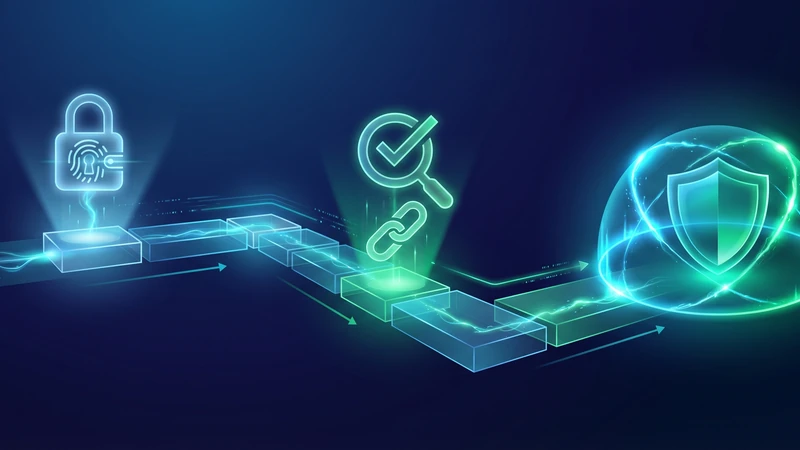
ETH to Base pre-flight checklist
Step 4: Confirm the ETH Arrives on Base Before Using It
Once the bridge completes, switch your wallet to Base and verify the balance. Only after you confirm the ETH is visible on Base should you continue into swaps, liquidity, or other on-chain actions.
Use DEXTools to research Base ecosystem assets before interacting with new pairs or volatile tokens.
Common ETH to Base Mistakes to Avoid
Mistakes that create unnecessary pain
Video Tutorial

Frequently Asked Questions
Do I need ETH on Ethereum mainnet to bridge to Base?
Yes, if you are bridging from Ethereum mainnet, you need ETH there for the bridge transaction and gas.
Can I just withdraw directly to Base from an exchange instead?
Sometimes yes, depending on the exchange and its live network support. If direct Base withdrawal is available, that can be cleaner than bridging later.
Is bridging the same as sending ETH normally?
No. Bridging is an intentional move between network contexts, not just a simple send on one chain.
Related reading
Disclaimer: This article is for educational purposes only and does not constitute investment, tax, or legal advice. Bridge interfaces, gas costs, and Base-related tooling can change over time. Always confirm the live destination chain and wallet before submitting a bridge transaction.