How to Use Sanctum on Solana: Complete Liquid Staking Tutorial (2026)
— By Tony Rabbit in Tutorials

Learn how to use Sanctum on Solana in 2026, from choosing INF or another liquid staking route to reviewing entry method, yield logic, and unstake options before you commit SOL.
Using Sanctum on Solana involves understanding your desired outcome before connecting a wallet. Decide if you want exposure to a liquid staking token (LST), specifically INF, or other LSTs, and consider your plans for DeFi utility and unwinding the position. This clarity simplifies the process and helps you use Sanctum effectively.
Sanctum is easiest to misunderstand when the interface looks calm. Liquid staking can feel simple because the first click is simple. The real decision is not the click. The real decision is whether you understand what you are turning your SOL into, why you want that position, and how you would unwind it if your plan changes.
That is why a good Sanctum workflow starts before you connect a wallet. You should know whether you want plain exposure to a liquid staking token, whether you specifically want INF, whether you care about DeFi utility after staking, and how much complexity you actually want on day one. Once those questions are clear, Sanctum becomes much easier to use well.
Quick answer
- Choose the product and outcome first: INF, another LST route, or a simple first test with small size.
- Review how you are entering, not just the headline yield. Direct staking and swap-based entry are different workflows.
- Do not chase yield until you understand how you would exit, unstake, or verify the token you received.
What Sanctum Is Best Used For
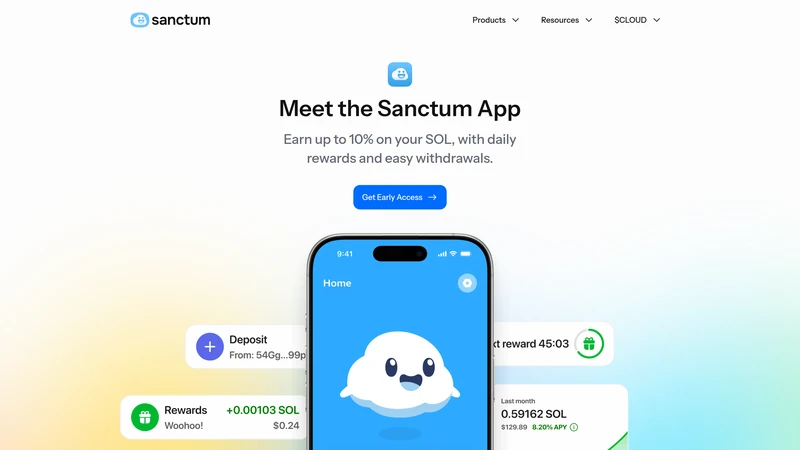
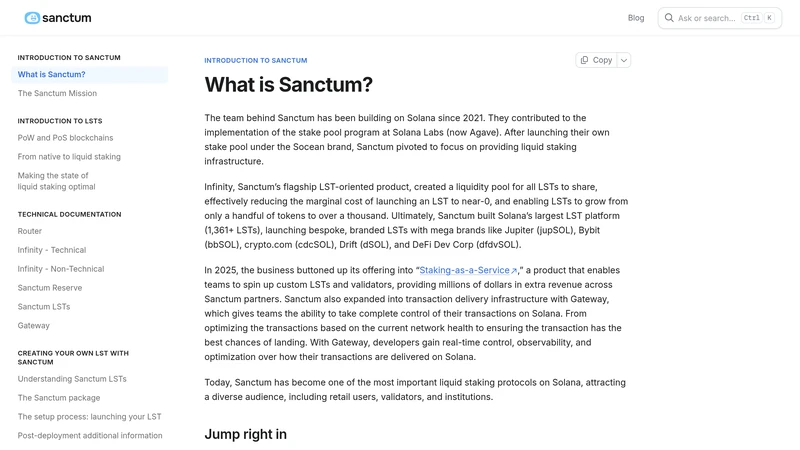
Sanctum is best used as a liquid staking workflow on Solana. The docs position the broader platform around liquid staking infrastructure, LST creation, and transaction delivery, while the app makes the retail use case much simpler to understand: stake SOL, receive a liquid staking token, and keep flexibility instead of locking yourself into a passive view-only position. For most users, that flexibility is the real product.
But flexibility only helps if you understand the token you end up holding. Sanctum is not a generic savings button. It is a decision about converting SOL into a liquid staking position that may then be held, traded, used as collateral, or unwound later. If you do not know which of those outcomes you actually want, you are not ready to optimize yield yet.
When Sanctum is a strong fit
What to Prepare Before You Stake With Sanctum
Before using Sanctum, connect the wallet that actually holds your SOL and make sure it has enough balance for normal Solana transaction flow. Then decide whether you want to use the direct staking route or an alternate market path when available. That choice matters because entry method, receive amount, and convenience are part of the trade-off. You should also decide in advance whether the resulting LST is something you plan to simply hold or use elsewhere in DeFi after the stake is complete.
The four checks that matter before you use Sanctum
How to Use Sanctum Step by Step
Start by connecting your wallet and opening the stake flow with the specific token outcome in mind. If you want INF, treat that as an intentional strategy choice, not just the default option on the page. Enter a small amount first if this is your first time using Sanctum, then review the expected receive amount, the staking method, and any notes about how the product works before confirming the transaction. A calm first test tells you much more than a rushed full-size deposit.
Once the transaction is complete, verify the resulting token in the wallet and make sure you understand what changed. You are no longer looking at raw SOL in the same way. You are now holding a liquid staking position with its own utility, liquidity profile, and risk trade-offs. At that point, either stop and hold it, or move into a second action only if you already planned that second action before you clicked stake.
A safer Sanctum workflow
Common Sanctum Mistakes to Avoid
Most Sanctum mistakes are not technical failures. They are sequencing mistakes. Users see the yield number first, skip the product choice, and only start asking questions after the token lands in the wallet. That order is backwards. Liquid staking works best when you decide the job first and the token second, not the other way around.
Mistakes that create avoidable confusion
How to Troubleshoot Stake or Token Output Confusion on Sanctum
If the result looks wrong, slow down and separate product facts from wallet anxiety. Did you choose the intended route? Are you looking for the correct token in the wallet? Are you comparing a staking receipt, an LST balance, or a market quote? Many first-time issues are really visibility issues, not protocol failures.
If the displayed amount or relationship to SOL feels surprising, revisit the app and documentation before doing anything else. Liquid staking tokens can reflect reward accrual and market behavior differently from raw SOL balances. Clean troubleshooting means confirming the selected route, the received token, and the expected use case before you try to fix a problem that may only be a misunderstanding.
Frequently Asked Questions
Is Sanctum only for INF?
No. Many users start with INF, but Sanctum is broader liquid staking infrastructure and app flow on Solana, so the important thing is choosing the route that matches your plan.
What is INF on Sanctum?
INF is Sanctum's liquid staking strategy token. The app positions it as a liquid staking strategy that combines staking-related rewards with additional trading-fee exposure.
Why is 1 INF not always equal to 1 SOL?
Because liquid staking tokens have their own exchange-rate and market-liquidity dynamics. Rewards and pricing do not have to display as a permanent one-to-one spot match.
Can I use INF in DeFi after staking?
Yes, but only after you understand the base position first. Sanctum highlights DeFi integrations, but stacking complexity too early is how beginners create unnecessary risk.
What is the safest first-time way to use Sanctum?
Start small, choose one staking route, verify the token you receive, and understand your exit path before you size up.
Related reading
Disclaimer: This article is for educational purposes only and not financial, legal, or tax advice. Liquid staking routes, yields, liquidity, and interface details can change. Always verify live product details before staking significant size.
Related Guides
- What Is Rocket Pool (rETH): Complete Liquid Staking Guide (2026)
- What Is Lombard Finance? LBTC Bitcoin Liquid Staking Guide 2026
- What Is Liquid Staking in Crypto? Complete Beginner's Guide (2026)
- Lido on Ethereum: stETH, wstETH and Dual Governance Explained (2026)
- What Is Lido Finance? Liquid Staking, stETH and LDO Explained (2026)