What Is a Satoshi? Bitcoin's Smallest Unit Explained (2026)
— By Whatsertrade in Tutorials
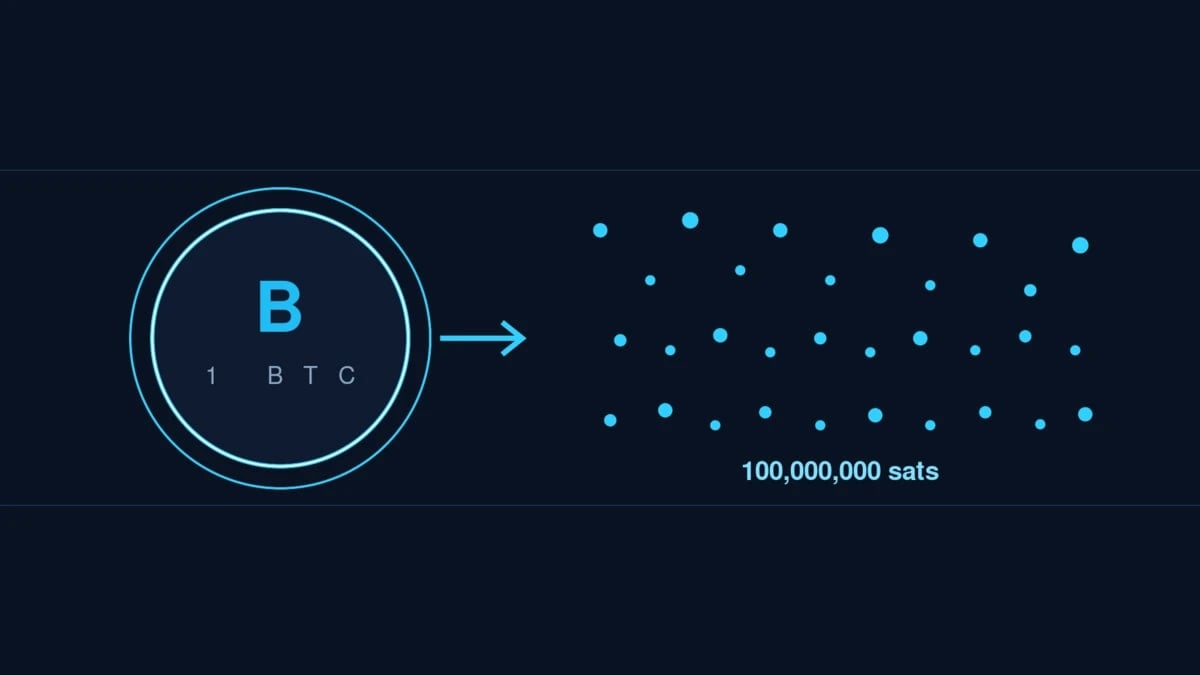
A satoshi is the smallest unit of Bitcoin. Why 1 BTC is 100,000,000 sats, where the name comes from, and how sats are used every day.
Intent check: This is the plain-English guide to the satoshi, the smallest unit of Bitcoin. For the bigger picture of the asset itself, read What Is Bitcoin.
You do not have to buy a whole Bitcoin. In fact, almost nobody thinks in whole coins for small amounts, because Bitcoin is divisible into a hundred million tiny pieces. Each of those pieces is a satoshi, and once you understand it, prices, fees, and the whole idea of buying a slice of Bitcoin suddenly make a lot more sense.
This guide explains what a satoshi is, how it relates to one Bitcoin, why Bitcoin is divisible at all, where the name comes from, how satoshis show up in everyday use, and how the unit compares to the smallest units on other networks.
What Is a Satoshi?
A satoshi, often shortened to sat, is the smallest unit of Bitcoin that the network records. Just as a dollar is made up of cents, one Bitcoin is made up of satoshis, only far more of them. It is the base unit that Bitcoin balances are actually counted in behind the scenes, with the familiar whole-coin figure just being a friendlier way to display it.
So when your wallet shows a fraction of a Bitcoin, what it is really holding is a whole number of satoshis, displayed with the decimal point moved for readability.
One Bitcoin Is 100,000,000 Satoshis
The exact relationship is fixed: one Bitcoin equals one hundred million satoshis. That means Bitcoin has eight decimal places, and a single satoshi is 0.00000001 BTC. This is the same idea as the base units behind any token, explained in What Are Token Decimals, except Bitcoin fixes its divisibility at eight decimals rather than the eighteen common on Ethereum.
1 BTC = 100,000,000 sats. So 100 sats is 0.000001 BTC, and half a Bitcoin is 50,000,000 sats. The whole coin is just the display. The satoshi is the real counting unit.
Why Bitcoin Is Divisible
Fine divisibility exists for a simple reason: a currency needs to handle small amounts. If a single Bitcoin becomes very valuable, being able to spend or hold a tiny fraction of one is essential for everyday use. Dividing each coin into a hundred million parts gives Bitcoin plenty of room to represent both large sums and very small ones without ever needing a decimal you cannot express.
Where the Name Comes From
The unit is named after Satoshi Nakamoto, the pseudonymous creator of Bitcoin. As the community grew, people wanted a natural word for the smallest slice of a coin, and naming it after Bitcoin's founder stuck. Today satoshi, or sat, is used everywhere in Bitcoin, from wallets to exchanges to casual conversation.
Satoshis in Everyday Use
- Stacking sats. Buying small amounts of Bitcoin regularly is often called stacking sats, because you are accumulating satoshis rather than whole coins.
- Pricing small things. Tiny purchases and tips are naturally quoted in sats, which are easier to read than a long string of zeros after a decimal point.
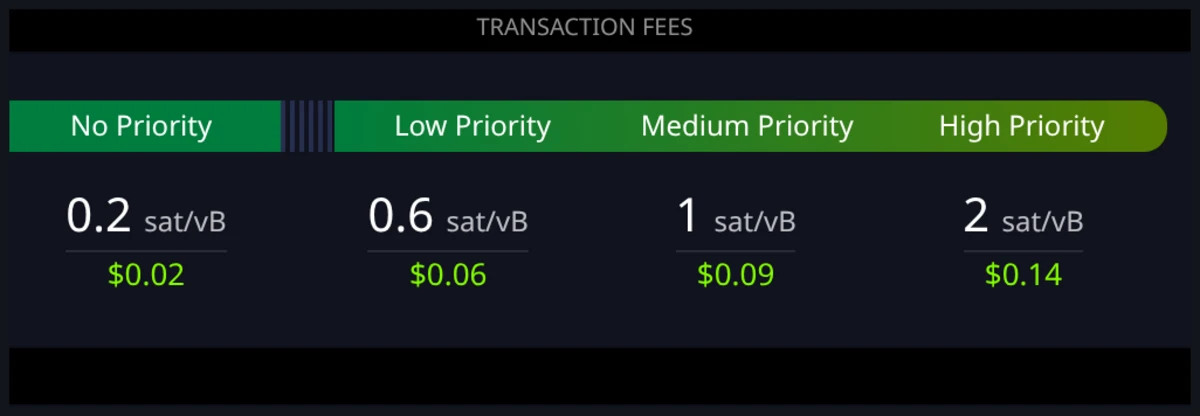
- Transaction fees. Bitcoin network fees are measured in satoshis per virtual byte, a rate that tells you how much you are paying for the space your transaction takes up. This is Bitcoin's version of the gas fee idea.
Sats vs Other Networks' Smallest Units
Every network has a base unit like this. Bitcoin has the satoshi, with eight decimals, so one Bitcoin is a hundred million of them. Ethereum's smallest unit is the wei, and it goes much finer, with one ether equal to a billion billion wei, eighteen decimals in total. The principle is identical everywhere: balances are stored as whole numbers of a tiny base unit, and the round figure you see is just that number shown with the decimal point moved.
Key Takeaways
- A satoshi, or sat, is the smallest unit of Bitcoin, the base unit balances are really counted in.
- One Bitcoin equals 100,000,000 satoshis, so Bitcoin has eight decimal places.
- Fine divisibility lets Bitcoin handle both very large and very small amounts.
- The unit is named after Bitcoin's creator, Satoshi Nakamoto.
- Sats appear in stacking, in small prices, and in fees measured as satoshis per virtual byte.
The satoshi turns Bitcoin from an all-or-nothing asset into something you can own a sliver of, save up slowly, and spend in tiny amounts. It is the humble unit doing the real accounting under every Bitcoin balance you will ever see. So the next time you buy a fraction of a coin, think in sats: you are stacking the smallest pieces of the biggest cryptocurrency, one hundred-millionth at a time.
This article is educational and is not financial advice.