暗号資産のブルランとベアマーケットとは (2026)
— By Tony Rabbit in Tutorials

ブルランvsベアマーケット解説。
If you have spent any time in cryptocurrency, you have heard the terms "bull run" and "bear market" thrown around constantly. These two market phases define the rhythm of crypto investing, and understanding them is arguably the single most important skill you can develop as a trader or long-term holder. A bull run in crypto refers to a sustained period of rising prices, growing optimism, and increasing adoption. A bear market is the opposite: a prolonged decline in prices, widespread fear, and capitulation among retail investors. Both phases are inevitable, cyclical, and packed with opportunity if you know what you are doing.
This guide breaks down everything you need to know about bull runs and bear markets in crypto for 2026. We will cover the history, the psychology, the technical indicators, and the exact strategies that seasoned traders use to profit in both directions. Whether you are brand new to crypto or a veteran looking to refine your approach, this is the resource you have been looking for.

What Is a Bull Run in Crypto?
A bull run in crypto is a sustained period where prices are rising, investor confidence is high, and buying pressure consistently outweighs selling pressure. The term comes from the way a bull attacks, thrusting its horns upward. In a crypto bull run, everything feels like it is going up. Bitcoin leads the charge, altcoins follow with even more aggressive gains, and social media fills with stories of people turning small investments into life-changing money.
During a bull run, you will typically see:
Bitcoin Market Cycles History
- Rising prices across the board: Bitcoin, Ethereum, and most altcoins trend upward for weeks or months at a time
- Increasing trading volume: More money flows into exchanges as new investors enter the market
- Mainstream media coverage: News outlets start covering crypto when prices hit new all-time highs
- FOMO (Fear of Missing Out): The dominant emotion. Everyone wants in because prices keep climbing
- New all-time highs: Bitcoin and major altcoins break previous price records repeatedly
- Altcoin season: Smaller cryptocurrencies often outperform Bitcoin during late-stage bull runs, sometimes gaining 10x to 100x
- Increased adoption: Companies, institutions, and even governments begin engaging with crypto more actively
Bull runs do not go straight up. They feature pullbacks of 20-40% that shake out weaker hands before continuing higher. These corrections within a bull market are completely normal and often provide the best buying opportunities for traders who understand how to read crypto charts effectively.
What Is a Bear Market in Crypto?
A bear market in crypto is a prolonged period of declining prices, negative sentiment, and reduced market participation. The name comes from the way a bear swipes its paw downward. In crypto, bear markets are brutal. Prices can drop 70-90% from their peaks. Projects that seemed revolutionary during the bull run collapse entirely. Trading volume dries up. And the prevailing mood shifts from euphoria to despair.

Key characteristics of a crypto bear market include:
- Sustained price declines: Not just a 20% dip, but a 50%+ drop from all-time highs lasting months or even years
- Capitulation: Investors sell at massive losses because they cannot take the pain anymore
- Fear and uncertainty: The dominant emotions. People question whether crypto has a future
- Reduced media coverage: Mainstream outlets stop covering crypto or only report on crashes and scams
- Project failures: Weaker cryptocurrencies and protocols lose funding, users, and eventually shut down
- Low trading volume: Fewer people are actively buying and selling
- Developer exodus: Some builders leave the space, while the most committed continue building
Bear markets are where fortunes are made, even though it does not feel like it at the time. The investors who dollar cost average during bear markets and accumulate quality assets at discounted prices are the ones who profit the most when the next bull run arrives.
Historical Crypto Market Cycles: A Complete Timeline
Crypto markets have followed a remarkably consistent pattern of bull runs followed by bear markets. Each cycle has been larger than the last, both in terms of peak prices and the depth of subsequent crashes. Understanding these historical cycles is essential for navigating the current market.
2013 - 2014
The First Major Cycle
Bull Run Peak
$1,200
Nov 2013
Bear Market Bottom
$200
Jan 2015 | -83%
2017 - 2018
The ICO Boom and Bust
Bull Run Peak
$20,000
Dec 2017
Bear Market Bottom
$3,200
Dec 2018 | -84%
2020 - 2022
The Institutional Wave
Bull Run Peak
$69,000
Nov 2021
Bear Market Bottom
$15,500
Nov 2022 | -77%
2024 - 2025
The ETF Era
Bull Run Peak
$126,000
Jan 2025
Current Phase
Correction in Progress
Monitoring key support levels
The pattern is clear. Each bull run has taken Bitcoin to a new all-time high that was orders of magnitude above the previous cycle peak. And each bear market, while devastating in percentage terms, has bottomed at a level significantly higher than the previous cycle bottom. This expanding range is what long-term Bitcoin investors often refer to as "higher highs and higher lows" on a macro scale.
The Bitcoin Halving Cycle: The Engine Behind Bull Runs
One of the most important drivers of crypto bull runs is the Bitcoin halving event. Approximately every four years (every 210,000 blocks), the reward that Bitcoin miners receive for validating transactions is cut in half. This programmatic reduction in new Bitcoin supply has historically preceded every major bull run.
Here is how the halving cycle has played out:
- First Halving (November 2012): Block reward dropped from 50 BTC to 25 BTC. Bitcoin went from ~$12 to $1,200 within the following year
- Second Halving (July 2016): Block reward dropped from 25 BTC to 12.5 BTC. Bitcoin went from ~$650 to $20,000 within 18 months
- Third Halving (May 2020): Block reward dropped from 12.5 BTC to 6.25 BTC. Bitcoin went from ~$8,700 to $69,000 within 18 months
- Fourth Halving (April 2024): Block reward dropped from 6.25 BTC to 3.125 BTC. Bitcoin rallied from ~$64,000 to $126,000 within 9 months
The logic is straightforward: when the supply of new Bitcoin entering the market gets cut in half while demand stays the same or increases, the price must rise. This supply shock typically takes 6-18 months to fully manifest in price action, which is why bull runs tend to peak 12-18 months after a halving.
Understanding the halving cycle is fundamental if you want to invest in cryptocurrency with a strategic, long-term approach rather than relying on guesswork.
What Causes a Bull Run in Crypto?
While the halving cycle provides the supply-side foundation, multiple factors converge to create a full-blown crypto bull run. Understanding these catalysts helps you identify when the next bull market might be forming.
1. Macroeconomic Conditions
Loose monetary policy, low interest rates, and quantitative easing create an environment where risk assets like crypto thrive. When central banks flood the system with liquidity, some of that capital finds its way into Bitcoin and altcoins. The 2020-2021 bull run was largely fueled by the massive monetary stimulus following the COVID-19 pandemic, which injected trillions of dollars into the global economy.
2. Institutional Adoption
When major corporations, hedge funds, and financial institutions begin allocating capital to crypto, it brings both legitimacy and massive buying pressure. The 2024-2025 cycle saw the launch of spot Bitcoin ETFs in the United States, which attracted over $100 billion in assets under management within their first year. This institutional demand created sustained upward pressure on prices.
3. Regulatory Clarity
Positive regulatory developments reduce uncertainty and encourage investment. Clear frameworks for crypto taxation, custody, and trading give institutional investors the confidence they need to deploy capital. Conversely, regulatory crackdowns can trigger sell-offs and contribute to bear market conditions.
4. Technological Innovation
New use cases and technological breakthroughs attract fresh capital. The 2017 ICO boom, the 2020 DeFi summer, the 2021 NFT craze, and the 2024-2025 tokenization of real-world assets each brought waves of new users and investment into the ecosystem.
5. Market Sentiment and FOMO
Once prices start rising, media coverage increases, which brings in retail investors, which pushes prices higher, which generates more media coverage. This positive feedback loop accelerates during the later stages of a bull run and is one of the most powerful forces in crypto markets.
What Causes a Bear Market in Crypto?
Bear markets do not happen overnight. They are typically triggered by a combination of factors that shift the balance from buying pressure to selling pressure.
1. Tightening Monetary Policy
When central banks raise interest rates and reduce liquidity, risk assets suffer. Higher interest rates make traditional investments like bonds more attractive relative to volatile assets like crypto. The 2022 bear market was significantly accelerated by the Federal Reserve's aggressive rate hike cycle.
2. Major Market Events and Collapses
The failure of major crypto entities can trigger cascading liquidations and panic selling. The collapse of Terra/LUNA in May 2022 wiped out $40 billion in value and set off a chain reaction that took down Three Arrows Capital, Celsius, Voyager, and eventually FTX. These events destroyed confidence and deepened the bear market significantly.
3. Regulatory Crackdowns
Government actions against crypto exchanges, projects, or activities can trigger sharp sell-offs. China's repeated bans on crypto mining and trading, SEC enforcement actions in the US, and restrictive policies in various countries have all contributed to bearish sentiment at different points in crypto history.
4. Overextended Leverage
When too many traders are using borrowed money to bet on rising prices, even a small downturn can trigger a cascade of liquidations. Each liquidation pushes the price lower, which triggers more liquidations, creating a destructive spiral. Learning how to day trade crypto responsibly means understanding leverage risk.
5. Exhausted Retail Interest
Bull runs end when there are no more new buyers. Once the last wave of retail investors has entered and all the "easy money" stories have been told, buying pressure dries up. Smart money starts taking profits, and the transition from bull to bear begins.
How to Identify a Bull Run: Technical Indicators
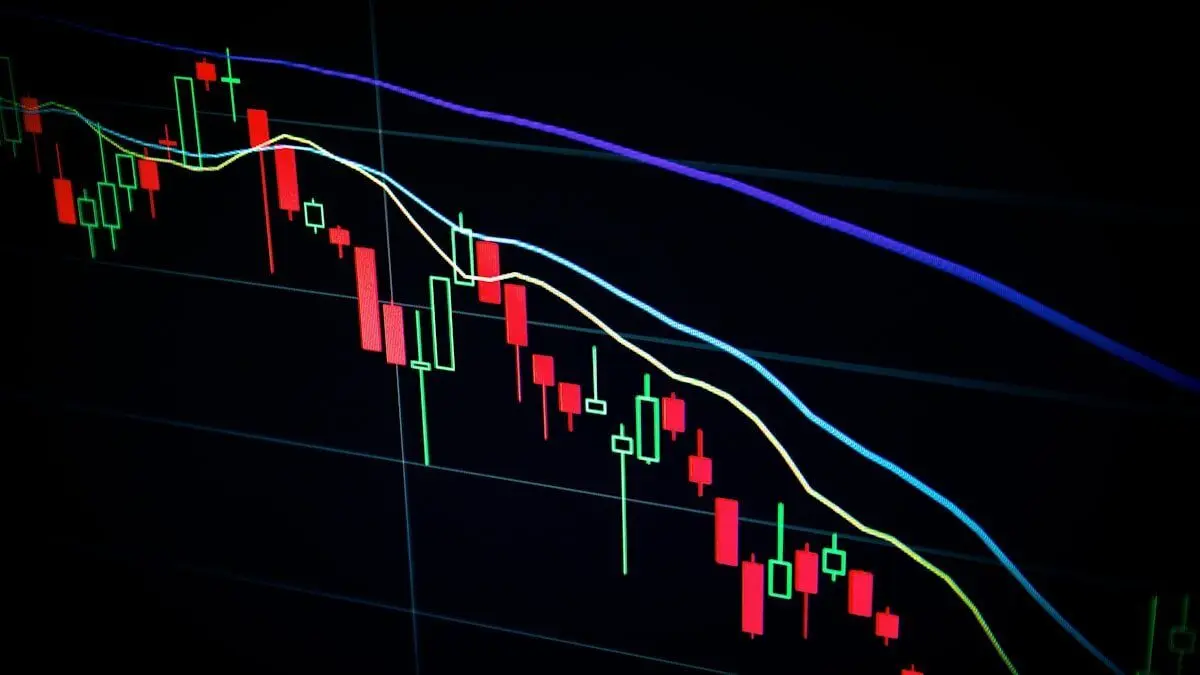
Rather than relying on gut feeling or social media hype, experienced crypto traders use specific technical indicators and on-chain metrics to identify whether the market is in a bull phase. If you want to develop these skills further, our guide on how to use TradingView is essential reading.
200-Day Moving Average (200 DMA)
This is one of the most widely watched indicators in all of financial markets. When Bitcoin's price is trading above its 200-day moving average, the market is generally considered to be in a bullish trend. When it drops below, it signals bearish conditions. The 200 DMA also acts as dynamic support during bull markets and dynamic resistance during bear markets. Every major bull run in crypto history has been characterized by Bitcoin trading well above its 200 DMA for extended periods.
Relative Strength Index (RSI)
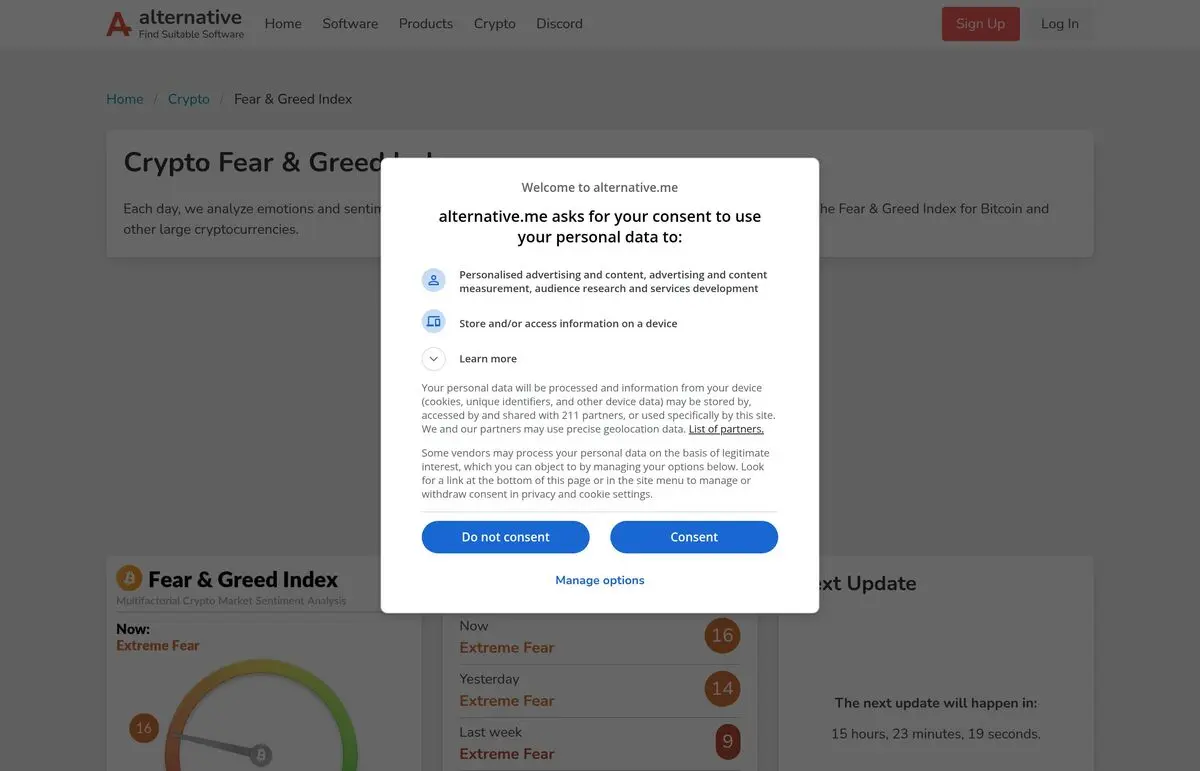
The RSI measures the speed and magnitude of price movements on a scale from 0 to 100. During bull markets, Bitcoin's weekly RSI tends to stay in the 40-90 range, frequently reaching overbought levels above 70. During bear markets, the weekly RSI typically ranges from 20-60, frequently dipping into oversold territory below 30. Sustained periods with RSI above 50 on higher timeframes generally confirm a bull trend.
On-Chain Metrics
Blockchain data provides unique insights that are not available in traditional financial markets:
- MVRV Z-Score: Compares Bitcoin's market value to its realized value. Readings above 7 historically indicate market tops, while readings below 0 indicate market bottoms
- NUPL (Net Unrealized Profit/Loss): When this metric enters the "euphoria" zone (above 0.75), it suggests the bull market is nearing its peak. When it drops into "capitulation" territory (below 0), it signals a bear market bottom may be forming
- Exchange Outflows: During bull markets, investors move crypto off exchanges into cold storage, reducing available supply. During bear markets, coins flow back to exchanges as people prepare to sell
- Active Addresses: Rising numbers of active wallet addresses indicate growing network adoption, which is bullish. Declining active addresses suggest waning interest
- Hash Rate: Bitcoin's mining hash rate tends to follow price with a lag. A rising hash rate indicates miners are confident in future price appreciation, which is bullish. Securing your holdings during these times is critical, and choosing from the best cold wallets available is a smart move
Market Dominance
Bitcoin dominance (BTC's share of total crypto market capitalization) is a useful cycle indicator. Dominance typically rises in the early stages of a bull run as Bitcoin leads the recovery. It then declines during "altcoin season" as capital rotates into smaller cryptocurrencies. Understanding the dynamic between Bitcoin and altcoins is crucial, especially when comparing options like Bitcoin vs Ethereum as investments.
Market Cycle Psychology: The Emotional Rollercoaster
Crypto market cycles are driven as much by human psychology as by fundamentals. Understanding where the market sits on the emotional spectrum can help you make better decisions. Here is how the psychological cycle typically plays out:
Market Cycle Psychology
Phase 1
Disbelief
"It's a dead cat bounce"
Phase 2
Hope
"Maybe this is real"
Phase 3
Optimism
"This is going up"
Phase 4
Belief
"I'm a genius"
Phase 5
Thrill
"I quit my job"
Phase 6
Euphoria
"To the moon!"
Phase 7
Complacency
"Just a dip"
Phase 8
Anxiety
"Something is wrong"
Phase 9
Denial
"It'll come back"
Phase 10
Panic
"I'm selling everything"
Phase 11
Capitulation
"Crypto is dead"
Phase 12
Depression
"I should have sold"
The best time to buy is during phases 10-12. The best time to sell is during phases 5-6.
The legendary investor Warren Buffett summed it up perfectly: be fearful when others are greedy, and greedy when others are fearful. In crypto, this principle is amplified because the emotions are more extreme. The euphoria phase of a crypto bull run makes the dot-com bubble look tame, and the capitulation phase of a crypto bear market makes traditional stock market crashes seem gentle.
Altcoin Seasons: When Small Caps Explode
Within every crypto bull run, there are periods known as "altcoin seasons" where alternative cryptocurrencies significantly outperform Bitcoin. Understanding the altcoin season dynamic is crucial for maximizing bull run profits.
Altcoin seasons typically follow a specific rotation pattern:
- Bitcoin leads: BTC breaks out first, establishing the bull trend. Bitcoin dominance rises from 40-45% to 55-60%+
- Large-cap altcoins follow: Ethereum and top-10 cryptocurrencies begin their run. ETH/BTC ratio starts climbing
- Mid-cap altcoins pump: Projects ranked 10-100 by market cap see massive gains, often 5-10x within weeks
- Small-cap and meme coins explode: The riskiest assets see the most extreme gains (and eventual losses). This is when 100x stories emerge
- Rotation and collapse: Eventually, capital begins flowing back to Bitcoin and stablecoins as the market matures. Building a diversified position before this rotation starts is essential, and our guide on how to build a crypto portfolio explains the process
The Altcoin Season Index, which measures whether 75% of the top 50 altcoins outperform Bitcoin over the past 90 days, is a useful tool for tracking this rotation. When the index is above 75, it signals altcoin season is in full swing. When it is below 25, Bitcoin is dominating.
Strategies for Bull Markets: Maximizing Gains
Making money during a crypto bull run seems easy, but keeping those profits is another story entirely. Most retail investors give back the majority of their bull market gains because they fail to take profits and ride the wave all the way back down. Here are the strategies that actually work.
1. Take Profits Incrementally
The single most important bull market strategy is taking profits along the way. You will never sell the exact top, and trying to is a recipe for disaster. Instead, set predetermined price targets and sell a percentage of your holdings at each level. For example, sell 10% of your Bitcoin at $80K, another 10% at $100K, another 15% at $120K, and so on. This ensures you lock in gains even if the market reverses suddenly. Knowing how to sell cryptocurrency effectively at the right time is a skill worth mastering.
2. Use Trailing Stop Losses
A trailing stop loss automatically moves your sell order up as the price increases but triggers a sale if the price drops by a certain percentage. For example, a 15% trailing stop on Bitcoin at $100K would sell your position if the price drops to $85K. If Bitcoin rallies to $120K, the stop moves up to $102K. This strategy lets you ride the trend while protecting against sudden crashes.
3. Avoid Late-Stage FOMO
The most dangerous time to invest is during the euphoria phase of a bull run, which is ironically when most retail investors enter. If your taxi driver, hairdresser, and grandmother are all talking about crypto, the top is likely near. Do not chase pumps on assets that have already gone up 500%. The risk-reward ratio at that point is terrible.
4. Rotate Profits Into Stablecoins
As the bull market matures and indicators suggest overheated conditions, gradually increase your stablecoin allocation. Moving profits into USDC, USDT, or DAI preserves your gains in dollar terms while keeping capital on-chain and ready to deploy when the bear market creates buying opportunities.
5. Stick to Quality Projects
During the euphoria phase, dozens of new tokens launch daily, each promising to be "the next Bitcoin." The vast majority of these will go to zero. Focus on projects with strong fundamentals: active development teams, real usage, solid tokenomics, and proven product-market fit. Speculation is fine with a small percentage of your portfolio, but your core holdings should be in established projects.
6. Have a Written Exit Plan
Before the bull market peak, write down your exit strategy. Specify exact prices at which you will sell specific percentages of each holding. Pin it to your wall. When euphoria takes over, your rational brain shuts down. Having a written plan removes the emotional component from critical decisions.
Strategies for Bear Markets: Surviving and Thriving
Bear markets are where real wealth is built in crypto. The investors who have the discipline and capital to accumulate during the darkest periods are the ones who generate life-changing returns in the next bull cycle. Here is how to approach a crypto bear market strategically.
1. Dollar Cost Averaging (DCA)
DCA is the most reliable bear market strategy. Rather than trying to time the exact bottom (which is virtually impossible), you invest a fixed amount at regular intervals regardless of price. If Bitcoin drops from $60K to $15K over 12 months and you invest $500 per month, you accumulate at progressively lower prices, giving you an excellent average entry. Our detailed guide on how to dollar cost average in crypto walks through the exact process.
2. Accumulate Blue-Chip Crypto
Bear markets are the time to focus on the highest-quality assets. Bitcoin and Ethereum have survived every bear market and come back stronger. During the 2022 bear market, Bitcoin dropped to $15,500. Within two years, it had reached $126,000. Accumulating BTC and ETH during periods of maximum fear has historically been the most profitable strategy in crypto.
3. Maintain a Stablecoin Reserve
Having capital ready to deploy is crucial during bear markets. Keep a significant portion of your portfolio in stablecoins so you can capitalize on steep drops and capitulation events. Some of the best buying opportunities in crypto history have been flash crashes during bear markets that lasted only hours or days.
4. Generate Yield on Your Holdings
Bear markets can last 1-2 years. During that time, your capital can still work for you through staking, lending, and liquidity provision. Earning 3-8% APY on your BTC or ETH holdings during a bear market compounds your position, so when the bull run arrives, you have more tokens at a lower cost basis. There are several ways to explore crypto passive income strategies that work regardless of market direction.
5. Use the Time to Educate Yourself
Bear markets are the best time to learn. Study how to read crypto charts, learn about on-chain analysis, understand DeFi protocols, and build the skills that will give you an edge when the next bull run begins. The people who use bear markets productively are the ones who profit the most from bull markets.
6. Avoid Panic Selling
The absolute worst thing you can do in a bear market is sell your quality holdings at the bottom. Bitcoin has "died" hundreds of times according to media reports, yet it has always recovered and reached new all-time highs. If you are holding fundamentally strong assets and have a long-term time horizon, the correct response to a bear market is to accumulate, not capitulate.
Emotional Management During Market Cycles
The biggest enemy of crypto investors is not the market itself. It is their own emotions. The extreme volatility of cryptocurrency amplifies every psychological bias that leads to poor decision-making. Here is how to manage the emotional side of crypto investing.
During Bull Markets
- Combat greed: Set profit targets in advance and stick to them. Do not move the goalposts because "this time is different"
- Resist social media pressure: Twitter, Reddit, and YouTube are echo chambers during bull markets. Everyone is a genius in a bull run. Do not let influencers convince you to hold longer than your plan dictates
- Avoid overconcentration: Do not put your entire net worth into crypto, no matter how bullish you feel. Diversification is risk management
- Remember previous cycles: Every bull run has ended. Every single one. This awareness alone can save you from euphoria-driven mistakes
During Bear Markets
- Limit chart checking: Watching your portfolio bleed red every day does nothing productive. Check prices once daily at most
- Zoom out: Look at the 4-year chart, not the 4-hour chart. Bear markets are temporary phases within a long-term uptrend
- Stay connected: Engage with quality crypto communities. Bear markets are where the true believers congregate, and those conversations are far more valuable than bull market hype
- Focus on what you can control: You cannot control the market. You can control your education, your accumulation strategy, and your emotional response
- Take breaks: If crypto is causing significant stress or anxiety, step away. The market will be there when you come back. Your mental health is worth more than any trade
Pros and Cons of Bull Markets vs Bear Markets
Bull Market Advantages
- Portfolio value grows rapidly, boosting confidence
- More trading opportunities with strong momentum
- Increased liquidity makes entering and exiting easier
- Innovation and development attract new talent
- Mainstream adoption accelerates during bull runs
Bull Market Disadvantages
- FOMO leads to buying at inflated prices
- Scams and rug pulls increase dramatically
- Unrealistic expectations lead to overleveraging
- Difficult to distinguish quality projects from hype
- Gains are unrealized until you actually sell
Bear Market Advantages
- Opportunity to accumulate quality assets at deep discounts
- Weak projects get eliminated, leaving stronger ecosystem
- Less noise makes it easier to research thoroughly
- Best time to learn and build skills for next cycle
- DCA strategy is most effective during bear markets
Bear Market Disadvantages
- Portfolio value declines 70-90% from peak
- Extreme emotional stress and anxiety
- Liquidity dries up, making large exits difficult
- Counterparty risk increases as projects fail
- Unknown duration creates planning uncertainty
Current 2026 Market Phase Analysis
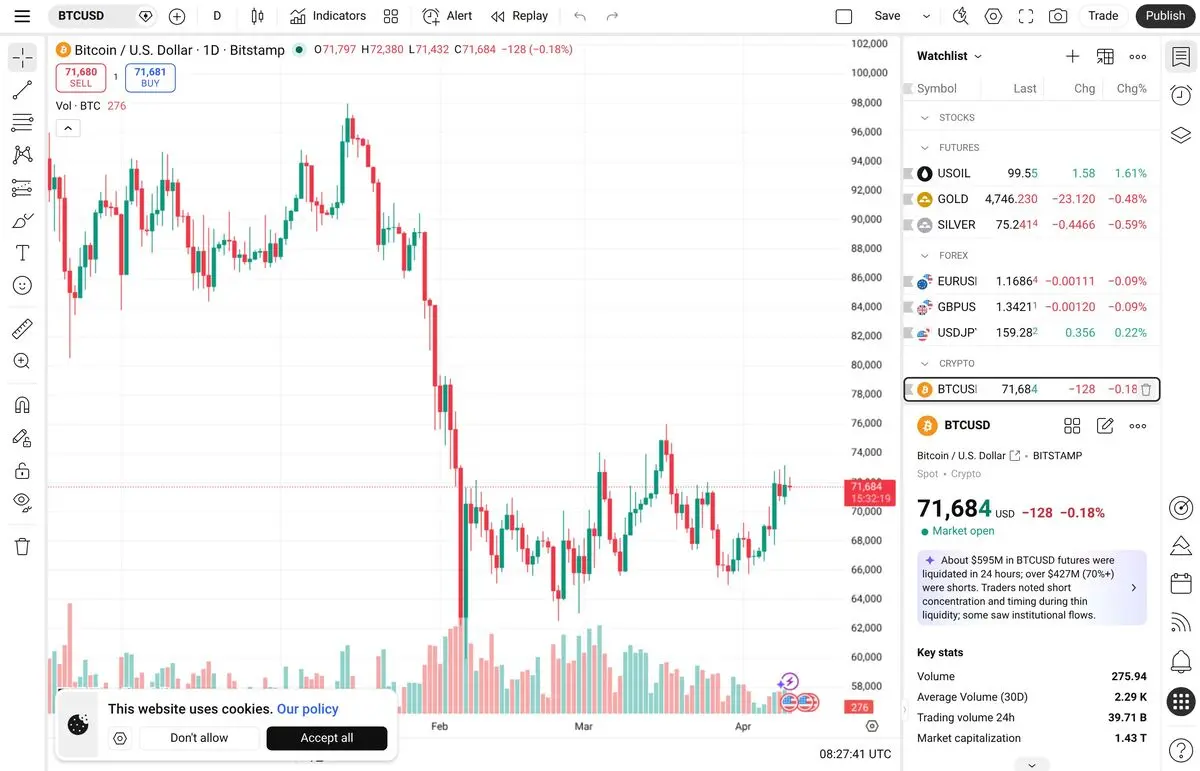
As of early 2026, the crypto market finds itself at a critical juncture. Bitcoin reached a cycle high of approximately $126,000 in January 2025, driven primarily by massive inflows into spot Bitcoin ETFs and the post-halving supply shock. Since that peak, the market has entered a correction phase that has many investors questioning whether this is a healthy pullback within an ongoing bull market or the beginning of a new bear cycle.
Several key indicators suggest the current correction is more likely a mid-cycle pullback rather than the start of a full bear market:
- Halving cycle timing: Previous bull markets have peaked 12-18 months after the halving. The April 2024 halving puts the theoretical cycle peak window in late 2025 to mid-2026, meaning the current correction may be a pause before a final leg up
- Institutional demand remains strong: Bitcoin ETF inflows have continued, albeit at a slower pace. Institutional holders are not liquidating positions en masse, which is different from a true bear market
- On-chain indicators are mixed: The MVRV Z-Score has pulled back from overheated levels but has not entered the bear market zone. Long-term holder supply is stable, suggesting conviction remains high
- Macro environment: Interest rate cuts by major central banks throughout 2025 have provided a supportive backdrop for risk assets. If monetary easing continues, it creates favorable conditions for crypto
- Regulatory progress: The broader regulatory framework for crypto continues to mature, reducing one of the traditional bear market catalysts
However, several risks could tip the market into a more prolonged downturn:
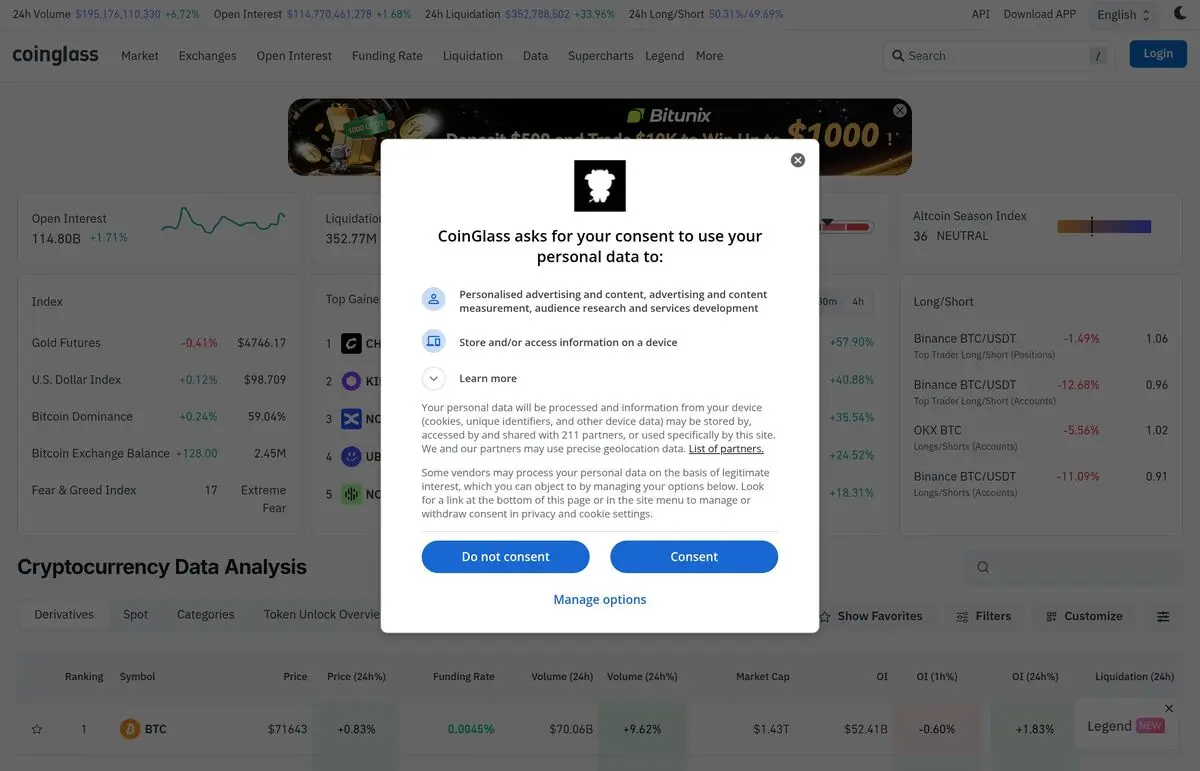
- Overleveraged positions: The derivatives market shows elevated funding rates and open interest, which increases the risk of cascading liquidations
- Geopolitical uncertainty: Trade tensions, regional conflicts, and political instability could trigger a risk-off move across all asset classes
- Regulatory surprises: While the overall trajectory is positive, unexpected enforcement actions or restrictive legislation could dampen sentiment
- Market fatigue: After a significant run-up, some degree of distribution by early buyers is natural and expected
The prudent approach in this environment is to maintain a balanced portfolio, keep a stablecoin reserve for buying opportunities, and use the strategies outlined earlier in this guide. Understanding how to invest in cryptocurrency with a long-term perspective is more valuable than ever in this uncertain but opportunity-rich market.
Key Metrics to Track for Identifying Market Transitions
Recognizing the transition from bull to bear (or bear to bull) early gives you a significant edge. Here are the most reliable transition indicators:
Bull to Bear Transition Signals
- Bitcoin drops below its 200-day moving average and fails to reclaim it within 2-3 weeks
- Weekly RSI breaks below 40 for the first time since the bull market began
- Major support levels that held multiple times during the bull run break decisively
- Exchange inflows spike as investors move coins to sell
- Stablecoin market cap grows rapidly as traders de-risk
- Funding rates on futures turn persistently negative
- Google Trends for "Bitcoin" and "crypto" begin a sustained decline
- Multiple high-profile project failures or exchange issues occur in quick succession
Bear to Bull Transition Signals
- Bitcoin reclaims its 200-day moving average and turns it into support
- Weekly RSI breaks above 50 and holds for consecutive weeks
- Exchange outflows increase as investors move to cold storage for long-term holding
- Long-term holder supply begins increasing, indicating accumulation
- Hash rate reaches new all-time highs despite low prices
- Venture capital funding for crypto startups picks up
- A Bitcoin halving event occurs or is approaching
- Mainstream media declares "crypto is dead" and stops covering the space
Common Mistakes Investors Make During Market Cycles
Learning from the mistakes of others is one of the most efficient ways to improve your crypto investing results. Here are the most common errors made during each market phase.
Bull Market Mistakes
- Not taking any profits: The most common and costly mistake. Paper gains mean nothing if you never realize them
- Chasing pumps: Buying an altcoin after it has already gone up 500% because you saw it on Twitter
- Ignoring risk management: Removing stop losses because "it only goes up"
- Overleveraging: Using excessive margin to amplify gains, which amplifies losses just as effectively
- Believing "this time is different": Every cycle, people convince themselves that the bull market will never end. It always ends
- Investing money you cannot afford to lose: Taking out loans or investing rent money to buy crypto during a bull run
Bear Market Mistakes
- Panic selling the bottom: Capitulating and selling quality assets at the worst possible time
- Revenge trading: Trying to make back losses with increasingly risky trades
- Holding garbage: Refusing to sell failing altcoins because you do not want to "realize the loss"
- Sitting entirely in cash: Being so scared that you miss the accumulation opportunity
- Trying to catch falling knives: Buying large positions too early in the bear market before the real bottom
- Abandoning crypto entirely: Leaving the space during the bear market and missing the beginning of the next bull run
Building a Cycle-Proof Investment Strategy
The most successful crypto investors do not just survive market cycles. They use a framework that profits from both phases. Here is a simplified cycle strategy framework:
During late bear market / early bull market (accumulation phase):
- Deploy 60-70% of your target crypto allocation through DCA into BTC and ETH
- Reserve 20-30% for opportunistic buys during capitulation events
- Keep 10% for early-stage altcoin positions in projects with strong fundamentals
- Begin learning and planning your bull market exit strategy
During mid-bull market (markup phase):
- Continue holding core BTC and ETH positions
- Begin researching and allocating to promising altcoins for the rotation
- Set initial profit-taking targets (10-15% of holdings at each major milestone)
- Tighten risk management with trailing stops
During late bull market (distribution phase):
- Aggressively take profits, moving 40-60% of portfolio to stablecoins
- Close all leveraged positions
- Sell speculative altcoin positions entirely
- Prepare your bear market accumulation plan
During early bear market (markdown phase):
- Remain largely in stablecoins and generate yield where possible
- Begin small DCA positions after a 40-50% drawdown from the peak
- Increase DCA amounts as prices continue to fall
- Focus on education and building the skills for the next cycle
This framework, combined with the technical indicators discussed throughout this guide, creates a systematic approach to crypto investing that removes much of the emotional component. For hands-on learning with the tools used to execute this strategy, check out our guide on how to day trade crypto.
Video Explainer
Watch this video for a visual walkthrough of the concepts covered above.
Frequently Asked Questions
How long does a crypto bull run typically last?
Historically, crypto bull runs have lasted between 12 and 18 months from the initial breakout to the cycle peak. The 2017 bull run lasted approximately 12 months (January to December 2017). The 2020-2021 bull run lasted about 13 months from its breakout above the previous all-time high (December 2020 to November 2021). However, the entire uptrend from bear market lows to cycle peaks typically spans 2-3 years.
How long do crypto bear markets last?
Crypto bear markets have historically lasted 12 to 14 months from the cycle peak to the absolute bottom. The 2018 bear market lasted about 12 months (December 2017 peak to December 2018 bottom). The 2022 bear market lasted approximately 13 months (November 2021 peak to November 2022 bottom). The full recovery period from bear market bottom to new all-time high typically takes an additional 12-18 months after the bottom.
What is the average drawdown in a crypto bear market?
Bitcoin has historically experienced drawdowns of 77-84% during bear markets. The 2014 bear market saw an 83% decline, the 2018 bear market saw an 84% decline, and the 2022 bear market saw a 77% decline. Altcoins often experience even steeper declines of 90-99%, with many never recovering to their previous highs.
Can you make money during a crypto bear market?
Yes, there are several ways to profit during a bear market. Short selling and trading bearish derivatives can generate returns on downward price movements. Earning yield through staking and lending generates income regardless of price direction. And most importantly, accumulating quality assets at discounted prices through DCA positions you for massive gains when the next bull run begins. Exploring passive income strategies in crypto can help offset losses during prolonged downturns.
Is Bitcoin halving always followed by a bull run?
Historically, yes. All four Bitcoin halvings (2012, 2016, 2020, 2024) have been followed by significant bull runs within 6-18 months. However, past performance does not guarantee future results. As Bitcoin matures and the halving supply reduction becomes proportionally smaller, its impact on price may diminish over time. That said, the halving remains the strongest cycle indicator in crypto markets.
What is the best strategy for someone new to crypto?
For beginners, the best strategy is dollar cost averaging into Bitcoin and Ethereum during any market phase, with a stronger emphasis on buying during bear markets. Start with a small amount you can afford to lose, learn how to read crypto charts, understand the fundamentals of the projects you invest in, and never invest more than you can afford to lose entirely. Build knowledge before building a large position.
How do I know if we are in a bull run or bear market right now?
Check these indicators: Is Bitcoin trading above or below its 200-day moving average? Is the weekly RSI above or below 50? Are exchange outflows increasing (bullish) or inflows increasing (bearish)? Is mainstream media coverage positive or negative? Is the total crypto market cap trending up or down over a 3-6 month period? No single indicator is perfect, but the combination paints a clear picture.
Should I sell everything at the top of a bull run?
Selling 100% at the top sounds ideal but is practically impossible because nobody can consistently predict the exact top. A better approach is to incrementally take profits as prices rise, aiming to have 50-70% of your portfolio in stablecoins or fiat by the time the cycle peaks. This means you will sell some too early and perhaps some too late, but your overall outcome will be far better than holding everything through the entire cycle.
What role do stablecoins play during market cycles?
Stablecoins are essential tools for managing market cycles. During bull markets, they serve as a destination for profits, allowing you to de-risk without leaving the crypto ecosystem. During bear markets, they preserve capital in dollar terms while remaining on-chain and ready for quick deployment when buying opportunities arise. Stablecoins also enable yield farming and lending throughout all market phases.
How does leverage affect bull and bear markets?
Leverage amplifies both gains and losses. During bull markets, leveraged traders can multiply their returns, but excessive leverage across the market creates fragility. When prices reverse, leveraged positions get liquidated, which accelerates the sell-off and deepens bear markets. The crypto market's high leverage availability is a key reason why both bull runs and bear markets tend to be more extreme than in traditional markets.
Are altcoins riskier than Bitcoin during bear markets?
Significantly, yes. While Bitcoin typically drops 75-85% during bear markets, many altcoins drop 90-99% and some never recover. During the 2022 bear market, hundreds of altcoins that hit all-time highs in 2021 lost over 95% of their value. Bitcoin has survived every bear market and reached new all-time highs. The same cannot be said for the vast majority of altcoins. This is why building a properly weighted crypto portfolio with Bitcoin as the core holding is crucial.
What causes "altcoin season" during bull runs?
Altcoin season occurs when capital rotates from Bitcoin into smaller cryptocurrencies. This typically happens in the later stages of a bull run after Bitcoin has already made significant gains and early BTC investors seek higher returns in altcoins. The rotation is driven by a combination of profit-taking from Bitcoin, narrative-driven hype around specific sectors (DeFi, gaming, AI, etc.), and retail investors searching for "the next Bitcoin" at a lower price point.
How should I prepare for the next bear market?
Start preparing while the bull market is still active. Build a stablecoin reserve by taking incremental profits. Set up a DCA plan for the bear market with specific amounts and intervals. Identify the projects you want to accumulate and the price levels at which you will buy. Reduce leverage and close speculative positions. Move long-term holdings to cold storage using one of the best cold wallets. And most importantly, prepare yourself mentally for watching your portfolio decline significantly before it recovers.
Is 2026 a good time to invest in crypto?
Rather than trying to time the market perfectly, focus on your time in the market. If you are investing with a 3-5 year time horizon, any point in the current cycle is reasonable for beginning a DCA strategy. The key is to invest amounts you can afford to lose, maintain a disciplined approach, and not overcommit at any single price level. Whether we are in a late bull market or early bear market, the DCA approach ensures you will accumulate at various price points over time.
Final Thoughts
Bull runs and bear markets are the two defining features of the cryptocurrency market cycle. They are as inevitable as the tides, and understanding their rhythm is the most valuable skill you can develop as a crypto investor. The data from every previous cycle tells the same story: those who buy during fear and sell during euphoria consistently outperform those who do the opposite.
The strategies outlined in this guide are not theoretical. They are the exact frameworks used by successful cycle traders who have navigated multiple bull runs and bear markets profitably. Take profits during bull markets. Accumulate during bear markets. Manage your emotions. Use technical indicators and on-chain data to guide your decisions rather than social media hype or fear.
Whether the current market phase leads to new all-time highs or a deeper correction, you are now equipped with the knowledge to navigate either scenario. The cycle will continue. The question is whether you will be positioned to profit from it or be a victim of it. Build your plan now, write it down, and execute it with discipline. That is the difference between the investors who build generational wealth in crypto and those who watch their portfolio rise and fall without ever capturing the gains.