Que es la mineria crypto: como funciona y es rentable (2026)
— By Tony Rabbit in Tutorials

Mineria crypto explicada: PoW, ASIC vs GPU, rentabilidad 2026.
Crypto mining is the backbone of decentralized networks like Bitcoin. It is the process that validates transactions, secures the blockchain, and introduces new coins into circulation. But what is crypto mining in practical terms, and can you still make money doing it in 2026? This guide breaks down everything from the technical fundamentals to real profitability numbers so you can decide whether mining belongs in your strategy.
Whether you are considering buying your first ASIC, building a GPU rig, or simply want to understand how the coins in your cold wallet were created, this article covers it all.
What Is Crypto Mining? The Simple Explanation
At its core, crypto mining is the process of using computing power to validate and record transactions on a blockchain. Miners compete to solve complex mathematical puzzles, and the first one to find the correct solution earns the right to add a new block of transactions to the chain. In return, the miner receives a block reward (newly minted coins) plus any transaction fees included in that block.
Think of it like a global lottery that runs every few minutes. Thousands of machines guess random numbers as fast as possible. The winner gets paid, the network gets secured, and the cycle repeats. No bank, no government, no central authority is involved. That is the entire point.
Mining Hardware Types
$2K-$15K
Most profitable
$500-$2K
Flexible
Free (your PC)
Low profit
Mining serves three critical functions simultaneously:
- Transaction validation -- miners verify that senders have sufficient funds and that no double-spending occurs.
- Network security -- the computational power required to mine makes it prohibitively expensive for any attacker to manipulate the blockchain.
- Coin distribution -- mining is how new coins enter circulation in a fair and predictable way, following the protocol's emission schedule.
If you are brand new to the space, start with our guide on what is Bitcoin before diving deeper into the mining mechanics below.
How Proof of Work Mining Works
The vast majority of crypto mining operates on a consensus mechanism called Proof of Work (PoW). Here is how the process works step by step:
💡 Before You Start
Calculate your electricity costs first. Mining is only profitable if your power cost is below $0.10/kWh for most coins.
Step 1: Transaction Collection
When someone sends Bitcoin or another PoW coin, that transaction enters a waiting area called the mempool. Miners select transactions from the mempool (usually prioritizing those with higher fees) and bundle them into a candidate block.
Step 2: Building the Block Header
Each candidate block contains a header with several pieces of data: the hash of the previous block (which links it to the chain), a Merkle root summarizing all included transactions, a timestamp, the current difficulty target, and a field called the nonce.
Step 3: The Hashing Race
This is where the actual "mining" happens. The miner's hardware repeatedly hashes the block header using a cryptographic function (SHA-256 for Bitcoin). Each attempt uses a different nonce value. The goal is to find a hash output that falls below the network's difficulty target, a number with a specific number of leading zeros.
There is no shortcut. You cannot reverse-engineer the hash. You can only guess, check, and guess again. Modern Bitcoin ASICs perform hundreds of trillions of these guesses (hashes) per second.
Step 4: Difficulty Adjustment
Bitcoin adjusts its mining difficulty every 2,016 blocks (roughly two weeks). If miners are finding blocks faster than the target of one every 10 minutes, difficulty increases. If blocks are too slow, difficulty decreases. This self-regulating mechanism ensures consistent block times regardless of how much mining power joins or leaves the network.
Step 5: Block Confirmation and Reward
When a miner finds a valid hash, the block is broadcast to the network. Other nodes verify its validity and add it to their copy of the blockchain. The winning miner receives the block reward (currently 3.125 BTC after the April 2024 halving) plus all transaction fees from the included transactions.
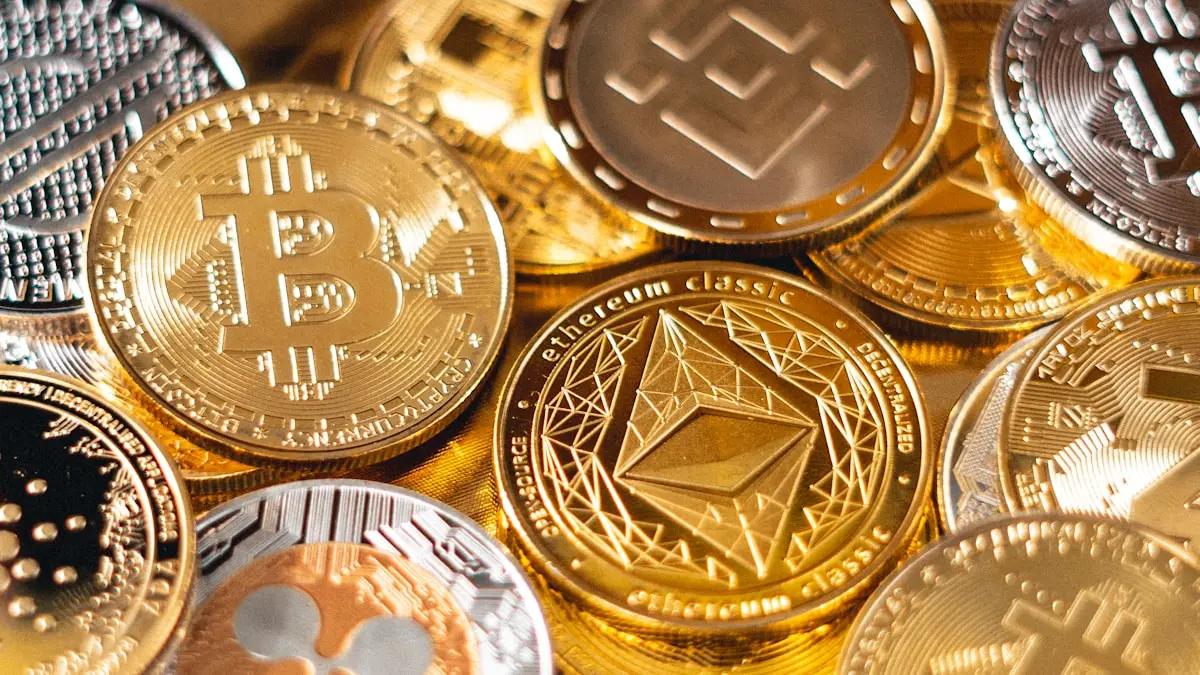
Types of Crypto Mining Hardware
Not all mining is created equal. The hardware you use determines which coins you can mine, your electricity consumption, and ultimately your profitability. Here are the four main types of crypto mining:
🔑 Key Point
The crypto ecosystem moves fast. What matters is understanding the fundamentals - those do not change regardless of market conditions.
ASIC Mining
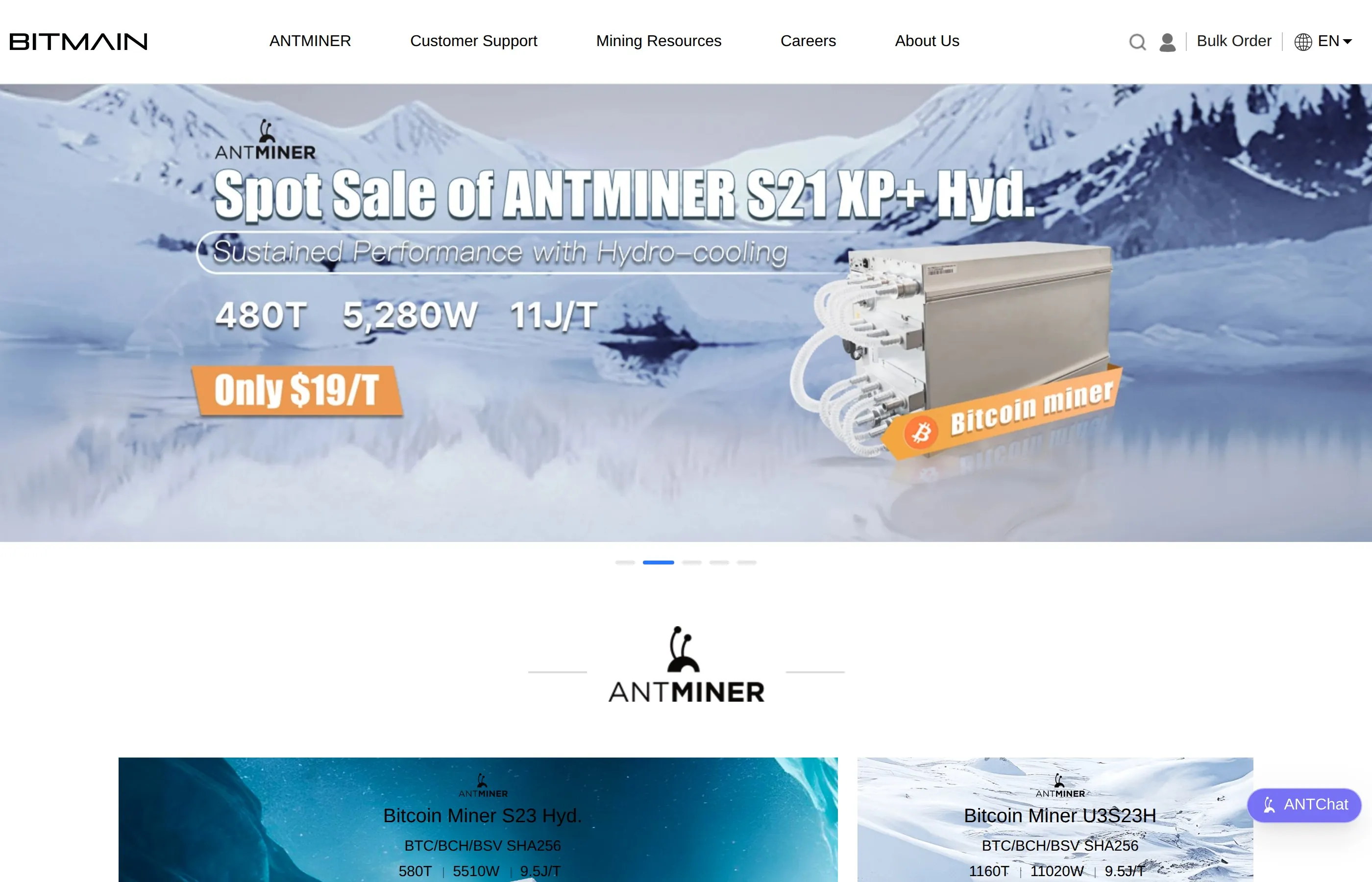
Application-Specific Integrated Circuits (ASICs) are purpose-built machines designed to mine one specific algorithm. They are extremely powerful and efficient but have zero flexibility. A Bitcoin ASIC can only mine SHA-256 coins. A Scrypt ASIC can only mine Scrypt coins. You cannot use them for anything else.
ASICs dominate Bitcoin mining and several other major networks. They offer the best hash-per-watt efficiency but come with high upfront costs, generate significant heat and noise, and become obsolete as newer models launch.
GPU Mining
Graphics Processing Unit (GPU) mining uses standard computer graphics cards to mine cryptocurrencies. GPUs are versatile and can switch between different mining algorithms and coins. This flexibility is their biggest advantage. If one coin becomes unprofitable, you can switch to another or even sell the GPU on the secondhand market.
GPU mining was once the go-to method for Ethereum, but since Ethereum's merge to Proof of Stake in September 2022, GPU miners have migrated to alternative coins. Today, GPU miners primarily target Kaspa (KAS), Alephium (ALPH), Ravencoin (RVN), and Ergo (ERG).
CPU Mining
Mining with a standard computer processor is the most accessible method but also the least profitable for most coins. A few projects like Monero (XMR) use the RandomX algorithm specifically designed to keep CPU mining competitive by resisting ASIC and GPU optimization. For most other coins, CPU mining yields negligible returns.
Cloud Mining
Cloud mining involves renting mining power from a data center rather than owning hardware. You pay a contract fee and receive a share of the mined coins. While this eliminates hardware management, electricity bills, and noise, the cloud mining space is riddled with scams. We cover this in detail later in this article.
Bitcoin Mining in 2026: Post-Halving Economics
Bitcoin mining is the largest and most competitive segment of the industry. After the April 2024 halving cut the block reward from 6.25 to 3.125 BTC, the economics shifted dramatically. Here is what the landscape looks like in 2026:
🔑 Key Point
This is where most people stop reading. If you made it this far, you understand more than 90% of crypto users. The next step is to actually try it with a small amount.
The current block reward of 3.125 BTC (worth roughly $265,000 at $85,000 per BTC) sounds enormous, but that reward is split among an entire mining pool of thousands of participants. Individual profitability depends entirely on your hash rate, electricity cost, and hardware efficiency.
Top Bitcoin ASIC Miners in 2026
| Miner | Hashrate | Power | Efficiency | Price (est.) |
|---|---|---|---|---|
| Bitmain Antminer S21 Pro | 234 TH/s | 3,510 W | 15.0 J/TH | $5,500 |
| Bitmain Antminer S21 XP | 270 TH/s | 3,645 W | 13.5 J/TH | $8,000 |
| MicroBT Whatsminer M60S+ | 212 TH/s | 3,392 W | 16.0 J/TH | $4,800 |
| Canaan Avalon A15 Series | 195 TH/s | 3,315 W | 17.0 J/TH | $4,200 |
| Bitmain Antminer S19 XP (prev gen) | 140 TH/s | 3,010 W | 21.5 J/TH | $1,500 |
The S21 Pro and S21 XP from Bitmain are currently the machines to beat. Efficiency measured in joules per terahash (J/TH) is the single most important spec because it directly determines your electricity cost per unit of hash power. The lower the J/TH, the more profitable the machine.
For a complete walkthrough on setting up your first miner, check our how to mine cryptocurrency tutorial.
GPU Mining in 2026: Which Coins Are Worth It?
GPU mining has been in a state of transition since Ethereum moved to Proof of Stake. However, several mineable coins have emerged as viable targets for GPU miners in 2026:
Kaspa (KAS)
Kaspa uses the kHeavyHash algorithm and has become one of the most popular GPU-mineable coins. Its blockDAG architecture allows for fast block times (one per second), and the project has a growing community. However, Kaspa ASICs have entered the market, which is squeezing GPU miners' profitability. If you are mining KAS with GPUs today, you are competing against increasingly efficient ASICs.
Alephium (ALPH)
Alephium runs on the Blake3 algorithm and combines Proof of Work with a sharding mechanism. It remains GPU-friendly and offers reasonable returns for miners with efficient rigs. The project's focus on scalability through sharding makes it an interesting long-term bet.
Ravencoin (RVN)
Ravencoin uses the KAWPOW algorithm, which was specifically designed to be ASIC-resistant. This keeps GPU miners competitive. RVN focuses on asset tokenization and has a loyal mining community, though its market cap and price action have been relatively flat.
Ergo (ERG)
Ergo uses the Autolykos v2 algorithm and is known for its fair launch and strong fundamentals. It remains one of the most GPU-friendly coins, and the development team has shown consistent progress. Ergo's extended UTXO model and oracle capabilities give it utility beyond simple value transfer.
GPU Mining Hardware Comparison
| GPU | VRAM | Power Draw | Best For | Used Price (est.) |
|---|---|---|---|---|
| NVIDIA RTX 4090 | 24 GB | 320 W | KAS, ALPH, ERG | $1,100 |
| NVIDIA RTX 4070 Ti | 12 GB | 285 W | KAS, RVN, ALPH | $480 |
| NVIDIA RTX 3080 | 10 GB | 320 W | RVN, ERG, ALPH | $320 |
| AMD RX 7900 XTX | 24 GB | 355 W | KAS, ERG, RVN | $650 |
| AMD RX 6800 XT | 16 GB | 300 W | RVN, ERG | $250 |
The RTX 4090 is the undisputed champion in hash-per-watt for most algorithms, but its high price means the return on investment takes longer. For budget miners, the RTX 3080 or RX 6800 XT offer the best value if you can find them at reasonable used prices.
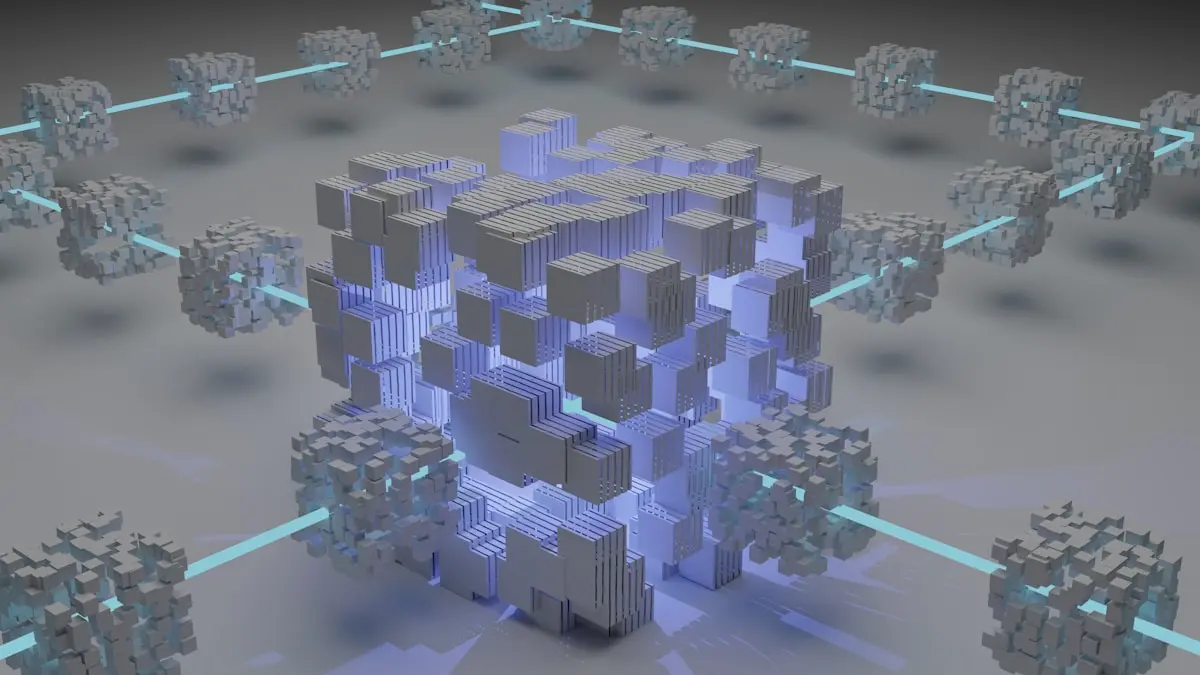
Mining Pools vs Solo Mining
When you mine, you have two options: join a pool or go solo. For the vast majority of miners, pools are the only realistic choice.
Solo Mining
Solo mining means you run your hardware independently and attempt to find blocks on your own. If you find one, you keep the entire reward. The problem is probability. On the Bitcoin network in 2026, a single S21 Pro running at 234 TH/s would statistically take over 30 years to find a single block. You could get lucky and find one tomorrow, or you could run for a decade and find nothing. Solo mining is essentially a lottery ticket.
Pool Mining
Mining pools combine the hash power of thousands of miners. When the pool finds a block, the reward is distributed among participants based on their contributed hash rate. You earn smaller, consistent payments instead of rare massive payouts. This makes income predictable and is how virtually all small and mid-sized miners operate.
Popular mining pools in 2026 include Foundry USA, AntPool, F2Pool, ViaBTC, and Braiins Pool. When choosing a pool, consider:
- Fee structure -- most pools charge 1-2% of your earnings. Some use PPS+ (Pay Per Share Plus), which offers steady payouts. Others use PPLNS (Pay Per Last N Shares), which can vary but tends to pay slightly more over time.
- Pool size -- larger pools find blocks more frequently but split the reward among more miners. Smaller pools find blocks less often but pay larger individual shares.
- Minimum payout -- check the minimum withdrawal threshold. Some pools hold your earnings until you reach a certain amount, which can tie up your funds.
- Transparency and reputation -- stick with established pools that have a track record. Check if they publish their block findings and payment records publicly.
Electricity Costs and Profitability: The Numbers That Matter
Electricity is the single largest ongoing expense in crypto mining. Your electricity rate determines whether mining is profitable or a guaranteed money pit. Here is how to calculate it:
The Basic Mining Profitability Formula
Daily Revenue = (Your Hashrate / Network Hashrate) x Daily Block Rewards x Coin Price
Daily Cost = Hardware Wattage x 24 hours x Electricity Rate per kWh
Daily Profit = Daily Revenue - Daily Cost
Real-World Bitcoin Mining Example (2026)
Let us run the numbers for a single Bitmain Antminer S21 Pro:
- Hashrate: 234 TH/s
- Power consumption: 3,510 W
- Electricity rate: $0.07/kWh (competitive industrial rate)
- Bitcoin price: $85,000
- Network hashrate: ~750 EH/s
- Daily BTC mined: approximately 0.000135 BTC (~$11.50)
- Daily electricity cost: 3.51 kW x 24h x $0.07 = $5.90
- Daily profit: $11.50 - $5.90 = $5.60
- Monthly profit: approximately $168
- ROI on $5,500 machine: roughly 33 months
At $0.07/kWh, the S21 Pro turns a modest profit. But change the electricity rate to $0.12/kWh (US residential average) and the picture shifts:
- Daily electricity cost: 3.51 kW x 24h x $0.12 = $10.11
- Daily profit: $11.50 - $10.11 = $1.39
- Monthly profit: approximately $42
- ROI: over 10 years
At residential electricity rates, the ROI becomes unrealistic. This is why serious miners relocate to regions with cheap power (Texas, Kazakhstan, Paraguay, Iceland, parts of Canada) or negotiate industrial electricity contracts.
Electricity Rate Profitability Thresholds
| Electricity Rate | S21 Pro Daily Profit | S21 Pro Monthly | Verdict |
|---|---|---|---|
| $0.03/kWh | $8.97 | $269 | Highly profitable |
| $0.05/kWh | $7.29 | $219 | Profitable |
| $0.07/kWh | $5.60 | $168 | Marginally profitable |
| $0.10/kWh | $3.08 | $92 | Barely breaking even |
| $0.12/kWh | $1.39 | $42 | Not recommended |
| $0.15/kWh | -$1.14 | -$34 | Mining at a loss |
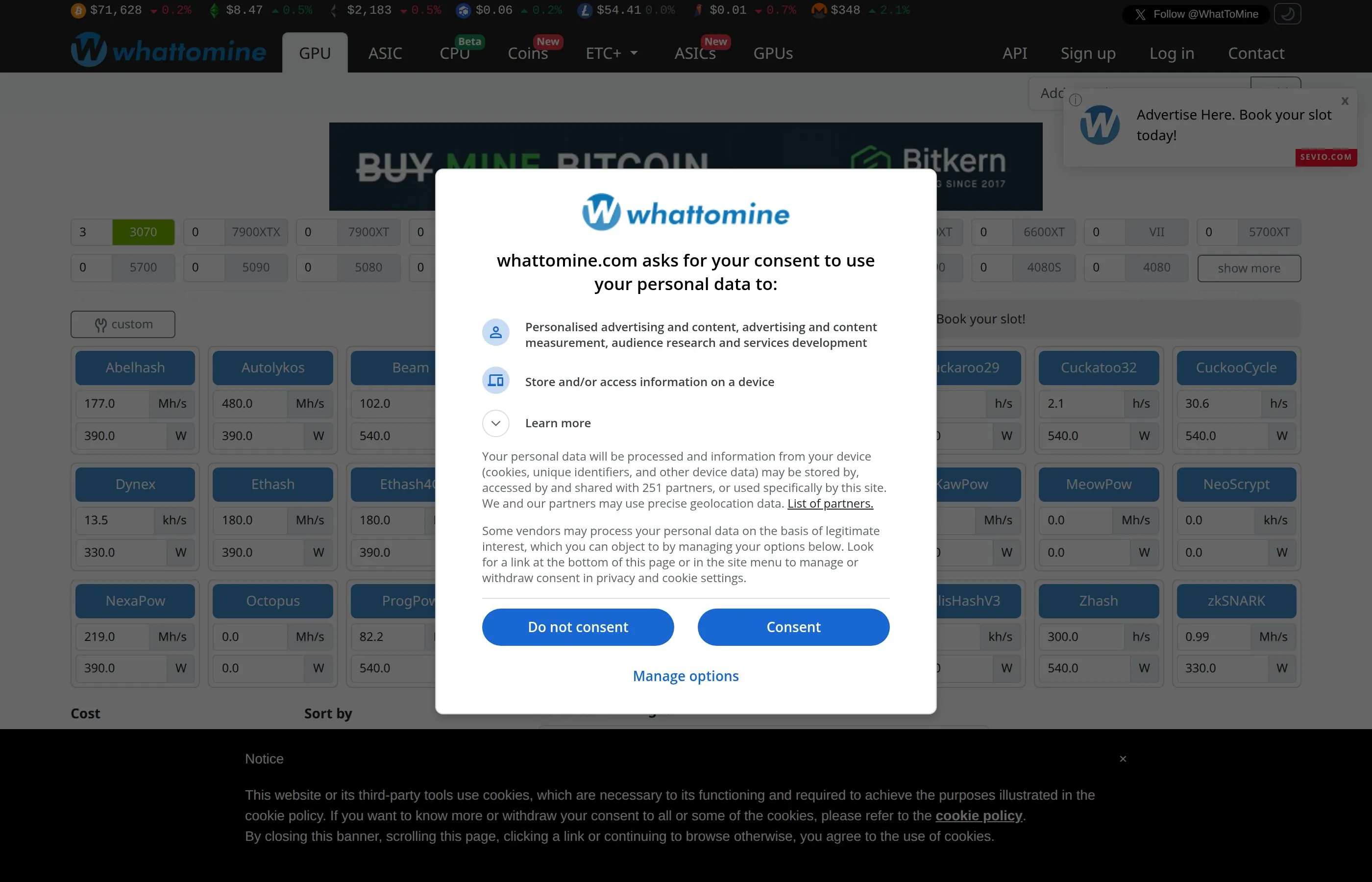
Use free online mining profitability calculators like WhatToMine, NiceHash, or CryptoCompare to plug in your exact hardware specs and local electricity rate. These tools provide up-to-date estimates based on current network conditions and coin prices. To track market prices and make informed decisions, learn how to use TradingView for real-time crypto charting.
Is Crypto Mining Still Profitable in 2026? An Honest Analysis
The honest answer: it depends entirely on your electricity cost, hardware, and which coin you mine. Here is the reality broken down by miner type:
For Bitcoin Miners
Bitcoin mining in 2026 is a game for operators with access to electricity at or below $0.06/kWh and the capital for latest-generation ASICs. The post-halving reward of 3.125 BTC means you need more hash power to earn the same dollar amount. Network difficulty has continued climbing as institutional miners deploy massive farms.
If you have cheap power and can buy S21-class machines at reasonable prices, Bitcoin mining is still profitable. If you are paying residential electricity rates, it is not. Period.
For GPU Miners
GPU mining profitability is highly variable and depends on which coin you target. Kaspa was extremely profitable through 2024, but the arrival of KAS ASICs has compressed GPU margins significantly. Coins like ALPH, RVN, and ERG still offer GPU miners a path to profitability, especially during bull markets when altcoin prices surge.
The advantage of GPU mining is optionality. You can switch coins as profitability shifts, and your hardware retains resale value. The disadvantage is that margins are thinner than ASIC mining for the coins they target.
The Hidden Costs People Forget
- Cooling -- ASICs and GPU rigs generate enormous heat. You may need ventilation, AC, or immersion cooling, all of which add to operating costs.
- Maintenance -- hardware fails. Fans die, hash boards burn out, power supplies pop. Budget 5-10% of hardware cost annually for repairs.
- Downtime -- every hour your miner is offline for updates, repairs, or power outages is lost revenue.
- Difficulty increases -- as more hash power joins the network, your share of block rewards decreases even if your hardware stays the same.
- Hardware depreciation -- an ASIC that costs $5,500 today may be worth $2,000 in 18 months when the next generation launches.
Cloud Mining: Proceed With Extreme Caution
Cloud mining promises a hands-off approach to crypto mining. You pay a contract fee, a company runs the hardware, and you receive your share of the mined coins. In theory, this removes the complexity of hardware management, electricity, and maintenance.
In practice, the cloud mining space has been one of the most scam-ridden sectors in crypto. Here is what you need to know:
Red Flags of Cloud Mining Scams
- Guaranteed returns -- no legitimate mining operation can guarantee specific returns. Mining revenue depends on network difficulty, coin price, and other variables that nobody controls.
- Unrealistic ROI promises -- if a contract promises 200% annual returns, it is a scam. Legitimate mining margins are typically 30-60% at best.
- No proof of hardware -- legitimate cloud mining companies show their facilities, publish their hash rate on public block explorers, and allow audits. If a company cannot prove its mining infrastructure exists, avoid it.
- Referral-heavy business model -- if the company pushes recruiting new investors more than it discusses mining operations, it is likely a Ponzi scheme wearing a mining costume.
- Contracts with exit restrictions -- watch out for long lock-up periods with no early termination option. This is a classic tactic to prevent users from withdrawing before the scam collapses.
Potentially Legitimate Cloud Mining Options
A few larger companies like NiceHash (which operates more as a hash power marketplace), Braiins, and some publicly traded mining firms offer hash rate contracts with more transparency. Even with these, your returns will almost always be lower than operating your own hardware due to the company's margin. Cloud mining is best viewed as a convenience product with lower returns, not a path to wealth.
Environmental Impact of Crypto Mining
Crypto mining's energy consumption is one of the most debated topics in the industry. Bitcoin alone consumes roughly 150-180 TWh of electricity annually in 2026, comparable to the energy usage of a mid-sized country. This has drawn criticism from environmental groups and policymakers worldwide.
However, the picture is more nuanced than the headlines suggest:
- Renewable energy adoption -- data from the Bitcoin Mining Council indicates that approximately 60% of Bitcoin mining now uses renewable energy sources including hydroelectric, solar, wind, and geothermal. Many mining operations specifically seek out stranded renewable energy that would otherwise go unused.
- Methane mitigation -- some miners are capturing methane from oil drilling operations, landfills, and agricultural waste to power their equipment. This actually reduces net greenhouse gas emissions since methane is far more potent than CO2 as a greenhouse gas, and flaring or venting it is standard industry practice.
- Grid stabilization -- in regions like Texas, Bitcoin miners act as flexible load that can be curtailed during peak demand. Miners power down during heat waves or winter storms, freeing up electricity for residential use. In return, they receive cheaper rates during off-peak hours. This demand response actually helps stabilize the grid.
- The Proof of Stake alternative -- Ethereum's move to PoS in 2022 reduced its energy consumption by over 99%. Other networks have followed. PoS eliminates the need for mining hardware entirely. Learn how this works in our Ethereum staking guide.
The environmental debate is not settled, but the industry is trending toward cleaner energy sources. If environmental impact concerns you, consider staking-based networks or mining operations that use verifiable renewable energy.
Mining Taxes: What You Owe
Crypto mining has tax implications that many miners overlook until it is too late. In most jurisdictions, mined coins are treated as income at the time they are received, based on their fair market value at that moment. Here is a general overview:
- Income tax on mined coins -- when you mine and receive a coin, the fair market value at the time of receipt is taxable income. If you mine 0.01 BTC when Bitcoin is at $85,000, you owe income tax on $850.
- Capital gains on sale -- when you later sell or trade the mined coin, any price difference from your cost basis (the value when mined) is a capital gain or loss.
- Business deductions -- if you mine as a business (which most serious miners should), you can deduct hardware costs (depreciation), electricity, rent, cooling, internet, and other related expenses.
- Self-employment tax -- in the US, mining income may be subject to self-employment tax in addition to income tax if you are mining as a sole proprietor.
- Record keeping -- you need detailed records of every coin mined, the date and time, the fair market value, and any associated expenses. Mining pool payout records are essential. Use crypto tax software to automate this tracking.
Tax treatment varies significantly by country. Some jurisdictions like Portugal, the UAE, and certain Southeast Asian nations have more favorable crypto tax regimes. For a comprehensive breakdown by jurisdiction, read our crypto tax guide for every country.
Alternatives to Mining: Other Ways to Earn Crypto Passively
If the cost, complexity, or environmental concerns of mining give you pause, several alternatives offer passive crypto income without hardware:
Staking
Proof of Stake networks like Ethereum, Solana, Cardano, and Polkadot allow you to lock up your coins to help validate transactions. In return, you earn staking rewards, typically 3-8% annually depending on the network. Staking requires no specialized hardware and uses negligible energy. Our how to stake Ethereum guide walks through the process step by step.
Yield Farming and DeFi
Decentralized finance protocols allow you to lend, provide liquidity, or participate in various strategies to earn yield on your crypto holdings. Returns vary widely from conservative (3-5% on stablecoin lending) to aggressive (20%+ on volatile liquidity pools with impermanent loss risk).
Running Validator Nodes
Beyond simple staking, running a full validator node for networks like Ethereum (requires 32 ETH) or other PoS chains can earn additional rewards. This requires technical knowledge and reliable uptime but no mining hardware.
For a broader look at all your options, see our roundup of top crypto passive income strategies.
How to Get Started With Crypto Mining
If you have decided mining is right for you, here is a condensed roadmap to get up and running:
- Calculate your electricity cost -- check your power bill and find your per-kWh rate. This single number will determine whether mining makes sense for you. If you are above $0.10/kWh, think carefully before investing.
- Choose your target coin -- Bitcoin requires ASICs. GPU-mineable coins include KAS, ALPH, RVN, and ERG. CPU-mineable options are limited to Monero and a few niche projects.
- Select your hardware -- use the tables above as a starting point. For Bitcoin, the S21 Pro offers the best balance of efficiency and cost. For GPU mining, the RTX 4090 or RTX 4070 Ti are top choices.
- Set up a wallet -- you need a wallet for the coin you are mining to receive payouts. For long-term holding, use a hardware wallet for maximum security.
- Join a mining pool -- solo mining is not realistic for most people. Register with a reputable pool for your chosen coin.
- Install mining software -- for ASICs, this is typically pre-installed firmware. For GPU mining, popular options include lolMiner, TeamRedMiner, and GMiner.
- Monitor and optimize -- track your hashrate, temperatures, and earnings daily. Adjust overclocks and power limits to maximize efficiency.
For the full step-by-step process with screenshots and detailed configuration instructions, follow our complete how to mine cryptocurrency guide.
Pros and Cons of Crypto Mining in 2026
Pros
- Earn crypto without buying it -- mining lets you accumulate coins at your cost of production rather than market price.
- Supports network decentralization -- by mining, you contribute to the security and decentralization of the network.
- Potential for outsized returns -- if you mine at low electricity costs and hold through a bull market, your effective cost basis can be far below market price.
- Tax advantages for businesses -- hardware depreciation, electricity, and operating expenses can offset mining income.
- GPU resale value -- GPU mining hardware retains value and can be sold if you exit mining.
- Hedge against inflation -- mining Bitcoin at cost can be viewed as a form of dollar-cost averaging into a hard-capped asset.
Cons
- High upfront capital -- competitive ASIC miners cost $4,000-$8,000+. A multi-GPU rig can easily run $3,000-$10,000.
- Electricity dependency -- profitability is entirely driven by your power cost. Rate increases can wipe out margins overnight.
- Hardware obsolescence -- mining hardware loses value rapidly as newer, more efficient models launch.
- Noise and heat -- ASICs in particular are extremely loud (70-80 dB) and generate substantial heat, making home mining impractical for many.
- Regulatory risk -- some jurisdictions have banned or restricted mining. Regulations can change without warning.
- Increasing difficulty -- as more miners join the network, your share of rewards shrinks unless you add more hardware.
- Price volatility -- a drop in coin price can make profitable mining unprofitable overnight, and you still owe for electricity.
Video Explainer
Watch this video for a visual walkthrough of the concepts covered above.
Frequently Asked Questions
What is crypto mining in simple terms?
Crypto mining is the process of using computer hardware to validate transactions on a blockchain network. Miners compete to solve mathematical puzzles, and the winner earns newly created coins plus transaction fees. It is how networks like Bitcoin process payments and create new coins without a central authority.
Is crypto mining legal?
Crypto mining is legal in most countries, including the US, Canada, the UK, most of Europe, and much of Asia. However, some countries have banned or restricted it, including China (which banned mining in 2021), Algeria, Bangladesh, and a few others. Always check your local regulations before investing in mining equipment.
Can I mine Bitcoin on my regular computer?
Technically yes, but practically no. A regular computer's CPU or GPU cannot compete with dedicated ASIC miners that are millions of times more efficient at the SHA-256 algorithm. You would spend far more on electricity than you would ever earn in Bitcoin. If you want to mine with a regular computer, look at CPU-mineable coins like Monero (XMR) instead.
How much does it cost to start crypto mining?
For Bitcoin ASIC mining, expect to spend $4,000-$8,000 on the miner itself, plus $200-$500 for electrical setup (240V outlet, PDU). A GPU mining rig with 4-6 GPUs runs $2,000-$6,000 depending on the cards. Add ongoing electricity costs of $100-$500+ per month depending on your rate and number of machines. To buy Bitcoin directly is often simpler for small-scale investors.
What is the most profitable cryptocurrency to mine in 2026?
Bitcoin remains the most profitable coin for ASIC miners with access to cheap electricity (under $0.06/kWh). For GPU miners, profitability shifts frequently, but Kaspa (KAS), Alephium (ALPH), and Ergo (ERG) are currently among the top options. Use WhatToMine.com to compare real-time profitability for your specific hardware.
How long does it take to mine 1 Bitcoin?
With a single Antminer S21 Pro (234 TH/s), mining 1 BTC would take approximately 20-25 years at current network difficulty. In a mining pool, you earn fractional BTC daily instead. The time to accumulate 1 full BTC depends on your hash rate, pool, and the current difficulty. With a single S21 Pro, you would accumulate roughly 0.000135 BTC per day, or about 0.05 BTC per year.
What is a mining pool and do I need one?
A mining pool is a group of miners who combine their computing power and share the rewards proportionally. Unless you have an enormous amount of hash power (hundreds of PH/s for Bitcoin), you should absolutely use a mining pool. Solo mining is a statistical lottery where you might earn nothing for years. Pool mining provides steady, predictable income.
Does crypto mining damage my computer?
Mining puts sustained load on your hardware, which increases wear on fans, thermal paste, and power delivery components. GPUs running 24/7 at high temperatures will degrade faster than those used casually. However, with proper cooling, reasonable overclocks, and regular maintenance, mining hardware can run reliably for 3-5+ years. The bigger concern for home miners is often heat and noise rather than hardware damage.
What is the difference between Proof of Work and Proof of Stake?
Proof of Work (used by Bitcoin, Kaspa, Ravencoin) requires miners to use computational power to solve puzzles and validate transactions. Proof of Stake (used by Ethereum, Solana, Cardano) requires validators to lock up coins as collateral instead of using computing power. PoS uses far less energy but has different decentralization trade-offs. Read our full comparison in the PoW vs PoS guide.
Can I mine Ethereum in 2026?
No. Ethereum transitioned from Proof of Work to Proof of Stake in September 2022 (an event called The Merge). Ethereum can no longer be mined. You can, however, earn ETH by staking. Our Ethereum staking guide explains how.
What happens when all 21 million Bitcoin are mined?
The last Bitcoin is projected to be mined around the year 2140. After that, miners will no longer receive block rewards but will continue to earn transaction fees. The expectation is that by then, transaction fees will be sufficient to incentivize miners to keep securing the network. Bitcoin's fee market has already grown substantially, and some blocks already generate more in fees than the block subsidy during periods of high demand.
Is cloud mining worth it?
In most cases, no. The majority of cloud mining services either operate as outright scams or charge fees that make returns worse than simply buying the coin. If you cannot operate your own hardware and still want exposure to mining, consider buying shares of publicly traded mining companies (like Marathon Digital, Riot Platforms, or CleanSpark) instead. At least those are regulated and audited.
How do I report mining income on my taxes?
In the US, mined cryptocurrency is taxed as ordinary income at its fair market value when received. You must report it on your tax return. If you mine as a business (recommended), you can deduct operating expenses including hardware depreciation, electricity, rent, and internet. When you sell the mined coins, any gain or loss from your cost basis is a capital gain or loss. Use crypto tax software like Koinly, CoinTracker, or TaxBit to automate tracking. Consult our crypto tax guide for details.
What is Bitcoin halving and how does it affect mining?
Bitcoin halving is an event that occurs approximately every four years (every 210,000 blocks), cutting the block reward in half. The most recent halving in April 2024 reduced the reward from 6.25 to 3.125 BTC. Halvings directly reduce mining revenue, forcing less efficient miners off the network and increasing the importance of low electricity costs and efficient hardware. Historically, halvings have preceded major bull runs that eventually compensate for the reduced rewards.
Final Thoughts
Crypto mining in 2026 is not the gold rush it was in 2017 or 2021. It has matured into a capital-intensive industry where margins are tight and operational efficiency determines success. The days of plugging in a GPU at home and printing money are largely over for major coins, though opportunities still exist for miners who do their homework.
If you have access to cheap electricity (under $0.07/kWh), the capital for latest-generation hardware, and the technical ability to manage your operation, mining can still be a viable way to accumulate crypto below market price. If you lack any of those three factors, you are almost certainly better off simply buying Bitcoin or staking Ethereum for passive income.
Whatever path you choose, understand the numbers before you invest. Run the calculations with your real electricity rate, your actual hardware specs, and conservative price assumptions. Mining rewards the prepared and punishes the hopeful. Do the math, then decide.