What Is Day Trading in Crypto? 2026 Guide
— By Tony Rabbit in Tutorials

Day trading crypto means opening and closing positions within the same day to capture intraday moves. Learn the styles, tools, and risk rules in this 2026 guide.
Day trading crypto is one of the most talked about ways to participate in digital asset markets, and also one of the most misunderstood. At its core, day trading means opening and closing positions within the same day to profit from intraday price moves, without holding overnight. Traders aim to capture short bursts of volatility rather than waiting weeks or months for a long term trend to play out.
Because the crypto market runs 24 hours a day, seven days a week, the idea of a trading day is more flexible than it is in traditional stock markets. There is no opening bell and no closing bell, so a crypto day trader defines a session around their own schedule, their strategy, and the hours when liquidity and volume are strong. This guide breaks down what day trading in crypto really involves, the main styles, the essential tools, and the very real risks you should understand before you start.
What Day Trading in Crypto Actually Means
Day trading sits between two other approaches. On one end is long term investing, where you buy and hold an asset for months or years. On the other end is swing trading, where positions are held for several days or weeks. Day trading is the short timeframe in the middle, where positions are typically opened and closed inside a single session and rarely carried overnight.
The goal is to profit from intraday price moves. Instead of trying to predict where a token will be in a year, a day trader focuses on what price is doing right now, over minutes and hours. This means relying heavily on charts, real time data, and quick decision making rather than long term fundamentals alone.
This short horizon shapes everything about the approach. A day trader cares about how a token behaves during a specific window of liquidity, not about its multi year roadmap. Trades are closed before the session ends so that overnight gaps and surprise news do not turn a controlled position into an uncontrolled one. That discipline of starting and ending flat is one of the defining habits that separates day trading from simply buying and waiting.

The Tools Day Traders Rely On
Successful intraday trading depends on reading the market quickly and consistently. Day traders lean on technical analysis, intraday charts, momentum, and trading volume to make decisions. Rather than guessing, they look for repeatable patterns and signals that help them judge whether a move is likely to continue or reverse.
Charts and Technical Analysis
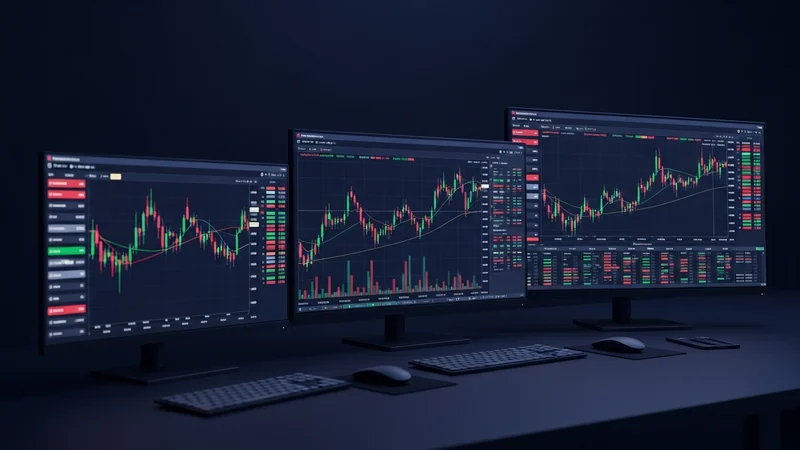
Intraday charts on timeframes such as one minute, five minute, and fifteen minute candles are the bread and butter of day trading. Traders study support and resistance, where price has repeatedly bounced or stalled, and use indicators to confirm momentum. Volume tells them how much conviction is behind a move, which helps separate a genuine breakout from a false one.
Real Time Data and Market Awareness
News catalysts can move prices fast, so day traders stay aware of announcements, listings, and broader market sentiment. Live analytics platforms such as DEXTools help traders monitor on chain activity, pairs, and price action in real time, which is useful when you need to react quickly to changing conditions.
Common Day Trading Styles
Day trading is not a single method. It covers several sub styles, and most traders eventually settle on the one that fits their temperament and schedule.
- Scalping: Making many very short trades to capture small price changes, often holding positions for only seconds or minutes. Scalping demands focus, speed, and tight control over fees.
- Momentum trading: Riding strong directional moves while volume and interest are high, then exiting when momentum fades.
- Breakout trading: Entering when price pushes through a defined support or resistance level, aiming to catch the move that follows the break.
- Range trading: Buying near support and selling near resistance when price is moving sideways inside a clear band rather than trending.
No single style is better than the others in the abstract. Scalping rewards fast reactions and a tolerance for screen time, while range trading suits calmer, more patient personalities who prefer waiting for clear levels. Breakout and momentum trading reward traders who can act decisively when volume confirms a move. Most people experiment with several before they discover which one matches their attention span, their risk tolerance, and the hours they can realistically trade.
The Essentials of a Day Trading Approach
Beyond style, every serious day trader needs a foundation that keeps emotion and chaos out of decisions. These essentials matter far more than any single indicator.
A Trading Plan
A trading plan defines what you trade, when you enter, when you exit, and what conditions must be met before you act. Writing this down in advance removes guesswork in the heat of the moment and keeps your behavior consistent across sessions.
Risk Management and Position Sizing
Risk management is the single most important habit in day trading. This includes deciding how much of your account you are willing to risk on any one trade, using stop losses to cap downside, and sizing each position so a single bad trade cannot do serious damage. Many traders risk only a small percentage of their capital per trade so that no individual loss is catastrophic.
Fees, Slippage, and Discipline
Because day traders make frequent trades, costs add up fast. Awareness of fees and slippage is essential, since the difference between your expected price and your actual fill can quietly erode profits. Slippage is especially relevant in fast moving or low liquidity markets. On top of that, emotional discipline holds everything together. Fear, greed, and the urge to chase losses are what turn a sound plan into a losing one.
The Risks You Need to Understand
Day trading is demanding, and it is important to be honest about the risks. It requires significant time, attention, and emotional control, and most beginners lose money when they start. The fast pace that makes day trading appealing is also what makes it unforgiving of mistakes.
Leverage adds another layer of danger. While it can amplify gains, it amplifies losses just as easily, and a single sharp move against a leveraged position can wipe out an account quickly. Crypto markets are also highly volatile, which means intraday swings can be large and sudden. None of this is financial advice, and nobody can reliably predict prices. Treat day trading as a skill that takes time to build, practice with small size, and never risk money you cannot afford to lose.
Conclusion
Day trading crypto is about capturing intraday price moves within a single session using technical analysis, momentum, volume, and disciplined risk control. The styles range from rapid scalping to patient range trading, but they all rest on the same foundation: a clear plan, strict risk management, and the emotional discipline to follow your rules. The opportunity is real, but so is the difficulty. Approach it as a serious craft, keep your position sizes small while you learn, and remember that protecting your capital matters more than any single trade.
Navigating the AI-Driven Intraday Landscape of 2026
By 2026, the crypto day trading environment has evolved significantly, with artificial intelligence playing an increasingly dominant role in market analysis and execution. While the core principles of capturing intraday price movements remain, successful day traders must now contend with a landscape where sophisticated algorithms often dictate liquidity pockets, order flow, and even sentiment shifts. Understanding how these AI systems interact with traditional market dynamics is no longer optional; it is fundamental to developing effective trading strategies.
The speed and complexity of AI-driven trading demand a more adaptive and nuanced approach from human traders. Rather than competing directly with bots on execution speed, human day traders in 2026 often find an edge in identifying the higher-level patterns and behavioral biases that even advanced AI might occasionally miss, or by exploiting the predictable reactions of these systems to specific market events. This involves a deeper dive into market microstructure and the implications of high-frequency trading on price discovery.
Leveraging AI Insights Without Becoming One
- Focus on understanding AI's typical response to major news events or macroeconomic data releases.
- Utilize AI-powered sentiment analysis tools as an indicator, but cross-reference with on-chain data for confirmation.
- Identify periods of algorithmic "exhaustion" or predictable pattern breaks where human intuition can gain an edge.
- Develop strategies that seek to front-run or fade the predictable order block placements of larger AI entities.
- Practice rapid adaptation to new algorithmic trading styles as they emerge and impact market structure.
Ultimately, the 2026 day trader thrives by integrating an understanding of AI's influence into their existing technical and fundamental analysis frameworks. It is about coexisting and finding symbiotic opportunities, rather than engaging in a futile race against machines.
Related Guides
- Swing Trading Crypto for Beginners: Multi-Day Setups and Risk Rules (2026)
- The First Red Day: What a Token’s First Major Selloff Reveals
- How to Day Trade Crypto: Complete Strategy and Risk Management Guide (2026)
- What Is Wash Trading in Crypto? Beginner Guide (2026)
- Wash Trading in Crypto: Red Flags Explained
Frequently Asked Questions
What is day trading in crypto?
Day trading in crypto means opening and closing positions within the same day to profit from short term price moves. Day traders avoid holding positions overnight to limit exposure to large gaps.
How is day trading different from swing trading?
Day trading closes all positions within the day and focuses on intraday moves, while swing trading holds positions for several days or weeks. Day trading is more active and time intensive.
What tools do crypto day traders use?
Day traders commonly use real time charts, technical indicators, order books, and fast execution platforms. Access to reliable data and low fees is important for frequent trading.
What risk rules matter for day trading?
Common rules include using stop losses, limiting risk per trade to a small share of capital, and avoiding overtrading. Discipline and a defined plan help manage the high pace and emotion of intraday trading.