What Is f(x) Protocol? fxUSD and Leverage Without Liquidations (2026)
— By Tony Rabbit in Tutorials
Learn about f(x) Protocol, a DeFi innovation offering fxUSD, a yield-bearing stablecoin, and xPOSITION, a leveraged asset with reduced liquidation risk.
What Is f(x) Protocol? fxUSD and Leverage Without Liquidations (2026)
Welcome to a deep dive into f(x) Protocol, an innovative decentralized finance (DeFi) project designed to transform how users interact with stablecoins and leveraged positions. This guide will walk you through its core components, benefits, and how you can get started, all within the context of the broader crypto ecosystem.
What is f(x) Protocol and Why Does It Matter?
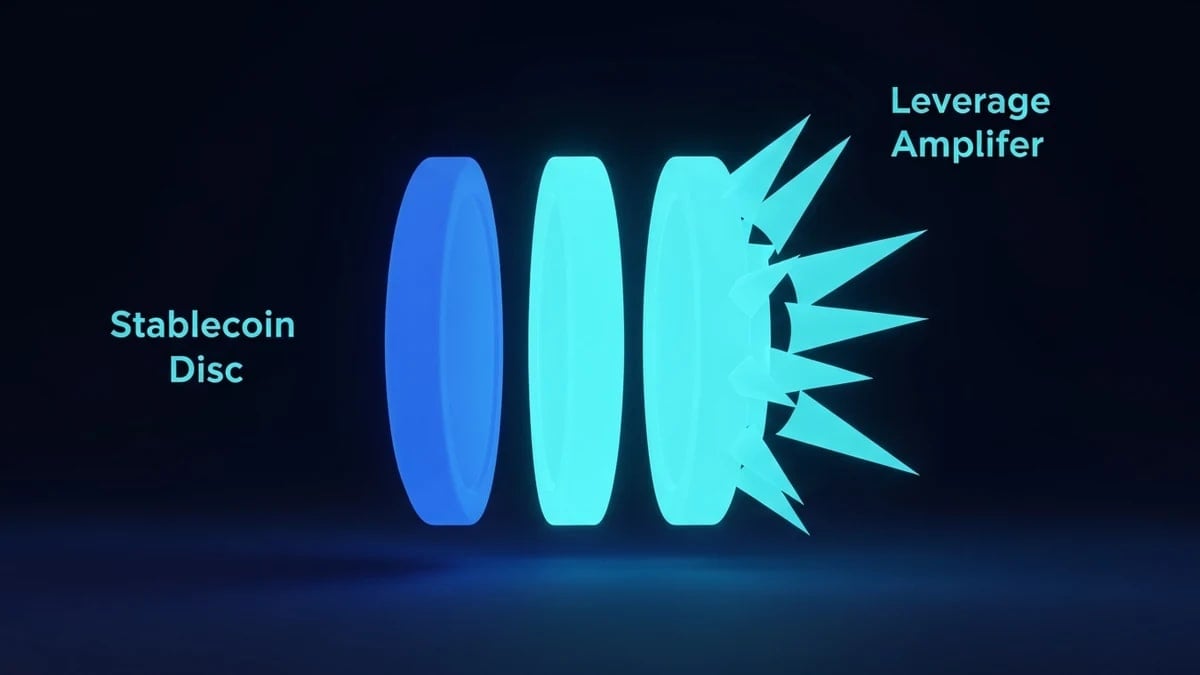
f(x) Protocol is a decentralized DeFi protocol that introduces a novel approach to managing yield-bearing assets. It effectively splits a single yield-bearing asset, like staked ETH, into two distinct financial instruments: a stablecoin and a leveraged position.
This innovative separation allows users to access real on-chain yield through a stablecoin, fxUSD, while also providing a way to gain leveraged exposure to underlying assets like ETH or BTC with significantly reduced liquidation risk and lower funding costs. It addresses common pain points in DeFi, such as the trade-off between stablecoin safety and yield generation, and the inherent risks of traditional leveraged trading.
How f(x) Protocol Works: The Core Mechanism
At its heart, f(x) Protocol operates by transforming collateral into two distinct tokens. When a user deposits a yield-bearing asset, such as stETH, the protocol mints both fxUSD and xPOSITION tokens.
fxUSD is a decentralized stablecoin pegged to the US dollar. It is collateralized by staked-ETH-based tokens and captures real on-chain yield from the underlying collateral's staking rewards.
xPOSITION represents a leveraged position. It provides leveraged exposure to the underlying asset (ETH or BTC) without the typical liquidation risks associated with traditional margin trading, thanks to the protocol's unique design that absorbs price fluctuations.
Key Features: What Makes f(x) Protocol Unique?
- Yield-Bearing Stablecoin (fxUSD): Unlike many stablecoins, fxUSD inherently captures yield from its collateral's staking rewards and fees from leverage traders. This means holding fxUSD can generate passive income.
- Leverage Without Liquidations (xPOSITION): The xPOSITION token offers leveraged exposure to ETH or BTC. Crucially, it's designed to significantly reduce liquidation risk, a major concern for leverage traders, by abstracting away the direct collateral management.
- Low Funding Costs: The protocol's structure aims to provide competitive funding costs for leveraged positions, making it an attractive alternative to other leverage platforms.
- Decentralized and Collateralized: fxUSD maintains its peg through over-collateralization with decentralized assets like stETH and a robust redemption mechanism at oracle price if it trades below peg.
- Stability Pool: Users can deposit fxUSD or USDC into a Stability Pool to earn yield from the collateral's staking rewards and fees paid by leverage traders, further enhancing the protocol's utility and yield generation.
The FXN Governance Token
FXN is the native governance token of f(x) Protocol. Holders of FXN have the power to influence the future direction and parameters of the protocol. This includes voting on proposals related to fees, collateral types, risk parameters, and other key operational aspects.
The governance model ensures that the protocol remains decentralized and community-driven, aligning the interests of its users and stakeholders with its long-term success. You can track FXN on DEXTools to stay updated on its market performance and liquidity.

How to Get Started with f(x) Protocol
Engaging with f(x) Protocol typically involves interacting with its core functionalities: minting fxUSD, acquiring xPOSITION, or participating in the Stability Pool. Here's a general guide on how you might get started:
- Acquire Supported Collateral. You will need a supported yield-bearing asset, such as stETH. This can be acquired on various decentralized exchanges (DEXs) or by staking ETH directly.
- Connect Your Wallet. Navigate to the f(x) Protocol dApp and connect your Web3 wallet (e.g., MetaMask). Ensure your wallet is on the correct blockchain network (e.g., Ethereum mainnet).
- Mint fxUSD and xPOSITION. Deposit your collateral into the protocol. The protocol will then allow you to mint fxUSD and/or xPOSITION based on your desired exposure.
- Deposit into Stability Pool (Optional). If you hold fxUSD or USDC, you can deposit it into the Stability Pool to earn additional yield from staking rewards and leverage trading fees.
- Manage Your Positions. Monitor your fxUSD holdings for yield accumulation or manage your xPOSITION for leveraged exposure. You can redeem fxUSD for collateral if needed.
- Participate in Governance. Acquire FXN tokens to participate in governance decisions, helping shape the future of the protocol.
f(x) Protocol vs. Traditional DeFi: A Comparison
To better understand f(x) Protocol's place in the DeFi landscape, let's compare its offerings to more traditional approaches:
Fees, Costs, and Requirements
Participating in f(x) Protocol involves certain fees and requirements, designed to sustain the protocol and reward its participants:
- Collateral Requirements: To mint fxUSD or xPOSITION, you need to provide supported yield-bearing collateral, such as stETH. The protocol will specify minimum collateral ratios.
- Leverage Trading Fees: Users taking leveraged positions (xPOSITION) pay fees, which contribute to the yield for fxUSD holders and the Stability Pool. These fees are designed to be competitive.
- Redemption Fees: There may be minor fees associated with redeeming fxUSD for its underlying collateral.
- Gas Fees: As with any interaction on the Ethereum blockchain (or other supported chains), users will incur network transaction fees (gas fees) for minting, trading, or depositing.
Risks and Things to Watch
While f(x) Protocol offers innovative solutions, it's crucial to be aware of the inherent risks associated with any DeFi project:

Is f(x) Protocol Legit? How to Stay Safe
Determining the legitimacy of a DeFi project involves evaluating several factors. f(x) Protocol operates as a decentralized protocol, meaning its operations are governed by smart contracts and community consensus, rather than a single entity.
- Audits: Reputable DeFi protocols undergo security audits by third-party firms to identify and mitigate smart contract vulnerabilities. Always check for audit reports.
- Transparency: A legitimate project will have transparent documentation, open-source code, and clear communication channels.
- Community and Governance: An active and engaged community, coupled with a robust governance model (like FXN's), indicates a healthy and decentralized project.
- Track Record: While f(x) Protocol is innovative, observing its performance and stability over time provides valuable insights.
To stay safe, always use official links, verify contract addresses, and never share your private keys or seed phrases. Be wary of phishing attempts and scams.
Tips for Maximizing Your Experience
- Monitor Yields: Keep an eye on the yield rates for fxUSD and the Stability Pool. These can fluctuate based on market conditions and protocol activity.
- Understand xPOSITION: While it reduces liquidation risk, understand that xPOSITION still provides leveraged exposure, meaning your gains and losses are amplified relative to the underlying asset.
- Stay Informed: Follow f(x) Protocol's official communication channels (e.g., Discord, Twitter, documentation) for updates, governance proposals, and community discussions.
- Diversify: As with all investments, consider diversifying your portfolio rather than putting all your capital into a single protocol.
- Start Small: If you're new to f(x) Protocol, begin with smaller amounts to familiarize yourself with its mechanics before committing larger sums.
Conclusion
f(x) Protocol represents a significant evolution in DeFi, offering a unique blend of yield-bearing stablecoins and leveraged positions with innovative risk mitigation. By understanding its core mechanisms, features, and associated risks, users can make informed decisions about how to integrate this powerful protocol into their DeFi strategies.
Always remember that the crypto market is dynamic and volatile. Conduct your own research and exercise caution. Happy exploring!
Frequently Asked Questions
What is f(x) Protocol?
f(x) Protocol is a decentralized DeFi protocol that splits a yield-bearing asset into two parts: fxUSD, a decentralized stablecoin that captures real on-chain yield, and xPOSITION, a leveraged position for ETH or BTC with reduced liquidation risk.
How does fxUSD generate yield?
fxUSD generates yield from the staking rewards of its underlying collateral (like stETH) and from fees paid by users who take leveraged positions via xPOSITION.
What is xPOSITION in f(x) Protocol?
xPOSITION is a leveraged asset offered by f(x) Protocol that provides leveraged exposure to ETH or BTC. It is designed to have significantly reduced liquidation risk and low funding costs compared to traditional leverage methods.
What collateral does f(x) Protocol use?
f(x) Protocol primarily uses staked-ETH-based tokens, such as stETH, as collateral for minting fxUSD and xPOSITION.
Is fxUSD a stablecoin?
Yes, fxUSD is a decentralized stablecoin pegged to the US dollar. It is collateralized by yield-bearing assets and has a redemption mechanism at the oracle price if it trades below its peg.
What is the FXN token used for?
FXN is the governance token of f(x) Protocol. Holders of FXN can participate in the protocol's decentralized governance, voting on key parameters and future developments.
What are the main risks of using f(x) Protocol?
Key risks include smart contract risk, depeg risk for fxUSD, risks associated with the underlying collateral (e.g., stETH), oracle risk, and governance risk. Leverage and stablecoins inherently carry these risks.
How can I earn yield with f(x) Protocol?
You can earn yield by holding fxUSD, which captures staking rewards and leverage trading fees, or by depositing fxUSD or USDC into the protocol's Stability Pool.
Can I track f(x) Protocol tokens on DEXTools?
Yes, you can track both the FXN governance token and the fxUSD stablecoin on DEXTools to monitor their market performance and liquidity.