What Is Gas Griefing in Smart Contracts? Attack and Defense (2026)
— By Whatsertrade in Tutorials
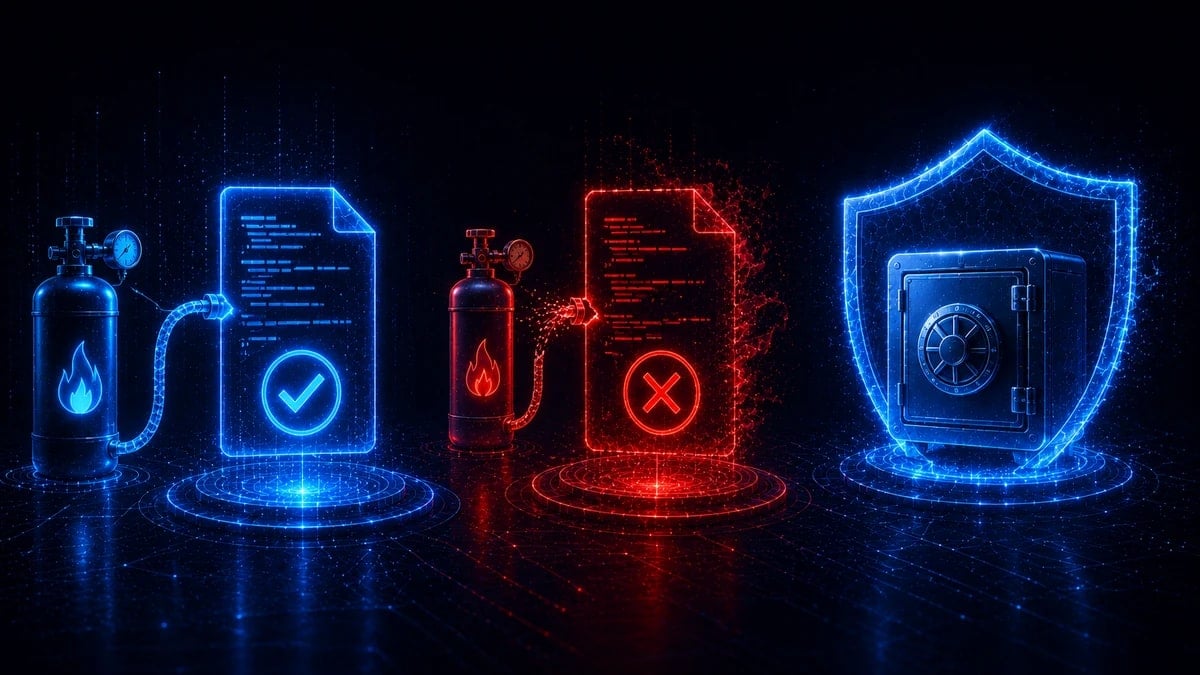
Understand gas griefing in smart contracts: an attack exploiting EVM rules to disrupt protocols without direct theft. Learn defense strategies.
In the rapidly evolving world of Web3, understanding the intricacies of smart contract security is paramount. As we look towards 2026 and beyond, new attack vectors and sophisticated exploits continue to emerge, challenging developers and users alike. One such subtle yet potent threat is gas griefing, an attack that can cripple decentralized applications without directly siphoning funds.
This guide will demystify gas griefing in smart contracts, explaining its mechanics, how it exploits fundamental EVM behaviors, and most importantly, the robust defense strategies available to developers. Whether you're a seasoned developer, a DeFi user, or simply curious about blockchain security, grasping this concept is crucial for navigating the future of decentralized finance.
What is Gas Griefing in Smart Contracts?
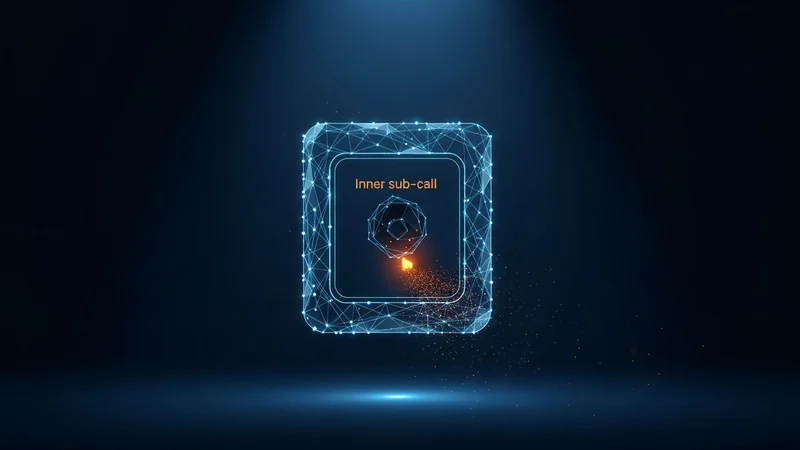
Gas griefing is a smart contract attack where an attacker deliberately supplies just enough gas for the outer function of a contract to succeed, but crucially, not enough for an inner external sub call that the outer function attempts to make. This subtle manipulation causes the inner call to fail silently, leading to an incomplete state change within the contract.
The core of this attack lies in its intention: griefing aims to disrupt or degrade a protocol's functionality rather than to steal funds directly. The attacker may gain no monetary value from the exploit, but they can effectively break features, block other users from performing legitimate actions, or generally create a poor user experience. It's a form of denial of service (DoS) attack specific to smart contract execution.
How Gas Griefing Exploits EVM Rules
The Ethereum Virtual Machine (EVM) has a specific rule regarding gas forwarding for external calls: it forwards 63 out of 64 parts of the remaining gas to external calls. While designed as a security measure to prevent reentrancy attacks from consuming all gas, this rule can be weaponized in gas griefing.
When a contract makes an external call, if the called function requires more gas than the 63/64ths forwarded, it will run out of gas and revert. If the calling contract does not explicitly check the return value of that external call, it will proceed as if the call succeeded, leaving its internal state inconsistent. This is the critical vulnerability that gas griefing exploits.
Consider a scenario where a contract attempts to distribute rewards to multiple users in a single transaction. If an attacker is one of the recipients and intentionally causes their reward distribution sub-call to fail due to gas griefing, the entire transaction might revert, or worse, proceed with an incomplete state, blocking other legitimate users from receiving their rewards. Monitoring such disruptions on platforms like DEXTools, which track transaction volumes and contract interactions, could sometimes reveal unusual patterns indicative of such attacks.
Common Scenarios for Gas Griefing
Gas griefing typically manifests in situations where smart contracts interact with other contracts or external addresses without robust error handling. Understanding these common scenarios is key to both identifying and preventing the attack.
- Batch Operations: Contracts that attempt to process multiple external actions in a single transaction, such as distributing tokens to a list of recipients or calling multiple external contract functions. If one of these sub-calls fails due to gas griefing, it can either revert the entire batch or leave the contract in an inconsistent state.
- Withdrawal Functions: Contracts that push funds to multiple users in a single transaction (the 'push' payment pattern). An attacker can cause their specific payment to fail, thereby preventing subsequent payments or reverting the entire withdrawal process for everyone.
- Voting or Auction Mechanisms: Complex interactions where a contract relies on the successful execution of external calls to update states, such as recording a vote or finalizing an auction. A griefing attack can prevent these state transitions.
- Any external call without return value checks: Fundamentally, any external call to another contract or address using
call(),send(), ortransfer()where the calling contract does not explicitly check the boolean return value is susceptible.

Defense Strategies Against Gas Griefing
Preventing gas griefing requires careful smart contract design and adherence to best practices. The primary goal is to ensure that external calls either succeed as intended or, if they fail, that the contract handles the failure gracefully and consistently.
Always Check Return Values of External Calls
This is the most fundamental and critical defense. Whenever a contract makes an external call using low-level functions like .call(), .send(), or .transfer(), these functions return a boolean indicating success or failure. Developers must always check this return value and react appropriately.
If the external call fails (returns false), the calling contract should revert the entire transaction using require(success, "External call failed") or handle the error in a way that maintains state consistency. This prevents the silent failure that gas griefing exploits, ensuring that an incomplete state change never occurs.
Adopt the Pull Over Push Withdrawal Pattern
For distributing funds or rewards, the pull over push pattern is a robust defense against gas griefing. Instead of the contract pushing payments to multiple users in an inline loop, the contract records what it owes each user, and each user then independently withdraws their funds.
This pattern decentralizes the withdrawal process. If one user's withdrawal transaction is griefed (i.e., they supply insufficient gas for their own withdrawal), it only affects their transaction and does not block other users from withdrawing their funds. This significantly improves the resilience of payment distribution mechanisms.
- Push Pattern: Contract initiates payments to multiple recipients in a single transaction. Vulnerable to gas griefing if one recipient's payment fails.
- Pull Pattern: Contract tracks individual balances, and each recipient initiates their own withdrawal transaction. Isolated failures, robust against griefing.
Gas Limit Considerations for External Calls
While checking return values is primary, understanding gas limits for external calls is also important. When using .call(), you can specify a gas limit for the external call. However, this must be done carefully, as setting too low a limit can inadvertently cause legitimate calls to fail, and setting too high a limit might increase transaction costs unnecessarily.
The EVM's 63/64 gas forwarding rule means that if the outer function has only a small amount of gas remaining, the inner call might not receive enough, regardless of explicit gas limits. Therefore, ensuring sufficient gas for the entire transaction, including all nested external calls, is part of robust design.
Summary of Attack and Defense
To consolidate our understanding, let's compare the characteristics of gas griefing attacks and their corresponding defense mechanisms.
Conclusion
Gas griefing, while not as flashy as direct fund theft, poses a significant threat to the reliability and user experience of decentralized applications. As the smart contract ecosystem matures towards 2026 and beyond, understanding and mitigating such subtle attack vectors will be paramount for developers and users alike. By diligently checking return values of external calls and adopting robust patterns like pull over push for withdrawals, developers can build more resilient and griefing-resistant smart contracts.
Staying informed about these attack patterns and implementing best practices is crucial for the continued security and growth of the Web3 space. The vigilance of the developer community in adopting these defensive measures will ultimately lead to a more secure and trustworthy decentralized future.
Frequently Asked Questions
What is the main goal of a gas griefing attack?
The main goal of a gas griefing attack is to disrupt or degrade the functionality of a smart contract or protocol, rather than to directly steal funds. The attacker aims to cause inconvenience, block users, or break features.
How does gas griefing exploit EVM rules?
Gas griefing exploits the EVM's rule that forwards 63 out of 64 parts of remaining gas to external calls. Attackers supply just enough gas for the outer function but not enough for a critical inner external call, causing it to fail silently if its return value is not checked.
What is the most important defense against gas griefing?
The most important defense against gas griefing is to always check the return values of external calls. By using `require(success)` or similar checks, contracts can revert if an external call fails, preventing incomplete state changes.
What is the 'pull over push' pattern, and why is it useful?
The 'pull over push' pattern is a withdrawal strategy where a contract records what it owes each user, and users then independently withdraw their funds. It's useful because it isolates withdrawal failures, making it resilient to gas griefing, as one user's failure doesn't affect others.
Can gas griefing lead to direct financial loss for the attacker?
Typically, gas griefing does not lead to direct financial loss for the attacker beyond the gas cost of the transaction. The attacker's primary gain is the disruption or degradation of the target protocol, not monetary profit.