What Is Update Authority on Solana? Guide (2026)
— By Tony Rabbit in Tutorials

Learn what update authority on Solana is, why metadata control matters for token trust, and how live update permissions can affect buyer safety.
When traders review Solana tokens, they often focus on mint authority and freeze authority. Another permission that matters, especially for trust and token identity, is update authority.
Intent check: This page is about metadata control, not supply creation or account freezing. If you need the live supply permission, read Mint Authority on Solana: Dilution Risk and Supply Control (2026). If you need the removed-permissions trust signal, read What Does Revoked Authority Mean on Solana?
Update authority on Solana is the permission that can modify a token or NFT metadata record, depending on how the asset was created and configured. That means the authority may still be able to change metadata fields such as name, symbol, URI, or related metadata references. In some contexts this flexibility is useful. In others it creates a trust question.
This is why update-authority analysis matters. It helps traders understand whether an asset’s identity and presentation are still mutable after launch.
Quick take
- Update authority is the Solana permission that can modify metadata under supported token metadata setups.
- It matters because live metadata control can affect identity trust, branding, and post-launch discretion.
- Update authority is different from mint authority and freeze authority, which control other risks.
- The right workflow is to evaluate update authority alongside supply, transfer, and holder checks.
What update authority means on Solana
On Solana, token metadata may be managed through an update authority that retains the right to modify metadata records. That can be harmless in projects that need controlled updates, but it also means the asset’s identity is not fully frozen. For traders, the main question is whether that mutability is clearly disclosed and appropriately scoped.
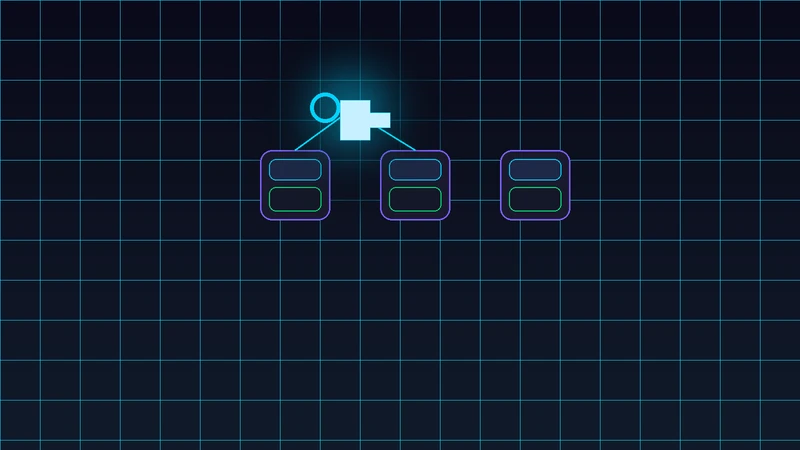
Update authority vs other Solana permissions
Why update authority matters to traders
Most public buyers assume a token’s identity is stable once trading begins. If metadata control remains active, that assumption is weaker. Even when no abuse occurs, live update authority means part of the asset’s presentation still depends on whoever holds the permission.
What update-authority analysis helps you judge
Update authority vs mint authority
This distinction matters because the two are often confused. Mint authority changes supply. Update authority changes metadata. A token can have revoked mint authority but still keep live update authority. That may be acceptable, but it should not be mistaken for full immutability across every dimension.
What update-authority analysis cannot prove alone
- ✘ It does not replace mint-authority analysis, because metadata and supply are separate risk layers.
- ✘ It does not replace revoked-authority checks, because you still need to know which permissions remain active.
- ✘ It does not tell you whether the project will misuse the authority, only that the ability exists.
- ✘ It does not replace broader token or NFT due diligence around holders, liquidity, and market behavior.
How to inspect update authority in practice
The clean workflow is to identify whether update authority exists, what metadata it can affect, and whether the project has a credible reason for retaining it. If the project claims full immutability, the technical state should match that claim.
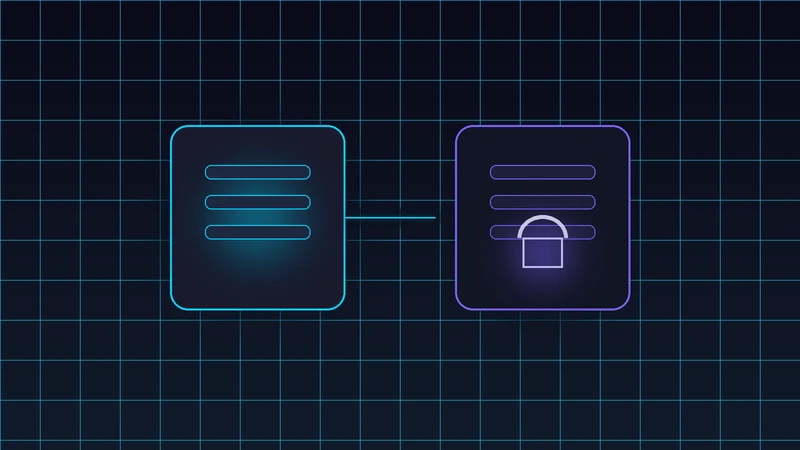
A practical update-authority workflow
- ✔ Check whether update authority is active or revoked.
- ✔ Confirm what kind of metadata structure the token or asset uses.
- ✔ Compare technical mutability with the project’s public claims about immutability or permanence.
- ✔ Assess whether retaining metadata control is reasonable for the asset type and project stage.
- ✔ Treat unclear metadata permissions as part of the overall trust picture, not a cosmetic detail.
Final takeaway
Update authority on Solana matters because trust is not only about supply. It is also about whether the identity and metadata of an asset remain under someone’s control after launch. A live update authority may be normal in some contexts, but traders should know it exists before assuming the asset is fully fixed.
The practical rule is simple: if a Solana asset is marketed like a finished, immutable product, check the update authority. When the narrative says fixed but the permission says mutable, trust should adjust.
Related reads on DEXTools
- What Is Mint Authority on Solana? Supply Control, Risk and Red Flags (2026)
- What Does Revoked Authority Mean on Solana? How to Check Token Trust (2026)
- What Is a Freeze Authority in Crypto? Solana Token Control, Risk and Red Flags (2026)
- What Is a Mintable Token in Crypto? Why Supply Control Matters (2026)
FAQ
What is update authority on Solana?
Update authority on Solana is the permission that can modify a token or NFT metadata record, depending on how the asset was created and configured.
Why does update authority matter?
It matters because live metadata control can affect trust, branding, token identity, and how much post-launch discretion remains with the project.
Is update authority the same as mint authority?
No. Mint authority controls supply creation, while update authority controls metadata edits. They affect different parts of the trust model.
Does revoked update authority make a token safer?
It can improve trust around metadata immutability, but it does not replace supply, holder, or liquidity checks.
Disclaimer: This content is for informational purposes only and does not constitute financial advice. Crypto investments carry risks, including loss of capital.
Related Guides
- What Is Mint Authority on Solana? Supply Control, Freeze Risk and Revocation (2026)
- Freeze Authority on Solana: Blacklist Risk and Transfer Control (2026)
- Revoked Authority on Solana: Token Trust Explained
- Biggest Crypto Hacks of All Time: Complete History (2026 Update)
- Frozen Token in Crypto: Freeze Authority Explained
Frequently Asked Questions
What is update authority on Solana?
Update authority is the permission that lets a designated wallet change a Solana token's metadata, such as its name, symbol, or image. Whoever holds it can modify how the token presents itself after launch.
Why does update authority matter for token safety?
If update authority remains active, the controlling wallet can alter metadata at any time, which can be used to mislead buyers or impersonate other projects. Knowing who holds it helps you judge how much trust to place in the token's displayed information.
What does it mean when update authority is revoked?
Revoking update authority means the metadata is frozen and can no longer be changed, which removes the risk of post-launch metadata edits. Many traders view a revoked update authority as a sign of reduced manipulation risk, though it is only one factor among many.
How do I check the update authority of a Solana token?
You can view a token's update authority using a Solana block explorer or token analytics tools that display its metadata permissions. Confirming whether it is active or revoked is a quick safety check before buying.