How to Bridge Base to Ethereum Safely 2026
— By Tony Rabbit in Tutorials

How to bridge from Base to Ethereum safely in 2026: when the move back to mainnet makes sense, how route timing differs, and what to verify first.
Bridge from Base to Ethereum when you need mainnet settlement or mainnet-only liquidity, or to move funds back to the most widely supported chain. This process differs from bridging to Base, requiring users to choose between fast third-party bridges or canonical withdrawal paths, considering the varying times and costs involved for funds to land on the Ethereum mainnet.
Bridging from Base to Ethereum is the reverse move users make when they need mainnet liquidity again. Maybe the destination app only exists on Ethereum, maybe they want deeper liquidity, or maybe they simply want funds back on the most widely supported chain. The route sounds simple, but the timing and bridge choice matter much more on the way back out.
This is what weaker pages usually miss. Moving from a Layer 2 back to Ethereum is not just the same action in reverse. Users need to understand whether they are using a fast third-party bridge or a more canonical withdrawal path, how long it may take, and what they will pay once funds land back on mainnet.
Quick answer
- Bridge from Base to Ethereum when you specifically need mainnet settlement or mainnet-only liquidity.
- Choose the route with your speed and trust preference in mind, because not every withdrawal path feels the same.
- Confirm the asset, destination wallet, and Ethereum-side gas expectations before you send.
When It Makes Sense to Bridge from Base Back to Ethereum
Base is efficient for low-fee activity, but Ethereum mainnet is still where much of the deepest liquidity, longest-standing DeFi infrastructure, and broadest token support live. So this reverse bridge usually happens when a user wants to consolidate, exit to a more universally supported environment, or interact with a protocol that still lives mainly on L1.
If you need the opposite direction first, read our ETH to Base guide. If you want the broader Base ecosystem context, read our Base tutorial.
Fast bridge vs standard-style withdrawal
Base to Ethereum flow
Step 1: Decide Whether You Really Need Ethereum Mainnet
Do not bridge out automatically just because you are finished with one Base action. If your next trade, swap, or dApp interaction also exists on Base, staying on Base may be cheaper and simpler. Bridge back only when mainnet actually solves the next problem you have.
Why Base docs matter here
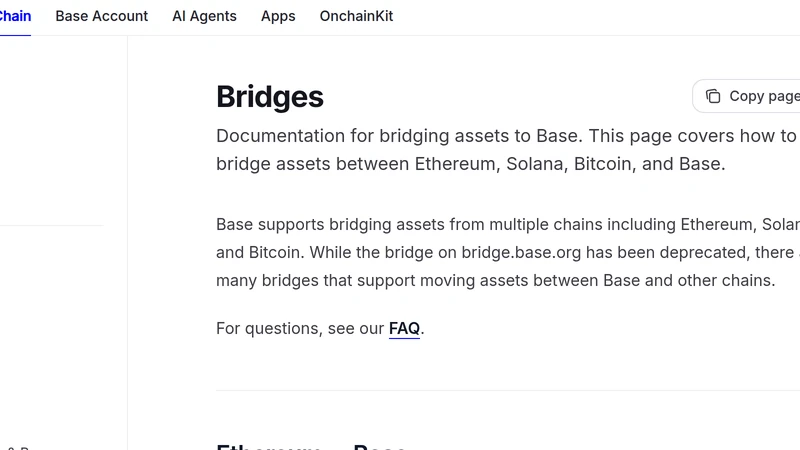
Base documentation now points users toward third-party bridge options because bridge.base.org is deprecated. That changes the user experience in a practical way. Instead of one obvious default bridge, users now compare route providers, timing, supported assets, and trust assumptions before they move funds back to Ethereum.
Step 2: Choose the Route and Understand the Timing Tradeoff
This is the most important section in the whole article. On the way from L2 back to L1, speed is not just a user experience detail. It is the actual route choice. Some paths prioritize faster usable liquidity through third-party bridge design. Other paths are more protocol-native and can take much longer. If you ignore that difference, you can pick the wrong route for your real need.
What to check before bridging back to Ethereum
Step 3: Confirm the Direction, Then Execute Carefully
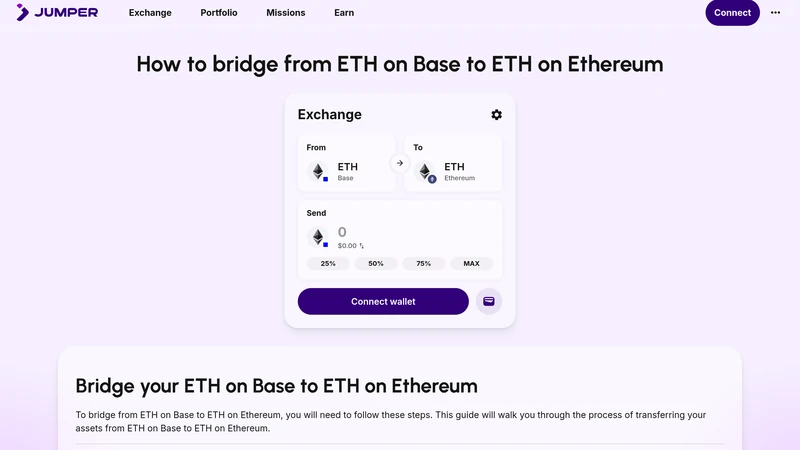
Base to Ethereum is the exact direction that matters here. Read the route screen as if you were reviewing a banking transfer: source chain, destination chain, asset, amount, wallet. If anything looks slightly off, pause and fix it before signing.
Step 4: Verify the Balance on Ethereum Before You Use or Swap It
When the route completes, switch the wallet to Ethereum and confirm the balance before you move into swaps, liquidity, or transfers. That last verification step is what turns a successful bridge into a usable result rather than an anxious guess.
Common Base to Ethereum Mistakes to Avoid
Mistakes that cost time or money
Frequently Asked Questions
How long does it take to bridge from Base to Ethereum?
That depends on the route you choose. Some third-party bridges are designed for faster usable liquidity, while more protocol-native style exits can take much longer.
Is Base to Ethereum the same thing as bridging ETH to Base in reverse?
Mechanically yes in direction, but the user decision is different because timing and route choice matter more on the way back out.
Should I bridge to Ethereum or just send funds to an exchange?
If your real goal is to return to exchange custody, an exchange deposit route may be simpler. Bridge to Ethereum when you specifically need Ethereum mainnet access or wallet-native settlement.
Related reading
Disclaimer: This article is for educational purposes only and does not constitute investment, tax, or legal advice. Bridge routes, withdrawal times, and supported assets can change over time. Always confirm the live destination chain and route assumptions before moving funds.