What Does XRP Do? Real Use Cases & Utility Explained (2026)
— By AliceOnChain in Tutorials
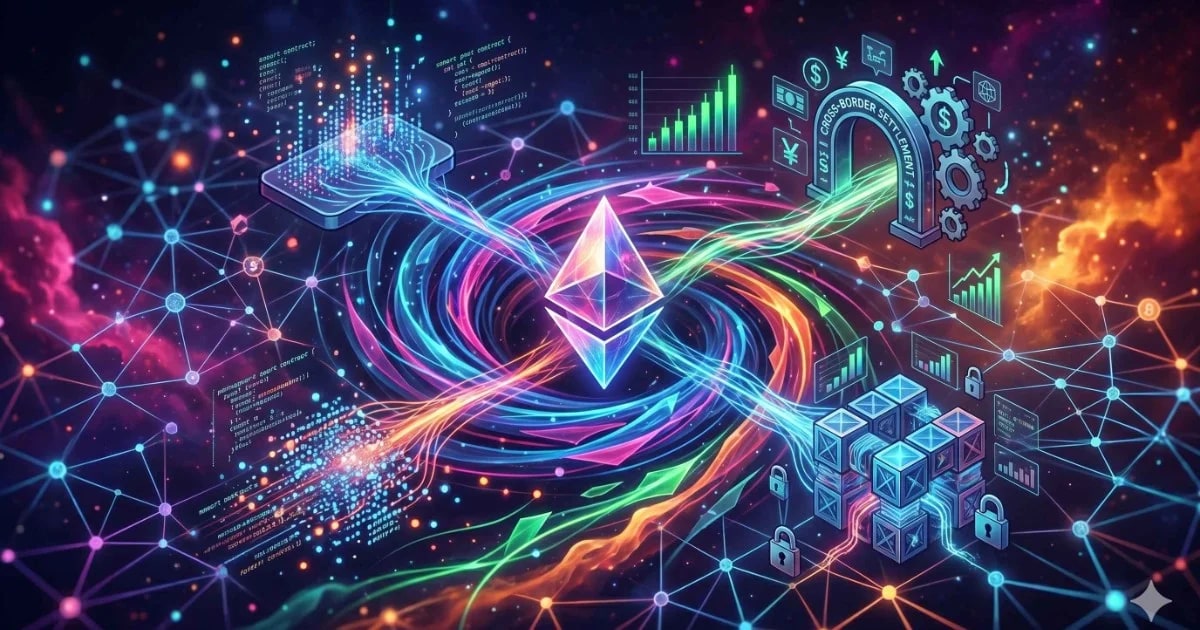
XRP's core utility is enabling rapid, low-cost global value transfer, serving as a bridge currency for institutions and a settlement asset.
In 2026, XRP's primary function is to facilitate lightning-fast, cost-effective, and scalable global value transfers, acting as a crucial bridge currency for financial institutions and a versatile settlement asset within the burgeoning XRP Ledger (XRPL) ecosystem. It enables on-demand liquidity (ODL), supports retail payments, and provides infrastructure for central bank digital currencies (CBDCs), moving far beyond its initial speculative narrative to become a fundamental tool in the modern financial grid.
The Core Purpose: Bridging Global Value
At its heart, XRP was engineered to solve the inefficiencies of cross-border payments. Traditional international transfers are slow, expensive, and often require pre-funded nostro/vostro accounts. XRP eliminates these hurdles by acting as a real-time bridge currency. A financial institution can instantly convert fiat into XRP, send the XRP across the globe in seconds, and then convert it back into the destination fiat currency. This process, known as On-Demand Liquidity (ODL), removes the need for banks to hold vast amounts of capital in various foreign currencies, freeing up capital and drastically reducing costs.
On-Demand Liquidity (ODL): Revolutionizing Cross-Border Payments
ODL is arguably XRP's most prominent real-world application. Financial institutions, payment providers, and businesses leverage XRP to move funds internationally without pre-funding accounts in destination currencies. This means:
- Reduced Costs: Eliminates intermediary bank fees and foreign exchange (FX) markups.
- Faster Settlements: Transactions settle in 3-5 seconds, compared to days for traditional wire transfers.
- Capital Efficiency: Frees up billions in pre-funded capital, which can be reinvested.
- Global Reach: Facilitates payments to corridors that were previously too expensive or complex to serve.
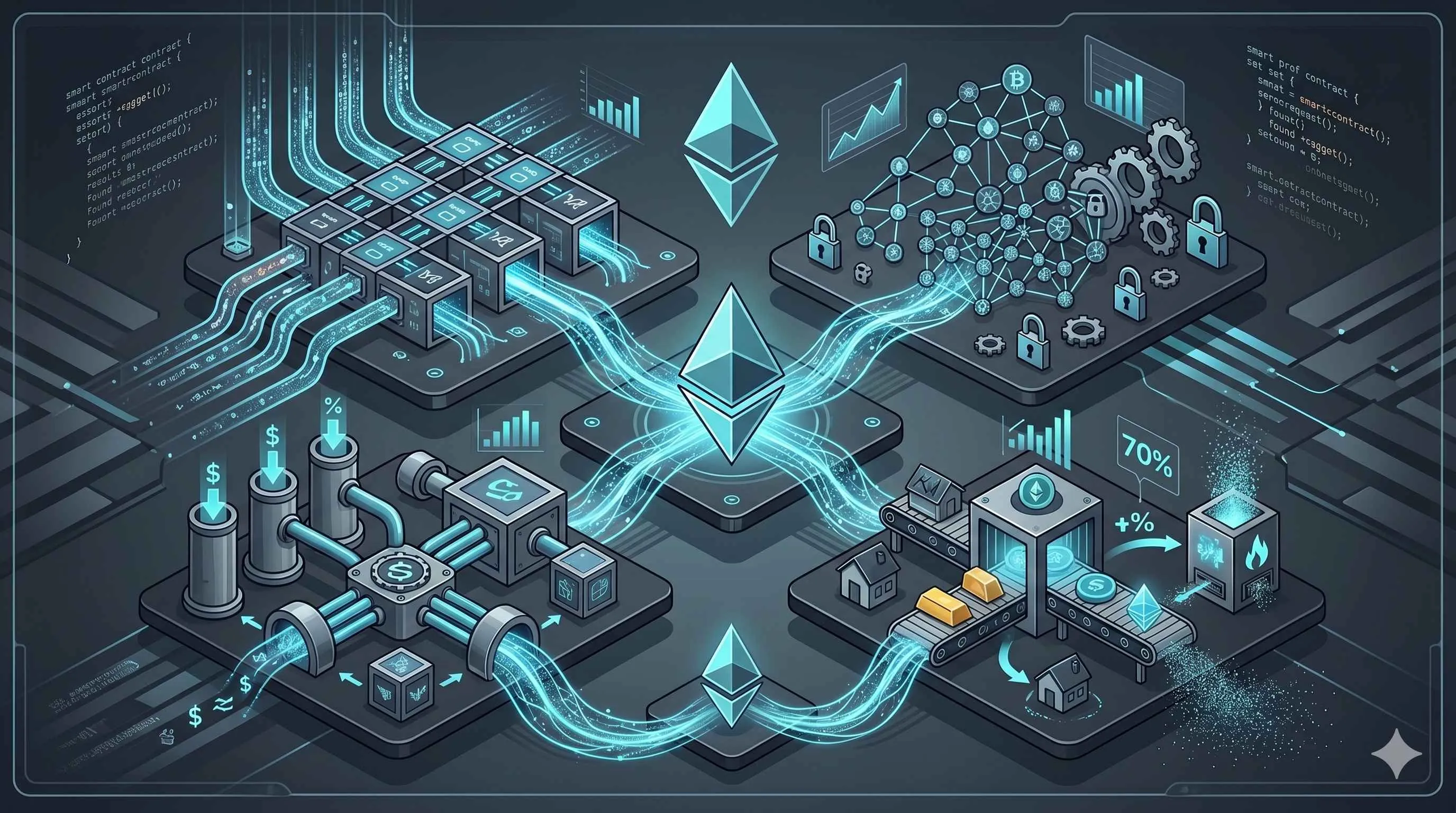
The XRP Ledger (XRPL): A Foundation for Innovation
While XRP is the native asset, its utility is inextricably linked to the XRP Ledger (XRPL). The XRPL is an open-source, decentralized blockchain that offers more than just fast payments. In 2026, it is a robust platform supporting a diverse ecosystem of applications, including:
- Decentralized Exchange (DEX): A native DEX allows for direct, peer-to-peer trading of any asset issued on the XRPL.
- Tokenization: Enables the issuance and management of various digital assets, from stablecoins to Real World Assets (RWAs).
- DeFi Protocols: Supports decentralized lending, borrowing, and other financial services built on its fast and low-cost infrastructure.
- NFTs and Metaverse: Facilitates the creation and transfer of non-fungible tokens (NFTs) and supports metaverse projects.
Retail Adoption: XRP as a Daily Spending Asset
Beyond institutional use, XRP is making strides in retail payments. The integration of XRP into major payment networks signifies a shift from a purely settlement asset to one usable in everyday transactions. A notable example in April 2026 is Rakuten Pay, which integrated XRP, allowing its 44 million users in Japan to spend XRP at over 5 million merchants. This development demonstrates XRP's potential to become a widely accepted digital currency for consumer purchases, leveraging its speed and low transaction costs for micro-payments.
CBDC Infrastructure: Powering Future Digital Currencies
Central Bank Digital Currencies (CBDCs) are a significant focus for governments worldwide. The XRPL is proving to be a viable infrastructure for piloting and potentially deploying these national digital currencies. Its native ability to issue and manage unique digital assets securely, coupled with its scalability and energy efficiency, makes it an attractive choice for central banks exploring digital fiat. Multiple central banks are currently using the XRPL to develop and test their CBDC solutions, leveraging its robust and compliant framework.
Tokenization of Real World Assets (RWAs)
The tokenization of Real World Assets (RWAs) is a rapidly growing sector, and the XRPL is a key player. From real estate and commodities to intellectual property and equities, the XRPL allows for the creation of digital representations of physical assets. This unlocks new liquidity, fractional ownership, and more efficient trading of traditionally illiquid assets. XRP often serves as the base pair or gas fee for these tokenized transactions on the XRPL, further cementing its utility.
Analyzing XRP Utility On-Chain: A DEXTools Perspective
Understanding XRP's true value requires looking beyond price charts and into its on-chain activity. Tools like DEXTools provide invaluable insights into how XRP is being actively utilized:
- Check the Bridging Volume: On DEXTools, search for major XRP pairs that involve stablecoins or fiat-backed tokens (e.g., XRP/RLUSD, XRP/EURT). High trading volume in these pairs indicates active use of XRP as a liquidity bridge for cross-border transfers and ODL.
- Audit New XRPL Projects: Use the DEXTools "New Pairs" filter specifically for the XRPL. This reveals where developers are building and innovating, whether it's decentralized lending protocols, gaming tokens, or new RWA projects. A vibrant ecosystem of new projects signals growing utility for the underlying asset, XRP.
- Monitor "Big Swaps" and Whale Activity: The DEXTools transaction feed allows you to spot large institutional "buy" or "sell" clusters involving XRP. Significant accumulation by whales can sometimes precede price reversals and indicates institutional interest or large-scale ODL operations.
- Verify Liquidity Depth: For an asset designed to move millions, liquidity is paramount. DEXTools shows you the liquidity depth for various XRP trading pairs, indicating how much price impact a large trade would have. Deep liquidity is crucial for efficient institutional use.
- Assess DEXT Score for XRPL Tokens: When exploring new projects on the XRPL, always check their DEXT Score on DEXTools. A high DEXT Score indicates a verified, legitimate project with good security practices, helping you identify credible utility within the ecosystem.
XRP's Technical Pillars: Speed, Scalability, Sustainability
The fundamental utility of XRP is underpinned by the robust technical architecture of the XRPL. These pillars are critical for its adoption in the modern financial grid:
Security Advice: Navigating the XRP Space Safely
As XRP's adoption grows, so does the attention from malicious actors. Protecting your assets and information is paramount:
- The "AirDrop" Trap: Scammers frequently promote fake XRP airdrops. Never trust a site asking for your secret key, a "small deposit" to verify your wallet, or to connect your wallet to an unverified third-party service to receive an airdrop. Always verify official announcements directly from Ripple or the XRPL Foundation.
- Verify the Token: When interacting with new tokens on the XRPL, always use DEXTools to check the DEXT Score. If a token claims to be "official" or "partnered" but has a low DEXT Score (e.g., 1), it is likely a scam or a low-quality project. Look for high DEXT Scores, indicating verified contracts and strong community trust.
- Phishing Scams: Be vigilant about phishing attempts. Always double-check URLs before clicking links, especially those related to wallets, exchanges, or DEXTools. Bookmark official sites to avoid navigating to malicious clones.
- Hardware Wallets: For significant XRP holdings, consider using a hardware wallet for enhanced security.
The Future of XRP: A Cornerstone of Digital Finance
In 2026, XRP has firmly established itself as an asset of utility, moving beyond speculative narratives to become a foundational component of the evolving global financial landscape. Its continued integration into institutional payment systems, expansion into retail commerce, and role in CBDC development underscore its long-term potential. The XRPL's versatility as a platform for DeFi and tokenization further solidifies XRP's position as a critical digital asset designed for efficiency, speed, and sustainability in the digital age.
Frequently Asked Questions
What is the primary use case of XRP?
The primary use case of XRP is to facilitate rapid, low-cost, and scalable cross-border payments through On-Demand Liquidity (ODL), acting as a bridge currency for financial institutions.
How fast are XRP transactions?
XRP transactions typically settle in 3-5 seconds, significantly faster than traditional international wire transfers which can take days.
What is On-Demand Liquidity (ODL)?
ODL is a system where financial institutions use XRP as an intermediary asset to instantly convert one fiat currency to another, eliminating the need for pre-funded accounts in foreign banks and reducing costs.
Is XRP used for retail payments?
Yes, in 2026, XRP is increasingly being adopted for retail payments, with examples like Rakuten Pay integrating it for daily spending by millions of users.
Can the XRP Ledger (XRPL) support CBDCs?
Yes, the XRPL is being utilized by multiple central banks to pilot and develop Central Bank Digital Currencies (CBDCs), leveraging its native ability to issue and manage digital assets securely.
What is the transaction cost for XRP?
The average transaction fee for XRP is extremely low, typically around 0.0002 USD, making it highly cost-effective for both large and small transfers.
Is the XRP Ledger environmentally friendly?
Yes, the XRPL is one of the first major carbon-neutral blockchains, utilizing a unique consensus mechanism that is significantly more energy-efficient than Proof of Work systems.
What is the DEXT Score on DEXTools for XRPL tokens?
The DEXT Score on DEXTools provides a reliability and security rating for tokens on the XRPL, helping users identify legitimate projects and avoid scams by verifying contract integrity and community trust.
What other applications are built on the XRPL?
Beyond payments, the XRPL supports a thriving ecosystem including a native Decentralized Exchange (DEX), tokenization of Real World Assets (RWAs), DeFi protocols, and NFT projects.