What Is a Honeypot Token? Sell Traps Explained
— By Tony Rabbit in Tutorials

Honeypot token in crypto explained: how sell traps work, why some tokens become unsellable, and how to reduce the risk of buying into one in 2026.
Many traders learn the word honeypot only after a token refuses to sell. That is too late. The real value of the concept is understanding it before capital gets trapped.
A honeypot token in crypto is a token designed so buyers can enter but cannot exit normally, or can only exit under conditions so punitive that the trap effectively blocks selling. Sometimes that block is direct. Sometimes it hides behind taxes, permissions, router behavior, or contract logic the average buyer never checks.
This is where weak top search results usually disappoint. They warn that honeypots are scams, which is true, but they often do not explain how honeypot risk overlaps with blacklists, freezes, sell locks, and disguised admin controls. That distinction matters when you are trying to avoid false confidence.
Quick take
- A honeypot token is a token that is easy to buy but hard or impossible to sell.
- It matters because apparent liquidity and hype can hide a one-way trap.
- Not every sell failure is the same, but honeypot risk overlaps with sell locks, blacklist logic, freezes, and extreme taxes.
- The right workflow combines sellability checks, permission analysis, and holder behavior review.
What a honeypot token means in crypto
In practical terms, a honeypot is not just “a bad token.” It is a token whose rules or surrounding setup are stacked so buyers enter easily while exits are blocked, restricted, or heavily penalized. The token may still show buys, price action, and social traction. That is what makes it dangerous to beginners.

Honeypot risk vs related token traps
Why honeypot tokens matter to traders
The reason is simple. Many traders think liquidity alone proves exit safety. It does not. A token can sit in a pool, attract buys, and still punish or block sales for ordinary users. That is why seeing green candles is not enough.
What honeypot analysis helps you judge
Honeypot token vs frozen or blacklisted token
This distinction matters because the technical mechanism is not always identical. A honeypot describes the practical trader outcome: you are trapped. A frozen token or blacklisted token describes one of the control mechanisms that can create or maintain that outcome. Understanding the difference helps avoid lazy analysis.
What honeypot analysis cannot prove alone
- ✘ It does not replace sellability checks, because you still need real pre-buy verification.
- ✘ It does not replace blacklist-control analysis, because selective transfer blocks matter too.
- ✘ It does not replace freeze-control analysis, because admin powers can change the risk profile later.
- ✘ It does not mean every weird sell issue is malicious, but it does mean the default trust level should drop fast.
How to check honeypot risk in practice
The clean workflow is to check whether selling works, what the taxes look like, whether admin permissions remain dangerous, and how current holders behave. If normal users are entering but not exiting, that pattern deserves immediate suspicion.
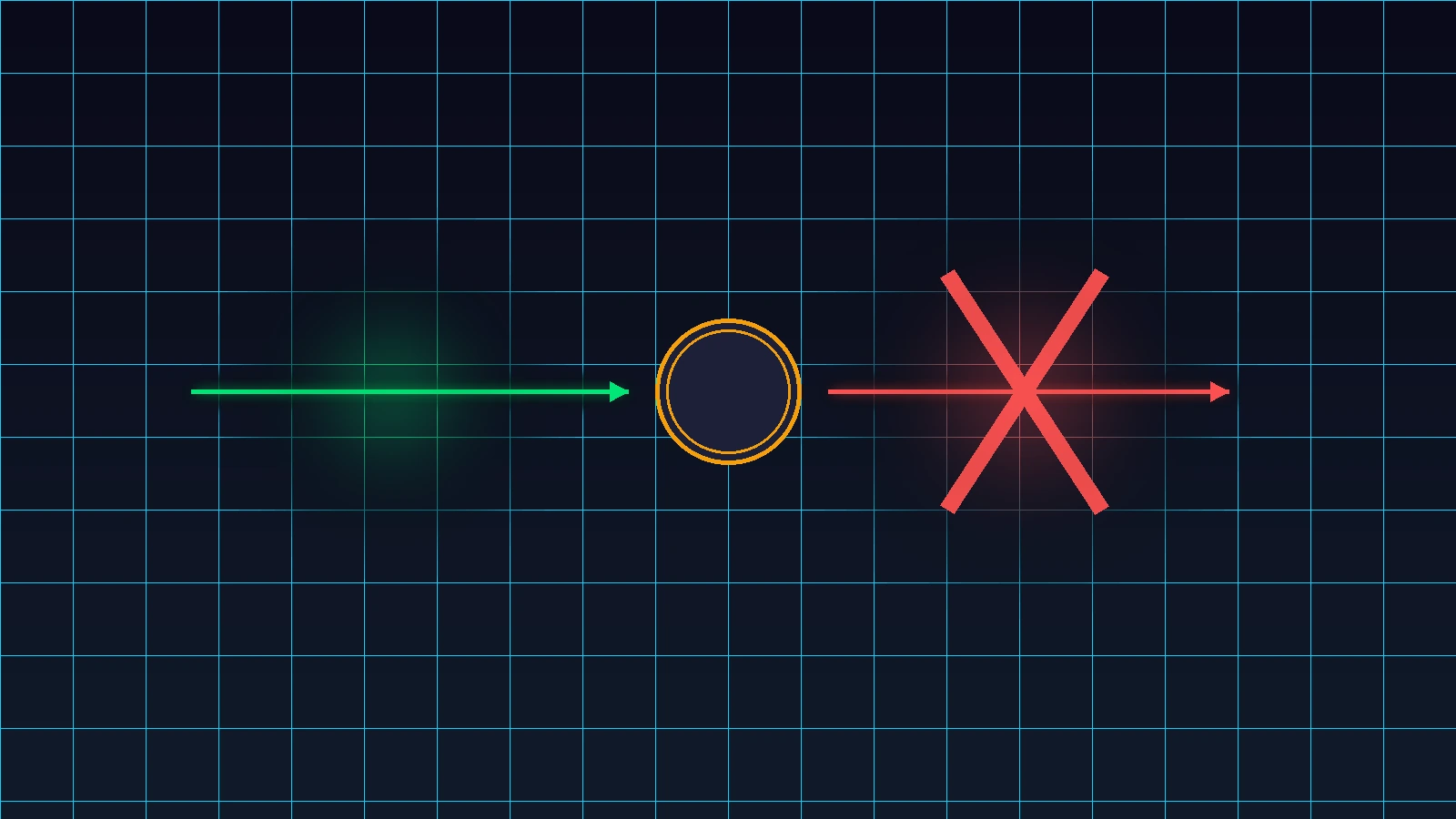
A practical honeypot-risk workflow
- ✔ Verify that the token can actually be sold before buying size.
- ✔ Inspect tax behavior and look for abnormal or changeable sell penalties.
- ✔ Review owner, freeze, or blacklist-style permissions that can alter transfer rules.
- ✔ Check holder behavior to see whether real exits are happening or only buys are flowing in.
- ✔ Treat unexplained sell failure as a major stop signal, not a minor inconvenience.
Final takeaway
A honeypot token in crypto matters because it exposes the difference between price theater and real tradability. A token is not safe just because it is live, trending, or buyable. The real test is whether ordinary traders can exit under normal conditions.
The practical rule is simple: before trusting the chart, trust the exit. If you cannot sell cleanly, the market is not really open to you.
Related reads on DEXTools
- How to Check if a Token Can Actually Be Sold Before Buying (2026)
- What Is a Blacklisted Token in Crypto? How Wallet Blocks Work and Why They Matter (2026)
- What Is a Frozen Token in Crypto? Why Transfer Control Matters (2026)
- What Is a Renounced Contract in Crypto? Risks, Myths and What It Really Proves (2026)
FAQ
What is a honeypot token in crypto?
A honeypot token is a token designed so buyers can enter but cannot exit normally, or can only exit under conditions so punitive that the trap effectively blocks selling.
Why do honeypot tokens matter?
They matter because a token can look buyable on the surface while trapping exits, turning apparent demand into a one-way funnel.
Is every unsellable token a honeypot?
Not always. Some unsellable behavior comes from freezes, blacklists, extreme taxes, broken routers, or anti-bot logic. But to traders the practical risk is similar: you may not be able to exit.
How can traders reduce honeypot risk?
They can reduce it by checking sellability before buying, inspecting taxes and permissions, reading holder behavior, and watching for admin control that can change transfer rules.
Disclaimer: This content is for informational purposes only and does not constitute financial advice. Crypto investments carry risks, including loss of capital.
Related Guides
- Liquidity Incentive Traps: When Rewards Attract Farmers, Not Real Buyers
- How to Detect a Honeypot Token in 60 Seconds: Fast Crypto Safety Test (2026)
- How to Use TokenSniffer: Contract Risk Checks and Honeypot Clues (2026)
- How to Check If a Token Is a Honeypot with DEXTools (Step by Step)
- EVM Honeypot Prevention Checklist: What to Verify Before You Buy
Frequently Asked Questions
What is a honeypot token in crypto?
A honeypot token is a scam token whose contract is designed to let people buy but block or severely restrict selling. Buyers get trapped holding tokens they cannot sell while the scammers keep the deposited funds.
How does a honeypot scam work?
The contract includes hidden rules that prevent most wallets from selling, sometimes by blocking transfers or applying impossible fees. The price may look like it is rising because only buying is allowed, luring more victims in.
How can I avoid buying a honeypot token?
Use a honeypot or contract scanner, check whether other holders have successfully sold, and review the contract for suspicious sell restrictions or fees. Testing with a very small amount can also reveal selling problems before you commit more.
Why does the price of a honeypot token keep going up?
Because selling is blocked for ordinary buyers, there is little to no sell pressure, so the chart can keep climbing artificially. This rising price is a trap meant to attract more buyers, not a sign of real demand.