How to Check if a Token Can Be Sold (2026)
— By Tony Rabbit in Tutorials
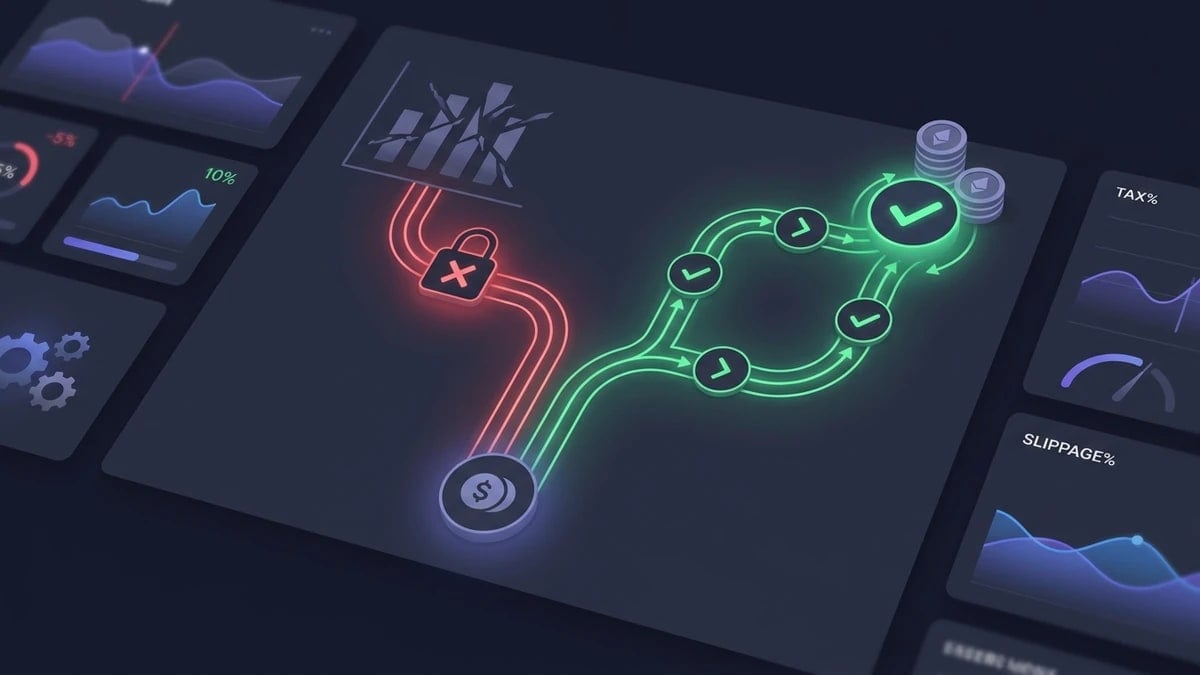
Check if a token can actually be sold before buying: learn how sellability differs from hype, and how taxes, honeypots, and weak liquidity trap buyers.
One of the most expensive mistakes in crypto is assuming that because a token can be bought, it can also be sold cleanly. That sounds obvious, but traders still skip this check every day, especially on fresh launches where the chart is moving too fast to encourage patience.
A token can look active, liquid, and exciting while still being very hard to exit. The failure mode is not always a textbook honeypot. Sometimes it is a blacklisted path, a massive sell tax, weak liquidity, routing issues, wallet restrictions, or a contract setup that treats public sellers differently from privileged wallets.
This guide explains how to check if a token can actually be sold before buying, what signals matter most, and how to separate a normal risky launch from a structurally unfair one.
Quick take
- Do not treat buyability as proof of sellability. They are different checks.
- A token may fail sellability because of honeypot behavior, blacklist logic, bad taxes, thin liquidity, or broken routing.
- The right workflow combines contract review, tax review, liquidity review, and practical sell-path skepticism.
- If sellability is unclear, the safest default is usually to size down or skip the trade.
Why traders get sellability wrong
Most people judge a token through the chart first. If price is moving up and buys are printing, they assume a market exists on both sides. But a chart is only a partial picture. It tells you that some transactions are happening, not that your wallet will be allowed to exit under normal conditions.
That is why sellability deserves its own check. You are not only asking whether the token is popular. You are asking whether the market structure and contract logic allow outside buyers to leave fairly once they are in.
Why a token may be buyable but hard to sell
The core sellability checks before buying
The best workflow is layered. No single check is enough. What matters is whether several signals point toward a fair market or an asymmetric one.
A practical sellability workflow
- ✔ Inspect the contract for transfer restrictions, blacklist logic, pauses, or other admin controls that can affect sellers.
- ✔ Review buy and sell taxes instead of assuming the chart tells the whole fee story. Use buy/sell tax checks.
- ✔ Check liquidity depth and whether the LP position is safe, weak, or still fully controllable. Pair this with unlocked liquidity analysis.
- ✔ Look for blacklist or control logic that can affect specific wallets. See blacklisted token analysis.
- ✔ Treat unclear sellability as a real red flag, even if the chart still looks strong.
How sellability differs from honeypot detection
Honeypots are one subset of the problem. A honeypot is the classic version where buying works and selling does not. But broader sellability analysis is more useful because it catches problems that are not pure honeypots yet still hurt traders badly.
Sellability is broader than honeypot analysis
Why liquidity matters almost as much as contract logic
A token does not need a malicious contract to become effectively unsellable for real traders. If the liquidity is thin, removable, or concentrated, the market can punish exits so severely that the practical result feels similar. This is why contract review and market-depth review should never be separated.
A token can be “sellable” and still be a terrible exit market
- ✘ If liquidity is weak, even honest selling can produce brutal slippage.
- ✘ If liquidity is unlocked, the market conditions can worsen suddenly before you get out.
- ✘ If top holders are concentrated, your exit quality depends on what insiders do before you.
- ✘ If the token deployer or surrounding wallet cluster looks weak, even temporary sellability may not last.
What to do when sellability is unclear
Traders often want a binary answer, but the real world is messy. Sometimes the right decision is not “safe” or “scam.” It is simply “not transparent enough for the size I want to take.” That is a valid trading decision, and usually a smart one.
If sellability is unclear, the best response is to lower exposure, wait for more market history, or skip the trade. That is especially true when the token also shows weak deployer history, questionable taxes, or removable liquidity.
Final takeaway
The best way to check if a token can actually be sold before buying is to stop treating the chart as proof of a fair market. The chart shows activity. It does not prove equal exit rights.
The practical rule is simple: check the contract, check the taxes, check the liquidity, and check the control paths before you trust the trade. If any part of the sell path feels hidden, asymmetric, or fragile, the safer assumption is that the risk is real until proven otherwise.
Related reads on DEXTools
FAQ
How do you check if a token can actually be sold?
The fastest approach is to inspect sell-path behavior, taxes, liquidity depth, router compatibility, and any contract restrictions before sizing in. A token can look buyable on the chart while still being hard or impossible to exit cleanly.
Is a token that cannot be sold always a honeypot?
Not always, but the symptom often overlaps. A token may fail sellability because of blacklist logic, hidden taxes, broken routing, thin liquidity, pause controls, or outright honeypot behavior.
Why is sellability different from a rising chart?
Because a rising chart can still sit on shallow or asymmetric trading conditions. Buy activity alone does not prove public traders can exit fairly.
What should you check besides sellability?
You should still check holder concentration, liquidity control, deployer history, and contract permissions. Sellability is one core check, not the whole due-diligence process.
Disclaimer: This content is for informational purposes only and does not constitute financial advice. Crypto investments carry risks, including loss of capital.
Related Guides
- How to Check Liquidity Lock Before Buying a Token: Unlock Risk and Locker Verification (2026)
- How to Check Buy and Sell Tax Before Buying a Token (2026)
- How to Read Liquidity Pool Data Before Buying a Token (2026)
- How to Verify Token Safety Before Buying: A Pre-Buy Crypto Checklist
- How to Read Token Unlocks Before Buying in 2026
Frequently Asked Questions
How do I check if a token can actually be sold before buying?
You can review the contract for selling restrictions, check whether others have successfully sold, and use tools that simulate a sell transaction. Confirming sellability matters because a token that is easy to buy is not always easy to sell.
What is a honeypot token?
A honeypot is a token designed so buyers can purchase it but cannot sell, trapping their funds. The contract may include hidden rules that block or revert sell transactions for ordinary holders.
Can high taxes stop me from selling a token?
Some tokens charge very high sell taxes that make exiting a position costly or impractical, even if selling is technically allowed. Checking the buy and sell fees before trading helps you avoid surprises at exit.
How does weak liquidity affect selling a token?
If a token has very little liquidity, trying to sell can cause heavy slippage or fail to fill at a reasonable price. Thin liquidity can effectively trap holders even when the contract allows selling.