What Is an Admin Wallet in Crypto? Red Flags
— By Tony Rabbit in Tutorials

Admin wallet explained: learn which privileged controls it can hold and how admin powers change freeze risk, token rules, and trader safety.
Results for what is an admin wallet in crypto can drift into generic Web3 operations. This guide specifically targets the privileged token-control wallet meaning used in risk analysis.
Some of the most important token risks do not come from the chart or the roadmap. They come from wallets that can still press the wrong buttons after users buy in. That is why the admin wallet matters.
Intent check: This page focuses on operational control wallets that can still execute privileged functions. If you want the narrower contract-ownership angle, read What Is an Owner Wallet in Crypto?
An admin wallet in crypto is a privileged wallet that can perform operational or control actions on a token or contract, even if it is not the formal owner wallet. Those actions may include changing fees, freezing transfers, blacklisting addresses, pausing activity, setting exemptions, or adjusting other critical rules.
Search results for this query are usually a mess, often about exchange dashboards or wallet apps. Traders need a much more useful explanation: what an admin wallet can still do to token holders after launch.
Quick take
- An admin wallet is a privileged operational wallet, not just any project wallet.
- It matters because admin powers can shape live trading conditions for normal users.
- Admin wallet is related to owner wallet, but it is not always the same thing.
- The main due-diligence question is whether the admin wallet can still freeze, blacklist, exempt, tax, or otherwise control users.
What an admin wallet means in crypto
In practical terms, an admin wallet holds one or more special permissions inside the token or contract. It may not own the contract outright, but it can still make decisions that affect how the token behaves in the market. For traders, that means the admin wallet can represent a direct execution-risk layer, not just an abstract governance detail.

Admin wallet vs related privileged wallets
Why admin wallets matter to traders
The reason is simple. Admin powers often map directly to the risks users feel most painfully: frozen transfers, blacklist risk, fee changes, sell restrictions, or privileged exemptions. A token can look normal until the admin wallet is used.
What admin-wallet analysis helps you judge
Admin wallet vs owner wallet
This distinction matters because the owner wallet and admin wallet answer different questions. The owner wallet often sits at the top of the hierarchy. The admin wallet is the one that may still carry out the day-to-day control actions that hurt or help traders directly. In other words, ownership explains the structure. Admin permissions explain the behavior.
What admin-wallet analysis cannot prove alone
- ✘ It does not replace owner-wallet analysis, because you still need to know where the admin role gets its authority.
- ✘ It does not replace freeze-control analysis, because some specific risks deserve their own deeper check.
- ✘ It does not replace blacklist-risk analysis, because selective blocks often matter most in practice.
- ✘ It does not mean every admin role is malicious, only that every live control role should be explained clearly.
How to inspect an admin wallet in practice
The clean workflow is to identify what permissions the admin wallet has, how those permissions affect ordinary users, and whether the project has reduced or constrained them after launch. If the admin wallet can still change critical market behavior, that deserves real weight in your risk model.
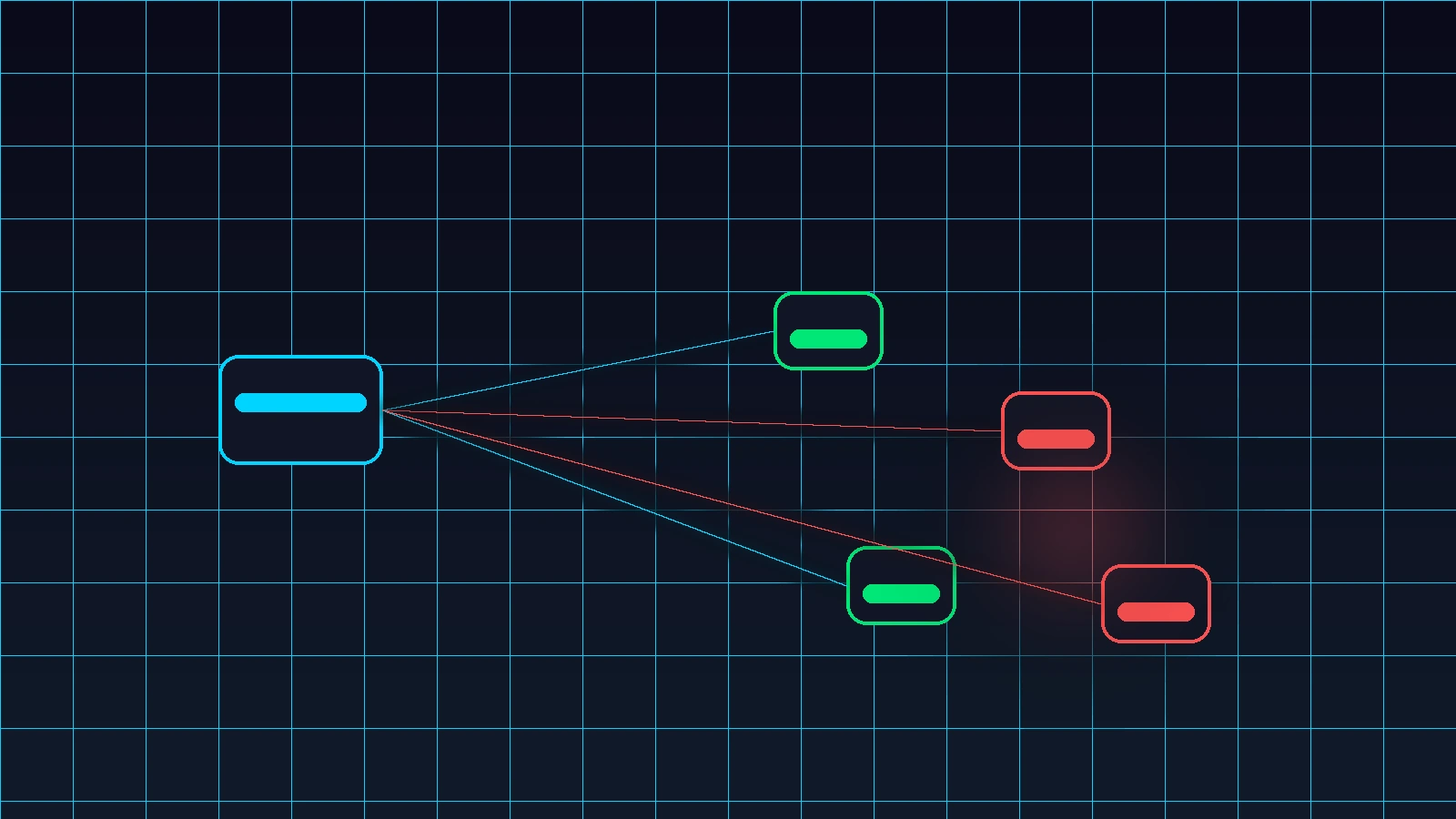
A practical admin-wallet workflow
- ✔ Check what exact permissions the admin wallet still holds.
- ✔ Map those permissions to real holder risk such as freeze, blacklist, fee, exemption, or pause control.
- ✔ Separate ownership from administration so you understand both the hierarchy and the active operator.
- ✔ Treat vague answers about admin powers as a red flag, especially on low-cap launches.
- ✔ Judge the token by what privileged wallets can still do, not just by what the website claims.
Final takeaway
An admin wallet in crypto matters because it can be the hand that actually uses the token’s retained powers. Even if ownership looks distant, admin permissions can still shape how the market works for normal users.
The practical rule is simple: if a privileged wallet can still change the rules, those rules are not fully settled.
Related reads on DEXTools
- What Is an Owner Wallet in Crypto? Contract Control and Why It Matters (2026)
- What Is a Frozen Token in Crypto? Why Transfer Control Matters (2026)
- What Is a Blacklisted Token in Crypto? How Wallet Blocks Work and Why They Matter (2026)
- What Is a Fee-on-Transfer Token in Crypto? How Transfer Taxes Work (2026)
FAQ
What is an admin wallet in crypto?
An admin wallet is a privileged wallet that can perform operational or control actions on a token or contract, even if it is not the formal owner wallet.
Why does an admin wallet matter?
It matters because admin wallets can hold powers that affect transfers, fees, exemptions, blacklists, freezes, or other live trading conditions.
Is an admin wallet the same as owner wallet?
Not always. An owner wallet may sit above the admin role, while admin wallets may hold narrower but still dangerous operational permissions.
What should traders check first?
They should check what the admin wallet can do, whether its powers can hurt normal holders, and whether those powers are still active after launch.
Disclaimer: This content is for informational purposes only and does not constitute financial advice. Crypto investments carry risks, including loss of capital.
Related Guides
- When Not to Trade: 12 Red Flags Every DeFi Trader Should Know
- How to Evaluate Yield Farms in Crypto: APY Quality, Risks and Red Flags (2026)
- Wash Trading Red Flags on Exchanges and DEXs (2026)
- What Is a Top Holder in Crypto? Concentration, Supply Risk, and Red Flags
- How to Detect a Honeypot Token in 60 Seconds: Fast Crypto Safety Test (2026)
Frequently Asked Questions
What is an admin wallet in crypto?
An admin wallet is a wallet that holds privileged control over a token or smart contract, often through an owner or admin role coded into the contract. It can perform actions ordinary holders cannot, depending on what powers the contract grants it.
What can an admin wallet do?
Depending on the contract, an admin wallet may be able to do things like change fees, pause trading, mint new tokens, or modify certain rules. The exact powers vary by project and are defined by the smart contract code.
Why is an admin wallet a potential red flag?
Strong admin powers can be misused to harm holders, for example by freezing transfers, raising taxes, or minting large amounts of new supply. Reviewing what an admin wallet can control helps you judge how much trust a token requires.
How can admin wallet risk be reduced?
Projects sometimes reduce this risk by renouncing ownership, removing privileged functions, or placing admin control behind a multi-signature setup or time lock. Checking whether such safeguards exist can help you assess how much centralized control remains.