What Is an Owner Wallet in Crypto? Guide (2026)
— By Tony Rabbit in Tutorials

Owner wallet explained: learn which permissions it can hold and why contract ownership matters for taxes, minting, pausing, and overall trader risk.
Results for what is an owner wallet in crypto can drift into general wallet ownership. This guide is specifically about the smart-contract owner wallet and the risks tied to admin permissions.
When traders hear that a contract is “owned,” they often know that it matters but not exactly why. The missing piece is usually the wallet itself. If a privileged wallet still controls the contract, then decentralization claims may be much weaker than they sound. That is the role of the owner wallet.
Intent check: This page focuses on the privileged wallet that still owns contract-level control. If you want the broader operational-control angle, read What Is an Admin Wallet in Crypto?
An owner wallet in crypto is the wallet that holds ownership or top-level control over a contract, token, or protocol component. Depending on the design, it may be able to transfer ownership, assign other roles, change settings, or keep meaningful central authority over how the token behaves.
This is where search results tend to fail badly. Many results interpret “owner wallet” as “who owns a random crypto address?” Traders need something very different: a guide to control wallets inside token and contract systems.
Quick take
- An owner wallet is the wallet holding top-level contract control.
- It matters because ownership often determines whether critical permissions can still be changed or reassigned.
- Owner wallet is not always the same as admin wallet, even though the two are related.
- The real question is not just whether an owner exists, but what that owner can still do.
What an owner wallet means in crypto
In practical terms, the owner wallet is the wallet recognized by the contract as having the highest control rights. That may include the ability to transfer ownership, set or remove privileged roles, change economic settings, or keep governance concentrated in one address. Even if those powers are never used, their existence still changes risk.

Owner wallet vs related control wallets
Why owner wallets matter to traders
The reason is simple. Ownership is the root of many other permissions. If an owner wallet still holds broad control, then settings, roles, and future behavior may still be changeable. That means the token’s current state may not be its lasting state.
What owner-wallet analysis helps you judge
Owner wallet vs admin wallet
This distinction matters because many users mix them together. The owner wallet usually sits at the top of the control tree. The admin wallet may perform important functions without holding that top-level ownership. Both matter, but they answer different questions about power structure.
What owner-wallet analysis cannot prove alone
- ✘ It does not replace renounced-contract analysis, because ownership status can change.
- ✘ It does not replace verified-contract analysis, because you still need readable code and trustable functions.
- ✘ It does not replace admin-role analysis, because important powers may live in separate privileged wallets.
- ✘ It does not mean every owned contract is malicious, only that ownership should never be ignored.
How to inspect an owner wallet in practice
The clean workflow is to verify whether an owner wallet still exists, identify what powers ownership grants, and check whether that ownership can assign or change other roles. If the project cannot explain that clearly, the risk deserves more weight than the marketing.
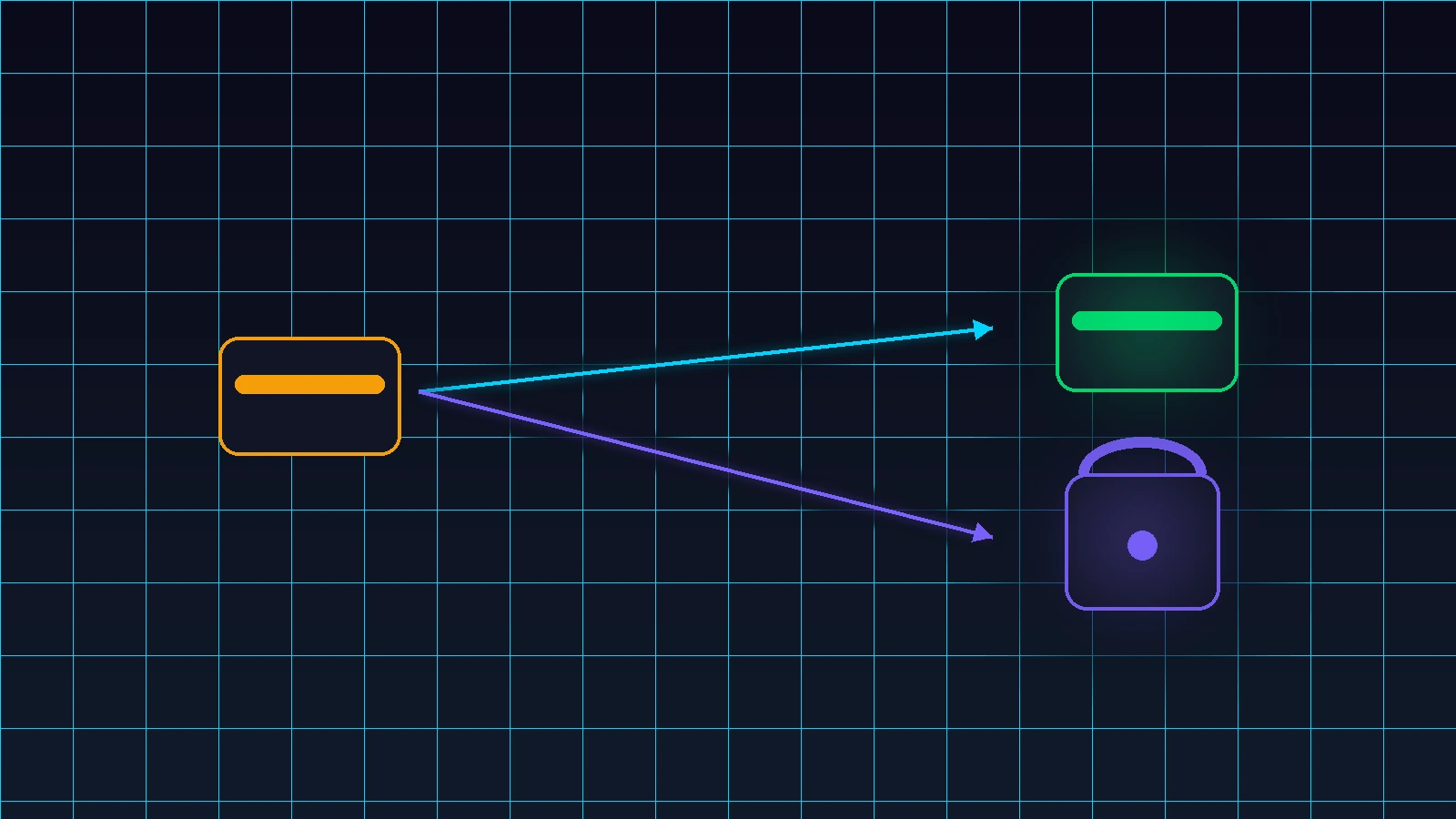
A practical owner-wallet workflow
- ✔ Check whether the contract still has an active owner wallet.
- ✔ Map what powers the owner wallet retains over settings, roles, or supply-related behavior.
- ✔ Separate the original deployer from the current owner, because they may not be the same wallet.
- ✔ Treat owner-wallet opacity as a real risk signal, especially on fresh launches.
- ✔ Compare the ownership model with the project’s decentralization claims before trusting the token.
Final takeaway
An owner wallet in crypto matters because it often sits at the top of the permission hierarchy. If that wallet still has broad control, then the token may still be much more centralized than it looks from the chart alone.
The practical rule is simple: when a token says “trust the contract,” ask who still owns it.
Related reads on DEXTools
- What Is an Admin Wallet in Crypto? Hidden Controls, Freeze Risk and Red Flags (2026)
- What Is a Deployer Wallet in Crypto? Why Launch History Matters (2026)
- What Is a Renounced Contract in Crypto? Risks, Myths and What It Really Proves (2026)
- What Is a Verified Contract in Crypto? How to Check It Before Buying (2026)
FAQ
What is an owner wallet in crypto?
An owner wallet is the wallet that holds ownership or top-level control over a contract, token, or protocol component.
Why does an owner wallet matter?
It matters because the owner wallet may be able to transfer ownership, change key settings, assign other roles, or keep central control over the token.
Is owner wallet the same as admin wallet?
Not always. The owner wallet usually refers to the highest control layer, while an admin wallet may hold narrower operational powers without full ownership.
What should traders check first?
They should check whether the owner wallet still exists, what powers it retains, and whether ownership has been transferred, limited, or renounced.
Disclaimer: This content is for informational purposes only and does not constitute financial advice. Crypto investments carry risks, including loss of capital.
Related Guides
- Nasdaq, NYSE Owner Race to Put $126 Trillion Equity Market on Blockchain
- How to Withdraw from a CEX to Self-Custody Wallets
- What Is Wallet Poisoning? Crypto Security Guide 2026
- Wallet Nonce: Fix Stuck Transactions (2026)
- What Is wagmi: React Hooks, Wallet Connectors and EVM State (2026)
Frequently Asked Questions
What is an owner wallet in crypto?
An owner wallet is the address that holds administrative control over a smart contract, often the one that deployed it. Depending on the contract, it can hold special permissions that ordinary holders do not have.
What permissions can an owner wallet have?
An owner wallet may be able to perform privileged actions such as minting new tokens, pausing transfers, or changing fees, depending on how the contract is written. The exact powers vary by project and are defined in the contract code.
Why does the owner wallet matter for traders?
The owner wallet's permissions can directly affect a token's risk, since powerful controls could be used to alter supply, fees, or transferability. Checking these permissions helps traders understand how much trust they are placing in the project team.
How can I check a token's owner wallet permissions?
You can review the contract code or use token analysis tools that flag privileged functions like minting or pausing. Understanding whether ownership has been renounced or remains active is an important part of assessing risk.