What Is Bid-Ask Spread in Crypto? Full Guide
— By Tony Rabbit in Tutorials

What is bid-ask spread in crypto? Learn why it matters for execution, how it differs from slippage, and how to reduce spread cost on real exchanges.
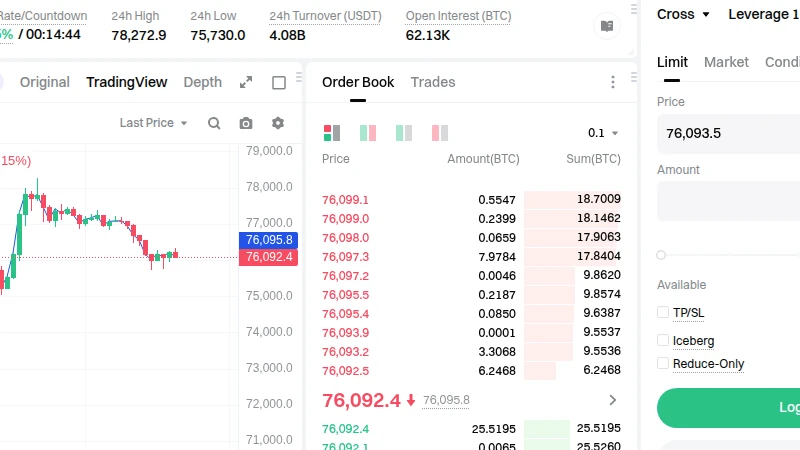
Bid-ask spread is one of the simplest concepts in crypto trading, but it is also one of the easiest costs to ignore. Many beginners focus on chart direction and exchange fees, then wonder why a trade starts slightly red the moment it fills. In many cases, the reason is not a bad chart. It is the spread, the gap between the best available buy price and the best available sell price inside the order book.
This matters on both spot and perpetual markets. On liquid pairs like BTC or ETH, the spread is often tight and easy to overlook. On thinner altcoin pairs, volatile sessions, or rushed market orders, the spread can become a real drag on performance. That is why understanding spread is not optional. It is part of understanding execution itself.
Quick answer
- Bid-ask spread = the gap between the highest bid and the lowest ask in the market right now.
- A tight spread usually signals deeper, more competitive liquidity around the current price.
- A wide spread usually means more friction, more hidden cost, and more execution risk for takers.
- Spread is not the same as slippage. Spread is the quoted gap. Slippage is what happens when your actual fill moves through available liquidity.

What Bid-Ask Spread Actually Means
The bid is the highest price a buyer is willing to pay right now. The ask is the lowest price a seller is willing to accept right now. The spread is the distance between those two prices. If the best bid is $76,105 and the best ask is $76,106, the spread is $1. If the spread is wider, you are paying a larger execution gap to cross the market.
The simple formula
If you want the wider market-structure background, our order book guide explains how bids, asks, and resting liquidity fit together. This article stays focused on the execution cost hiding inside that structure.
Where Spread Comes From in Crypto
Spread is mainly a liquidity story. When many participants are competing to buy and sell around the same price, the gap usually gets tighter. When liquidity thins out, uncertainty rises, or the pair itself is not traded heavily, the gap widens. That is why BTC and ETH usually trade tighter than small-cap tokens, and why spreads can suddenly blow out during fast news, liquidations, or off-peak sessions.
This also explains why spread differs across venues. A pair can be liquid on one exchange and noticeably worse on another. Looking only at headline trading fees misses that. Real execution quality comes from the mix of spread, depth, slippage, and fees together.
Why Spread Matters More Than Beginners Think
The first reason is simple: spread is a hidden cost on entry and exit. If you buy using the ask and later need to sell into the bid, price has to move in your favor just to cancel out that gap. On tight BTC markets that cost may feel small. On low-liquidity alts or aggressive market orders, it can become a meaningful percentage immediately.
The second reason is that spread compounds. Day traders, scalpers, and anyone rotating size frequently are not paying the spread once. They are crossing it repeatedly. That means even a modest gap can materially drag on performance over time, especially when it stacks on top of fees and slippage.
A practical example
Bid-Ask Spread vs Slippage
Spread and slippage are related, but they are not the same thing. Spread is the visible quoted gap between the best buyer and best seller. Slippage is what happens when your order actually fills worse than expected because it sweeps through available liquidity or the market moves while you are executing.
That is why spread should be read together with depth. If you want the deeper execution side, our guide on slippage is the natural follow-up.
What a Tight or Wide Spread Tells You
None of this means spread alone predicts direction. It does not. What it does do is tell you how expensive it may be to act right now. That makes it one of the fastest ways to judge whether a market is friendly or hostile to your order size.
How to Reduce Spread Cost
- Use limit orders when possible: they give you more control than blindly crossing the spread with a market order.
- Trade more liquid pairs: major pairs usually offer cleaner spread conditions than thin altcoin books.
- Avoid dead sessions: liquidity often worsens when participation drops or markets are between active regional sessions.
- Split larger orders: breaking size into smaller clips can reduce the combined pain of spread plus slippage.
- Compare venues, not just fee schedules: a lower-fee venue with a worse spread is not always cheaper in practice.
For traders who care about the full execution stack, maker vs taker fees is also worth reading. Fees and spread work together, and one can easily cancel out the savings from the other.
Common mistake
Frequently Asked Questions
What is bid-ask spread in crypto?
Bid-ask spread in crypto is the gap between the highest bid price buyers are offering and the lowest ask price sellers are requesting at that moment.
Why does spread matter if trading fees are low?
Because spread is a separate execution cost. A pair can advertise low fees and still give you poor entry and exit prices if the spread is wide.
Is spread the same as slippage?
No. Spread is the quoted gap between best bid and best ask. Slippage is the difference between the price you expected and the price you actually got when the order executed.
Why are spreads wider on some altcoins?
Usually because there is less liquidity, less competition between buyers and sellers, and more price volatility around the current market.
How do I reduce spread cost?
Use limit orders when possible, trade more liquid pairs, avoid thin sessions, and break large orders into smaller pieces when liquidity is shallow.
Related DEXTools tutorials
Disclaimer: This article is for educational purposes only and does not constitute investment, financial, legal, or trading advice. Market conditions, spread, and liquidity can change quickly across exchanges and trading pairs.