What Is Plasma Crypto Chain? The Bitcoin-Stablecoin L2
— By AliceOnChain in Tutorials

An advanced analytical guide exploring the architecture of the Plasma crypto chain, its unique Bitcoin-anchored stablecoin ecosystem, and how to track its core on-chain metrics using DEXTools.
What Is Plasma? The Bitcoin-Anchored Stablecoin Blockchain
The evolution of decentralized finance (DeFi) has historically been driven by the pursuit of scalability, security, and capital efficiency. While Ethereum pioneered smart contracts and liquidity pools, Bitcoin has remained the ultimate settlement layer due to its unmatched security and decentralization. However, utilizing Bitcoin for high-frequency stablecoin transactions has traditionally faced structural bottlenecks. For intermediate traders exploring modern scaling architectures, understanding what is plasma crypto chain technology reveals a specialized layer-2 framework designed to offload transaction throughput from a primary network while anchoring its ultimate cryptographic security to Bitcoin's immutable ledger.
For on-chain analysts and decentralized application (dApp) traders, navigating a unique environment like a Bitcoin-anchored stablecoin network requires a sophisticated understanding of both architecture and liquidity tracking. This tutorial breaks down the technical infrastructure of the Plasma crypto chain framework and demonstrates how to utilize DEXTools advanced features to monitor asset health, whale distribution, and liquidity dynamics within emerging ecosystems.
Understanding the Architecture: Parent and Child Chains
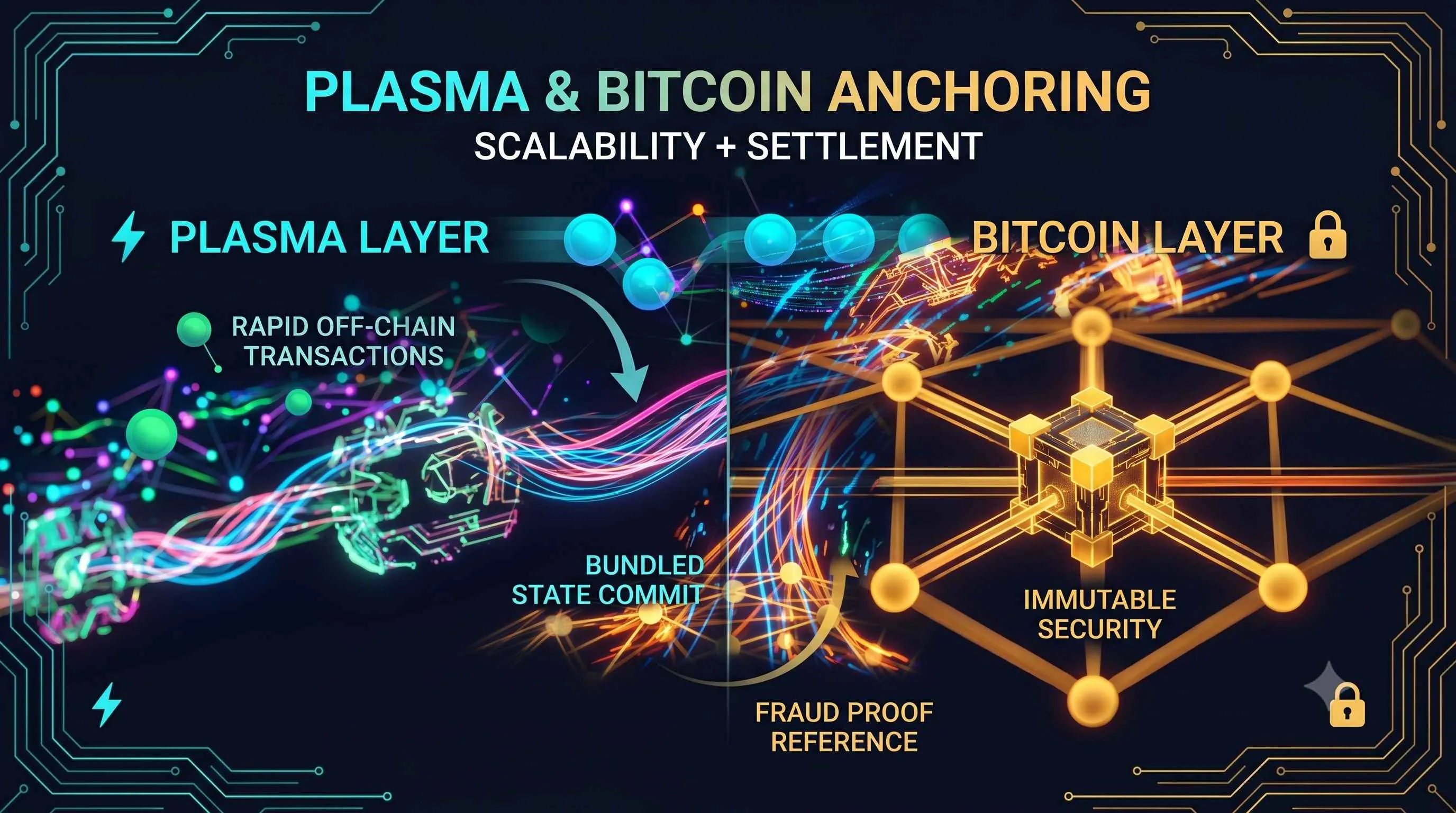
To fully grasp the operational mechanics behind what is plasma crypto chain infrastructures, it is essential to look at the relationship between parent chains and child chains. In traditional blockchain architecture, a Plasma-style network operates as a secondary framework that executes transactions off-chain while periodically committing state updates to the root network.
When analyzing what is plasma crypto chain capabilities in a modern context, we see that this framework adapts beautifully as a Bitcoin-anchored stablecoin blockchain. The network utilizes specialized cryptographic proofs to bind its state transitions to Bitcoin’s immutable ledger. This structure allows users to benefit from low latency, near-zero transaction fees, and high throughput for stablecoins, without sacrificing the underlying economic security provided by Bitcoin's proof-of-work (PoW) model.
The Mechanics of Bitcoin Anchoring
Unlike standard EVM-compatible sidechains that rely entirely on independent validator sets, a Bitcoin-anchored stablecoin network frequently posts Merkle roots of its transactional data directly onto the Bitcoin blockchain.
State Commits: Transactions occurring on the Plasma crypto chain are bundled into blocks.
Cryptographic Security: The block headers are hashed and committed to the Bitcoin network via specific transaction scripts or specialized opcodes.
Fraud Proofs: If a malicious validator attempts to submit an invalid state transition, users can submit fraud proofs to dispute the state, referencing the historical data anchored to the secure root chain.
This architecture can mitigate systemic risks associated with traditional cross-chain bridges, which are historically vulnerable to smart contract exploits. When assessing what is plasma crypto chain technology compared to basic bridges, the reliance on Bitcoin as the final arbiter of truth aims to create a highly resilient environment for pegged assets and algorithmic or collateralized stablecoins.
On-Chain Analysis Dynamics on Plasma-Style Networks
Trading or providing liquidity within a Bitcoin-anchored stablecoin network demands a systematic approach to data analysis. Because stablecoin ecosystems rely heavily on deep liquidity and tight peg maintenance, monitoring on-chain metrics across the plasma crypto chain is paramount to managing risk.
Market participants must shift their focus from purely speculative price action to fundamental metrics such as liquidity depth, volume consistency, and holder distribution.
1. Evaluating Liquidity Depth and Volume Consistency
On any network designed around stablecoins, liquidity is the lifeblood of the ecosystem. Low liquidity leads to high slippage, which can cause stablecoins to deviate temporarily from their intended pegs during high-volatility events.
When evaluating assets on emerging chains, utilizing the DEXTools Pair Explorer allows traders to monitor the pool configuration in real time. For anyone studying what is plasma crypto chain liquidity dynamics, pay close attention to the ratio between total value locked (TVL) and daily trading volume. A high volume-to-liquidity ratio can signal organic utility and high capital efficiency. Conversely, if volume drops precipitously while liquidity remains stagnant, it may indicate a decline in network activity or a shifting capital migration toward competing layer-2 networks.
2. Monitoring Holder Distribution and Whale Activity
Centralization represents a significant structural risk in early-stage blockchain deployments. If a small percentage of wallet addresses controls a disproportionate share of a stablecoin’s collateral or circulating supply, the asset is highly susceptible to sudden liquidity drains or cascading liquidations.
Advanced on-chain tracking on a plasma crypto chain involves inspecting wallet structures via DEXTools Holder Analysis. Look for wallets that exhibit patterns of continuous accumulation or aggressive distribution. Furthermore, cross-referencing this data with structural visualization tools like Bubblemaps can reveal hidden connections between seemingly independent addresses. If multiple top holders are linked through historical funding transactions, the actual decentralization of the asset may be lower than surface-level data suggests, introducing hidden counterparty risks.
Step-by-Step Tutorial: Analyzing Assets with DEXTools
Navigating a new blockchain ecosystem requires reliable tooling to filter out noise and identify true market structure. Here is how to systematically analyze tokens and stablecoins on advanced networks using the DEXTools toolkit.
Step 1: Querying the Asset via Pair Explorer
Begin by pasting the specific smart contract address of the token into the search bar. Ensure you are looking at the verified contract to avoid copycat pools. The interface will populate the primary chart, liquidity data, and recent transaction history on the target plasma crypto chain.
Step 2: Assessing Technical Indicators and Price Action
Even stablecoins or stablecoin-paired utility tokens experience localized volatility. Analyze the price chart using key technical parameters:
Support and Resistance: Identify clear horizontal levels where buyers historically step in or where selling pressure intensifies.
RSI Divergence: Look for discrepancies between price action and the Relative Strength Index (RSI). For instance, if the token price hits a new localized low but the RSI forms a higher low, it may indicate a bullish divergence, suggesting that the selling momentum is exhausting.
Step 3: Setting Tactical Price Alerts
Given that volatility management is crucial when trading assets pegged to or backed by Bitcoin, sudden market shifts can happen rapidly. Use DEXTools Price Alerts to establish notifications at critical support breaks or resistance breaches. This removes emotional bias from your execution strategy, allowing you to react based on predefined technical boundaries.
Step 4: Reviewing the Top Traders and Smart Money Flows
Navigate to the Top Traders tab to observe the behavior of historical addresses that have generated the highest realized profits on the pair. If the top-performing wallets are consistently exiting their positions into stablecoin pairings, it can signal an impending shift in market sentiment or a broader rotation out of the risk asset.
Volatility Management and Risk Mitigation
Operating within a Bitcoin-anchored stablecoin network introduces unique risk vectors that differ from standard fiat-backed ecosystems. Because Bitcoin itself is a highly volatile asset, any synthetic or algorithmic stablecoin relying on Bitcoin-anchored mechanisms on a plasma crypto chain can experience collateral fluctuations.
Collateralization Ratios: Regularly audit the on-chain reserves backing the stablecoins. If the value of the underlying Bitcoin collateral drops faster than the system can rebalance, the risk of under-collateralization increases.
Slippage Management: When executing large transactions, always adjust your slippage tolerances in accordance with the pool's current liquidity depth. High slippage executions permanently erode capital efficiency.
Network Congestion: Monitor the state commit intervals. If the parent network (Bitcoin) experiences severe mempool congestion, the settlement times for fraud proofs or cross-chain exits may lengthen, potentially impacting the asset's immediate liquidity profile.
Conclusion: The Analytical Approach to Layer-2 Evolution
Understanding the structure of a Plasma crypto chain in the modern DeFi landscape requires looking beyond the technical jargon and focusing on structural utility. By combining the transaction efficiency of a specialized layer-2 scaling solution with the macroeconomic security of the Bitcoin network, these architectures offer an intriguing paradigm for stablecoin deployment.
However, technology alone does not guarantee market stability. Successful navigation of these ecosystems relies entirely on rigorous data verification. By consistently monitoring volume metrics, tracking whale distribution networks, and implementing strict volatility management strategies via DEXTools, intermediate traders can navigate these advanced protocols with a clearer, data-driven perspective.
What Is Plasma (XPL)? Bitcoin-Anchored Stablecoin Layer 1 Guide 2026Top 5 Whale Tracking Tools in 2026: Large Wallet Monitoring Across Chains
DEXTools Pair Explorer for Early Liquidity Signals
What Are Liquidity Pools in DeFi? Explained (2026)
Disclaimer: This article is for informational purposes only and does not constitute investment advice, financial advice, trading advice, or any other kind of advice. DEXTools does not recommend buying, selling, or holding any cryptocurrency or token. Users should conduct their own research and consult with a qualified financial advisor before making any investment decisions. Cryptocurrency investments are volatile and high-risk. DEXTools is not responsible for any losses incurred.