How to Bridge to Anubis Chain: Moving Stablecoins and Getting gasDAI for Gas (2026)
— By Tony Rabbit in Tutorials
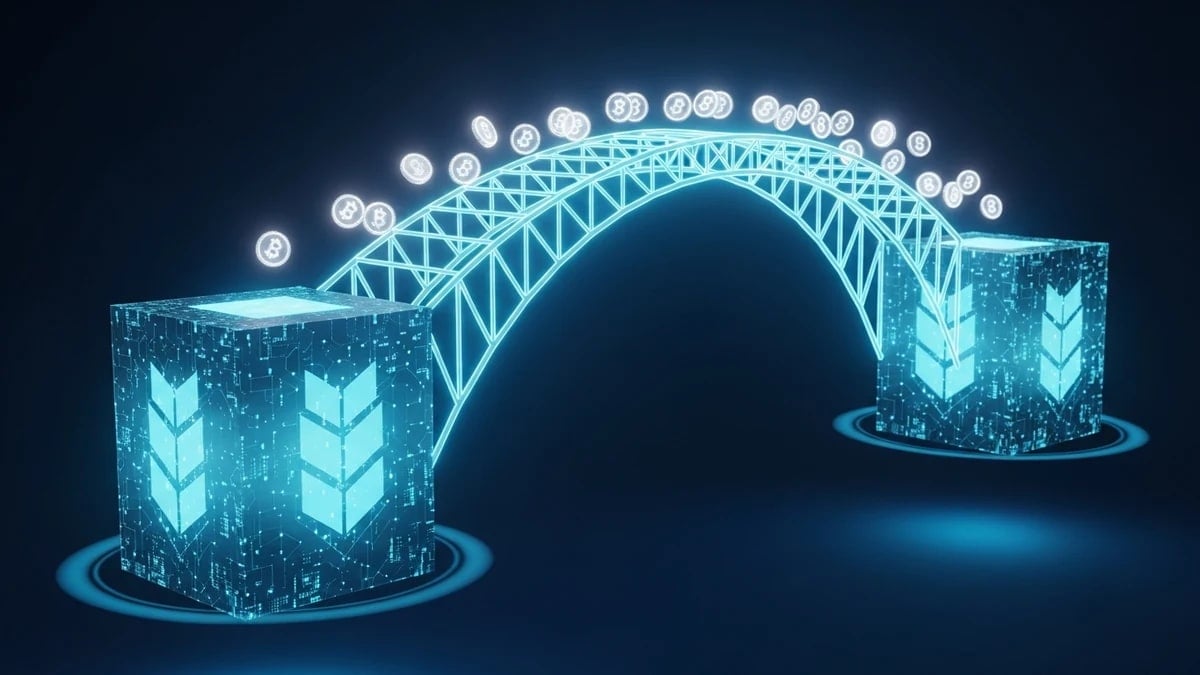
A step-by-step guide to bridging DAI onto Anubis Chain through the official bridge, why gas is paid in gasDAI, and the safety checks to take before you bridge.
To bridge to Anubis Chain, move DAI through the official bridge linked at anubischain.ai onto the network (Chain ID 6714). DAI is the primary on-ramp because gas is paid in gasDAI, a DAI-pegged unit. Always confirm the bridge URL, send a small test amount first, and verify arrival on browser.anubispace.org.
- Use only the official bridge linked at anubischain.ai
- Bridge DAI, the primary on-ramp asset
- Gas is paid in gasDAI, pegged to DAI
- Send a small test amount before the full bridge
- Confirm arrival on browser.anubispace.org
Bridging is the on-ramp to any new network, and on Anubis Chain it has a specific shape: you bridge DAI, and you spend gas in a DAI-pegged unit called gasDAI. That single design choice removes the usual headache of buying a separate volatile gas token before you can do anything. This guide explains exactly how to bridge in, why DAI is the asset that matters, and the safety steps that protect you when moving funds onto a chain that launched in 2026.
Why Bridging to Anubis Chain Is Different
On most networks you bridge an asset and then need the chain's native coin to pay gas. Anubis Chain collapses that into one stable world. Gas is denominated in gasDAI, which is pegged to DAI, so the stablecoin you bridge is closely tied to the unit you spend on fees. The practical effect is that your costs are predictable and you do not have to hold a volatile balance just to transact.
What You Need Before Bridging
- DAI to move. Hold the DAI you want to bridge in a connected EVM wallet.
- Anubis Chain added. Add the network first (Chain ID 6714) so you can see your balance on arrival.
- The official bridge. Reach the bridge only through the official site, anubischain.ai. Never trust a bridge link from a chat or ad.
- A small test amount. Plan to send a tiny amount first to confirm the route works.
How to Bridge DAI to Anubis Chain
The flow follows the same pattern as any modern EVM bridge.
- Open the official bridge from anubischain.ai and connect your wallet.
- Select DAI as the asset and Anubis Chain (Chain ID 6714) as the destination.
- Send a small test amount first and wait for it to arrive.
- Bridge the full amount once the test confirms, then check your balance in your wallet on the Anubis network.
Getting and Using gasDAI for Gas
After your DAI arrives, you need gasDAI to pay for transactions. Because gasDAI is pegged to DAI, the cost of activity is denominated in stable terms rather than a fluctuating coin. Keep a small gasDAI balance available before you try to swap or interact with any contract, the same way you would keep a little ETH on Ethereum.
After You Bridge: Trade on RocketSwap
With DAI on the chain and gasDAI for fees, you are ready to use the ecosystem. RocketSwap, the native DEX, hosts the deepest pools, including the DAI/LGNS pair from the AWAKE genesis project. If this is your first time on the chain, follow our full getting started guide for the swap step.
Bridging Safety Checklist
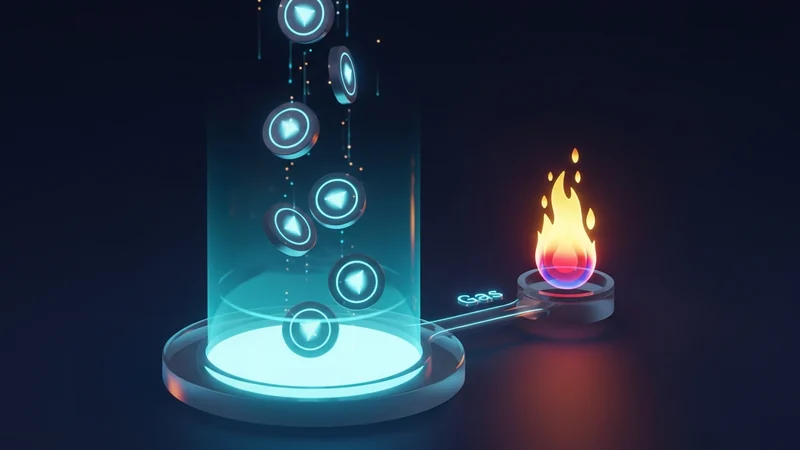
- Official URL only. Reach the bridge through anubischain.ai, typed by hand.
- Verify the destination. Confirm Chain ID 6714 before approving.
- Test small. Always send a small amount first.
- Confirm on the explorer. Check arrival on browser.anubispace.org.
- Revoke if unsure. If anything looks wrong, stop and do not approve further transactions.
How Blockchain Bridges Actually Work
Blockchain bridges are essential infrastructure that allow assets and data to move between otherwise incompatible blockchain networks. Without bridges, different blockchains would remain isolated "islands," severely limiting the interoperability and overall utility of the decentralized ecosystem. They essentially create a pathway, enabling users to leverage the unique features and communities of various chains.
There are two primary models for how these bridges facilitate cross-chain transfers: lock-and-mint and liquidity-pool (sometimes called burn-and-release) bridges. Each model employs different mechanisms to ensure the integrity and transferability of assets across networks.
Lock-and-mint bridges typically involve locking assets on the source chain and then minting an equivalent wrapped version of that asset on the destination chain. When the asset is moved back, the wrapped tokens are burned on the destination chain, and the original assets are unlocked on the source chain. Liquidity-pool bridges, on the other hand, rely on pools of liquidity on both chains. When a user wants to bridge an asset, they deposit it into a pool on the source chain, and an equivalent amount is withdrawn from a pool on the destination chain.
The Main Bridge Risks
While blockchain bridges are vital for interoperability, they also introduce a unique set of risks that users should be aware of. The complexity of cross-chain interactions means that bridges can be attractive targets for malicious actors, and even well-intentioned designs can have vulnerabilities.
One of the most significant risks comes from smart-contract exploits. Bridges often involve complex smart contracts that manage the locking, minting, or liquidity provision of assets. Any vulnerability in these contracts can be exploited, leading to the loss of funds. Additionally, many bridges rely on a set of validators or custodians to secure the assets and verify transactions. If these validators are compromised or collude, the integrity of the bridge can be undermined.
Users also face risks from external factors. Phishing sites designed to mimic legitimate bridge interfaces are a common threat, aiming to trick users into approving malicious transactions or revealing their private keys. Furthermore, the act of bridging itself can sometimes lead to unexpected slippage or delays, especially during periods of high network congestion or low liquidity in the bridge's pools, potentially resulting in a less favorable exchange rate than anticipated or a prolonged waiting period for funds to arrive.
- Smart-Contract Exploits. Vulnerabilities in the code governing bridge operations can lead to significant fund losses.
- Validator/Custodian Compromise. Centralized or multi-sig bridges can be at risk if their operators are compromised or collude.
- Fake Bridge Phishing Sites. Malicious websites mimicking legitimate bridges can trick users into approving transactions that drain their wallets.
- Slippage and Delays. Market volatility, low liquidity, or network congestion can result in less favorable exchange rates or extended transaction times.
Why gasDAI Simplifies Arriving on a New Chain
When bridging to a new blockchain, a common hurdle users face is acquiring the native gas token to pay for transaction fees. This often involves an extra step of finding a decentralized exchange (DEX) or a centralized exchange that supports the new chain's native token, performing a swap, and then transferring it to their wallet, all before they can even make their first transaction on the new chain.
Anubis Chain addresses this friction by using gasDAI as its native gas unit. gasDAI is pegged to DAI, a widely recognized and stable cryptocurrency. This design choice significantly simplifies the user experience for those arriving on the chain, particularly from other EVM-compatible networks where DAI is readily available and frequently used.
The direct peg means that if you bridge DAI to Anubis Chain, the value of the stablecoin you hold is directly tied to the cost of your transactions. You don't need to worry about the volatility of a separate gas token or the additional steps of acquiring it. This integration streamlines the onboarding process, allowing users to immediately engage with the ecosystem's applications, such as making their first trades on RocketSwap, without the typical "gas token scramble."
Stablecoins as an On-Ramp
Stablecoins, such as DAI, have become a preferred on-ramp for users bridging assets between different blockchain networks. Their inherent design offers several advantages that make them ideal for cross-chain transfers, particularly for those looking to explore new ecosystems without exposing themselves to immediate price volatility.
The primary benefit of stablecoins is their stable value. Pegged to fiat currencies like the US dollar, they minimize the risk of price fluctuations during the bridging process. This predictability is crucial when moving funds across chains, as it ensures that the value of the assets you send is largely the same as the value of the assets you receive, minus any bridging fees.
Furthermore, stablecoins often boast deep liquidity across numerous exchanges and decentralized finance (DeFi) protocols. This widespread availability and liquidity make it easier to acquire stablecoins on a source chain and then swap them for other assets once they arrive on the destination chain. For institutional payments and RWA tokenization, predictable accounting is paramount, and stablecoins provide this by offering a consistent unit of account that simplifies financial reporting and compliance.
After Bridging: A Safe First Session
Once you've successfully bridged your assets to Anubis Chain, it's important to follow a safe and methodical approach for your first session. This ensures that your funds have arrived as expected and that you're comfortable with the new environment before committing larger amounts. The goal is to minimize risk and build confidence in your interactions with the chain's ecosystem.
The first step is always to confirm the arrival of your assets. Use the official Anubis Chain explorer to verify your transaction and see your balance. Once confirmed, ensure you have a small amount of gasDAI in your wallet to cover transaction fees. Since gasDAI is pegged to DAI, if you bridged DAI, a portion of it will automatically function as your gas token.
With your funds confirmed and gasDAI ready, make a small test swap on RocketSwap. This initial transaction helps you understand the DEX interface, confirm transaction speeds, and experience the fee structure without risking a significant portion of your assets. Once you're comfortable with the process and have successfully executed a small swap, you can then gradually scale up your activities, exploring other features and applications on Anubis Chain.
- Confirm Arrival. Verify your bridged assets on the Anubis Chain explorer using your wallet address. Transparent transactions confirm in ~1s, shielded transactions take longer.
- Hold GasDAI. Ensure you have sufficient gasDAI for transaction fees. If you bridged DAI, a portion of it will serve this purpose.
- Small Test Swap. Perform a minimal swap on RocketSwap to familiarize yourself with the process and confirm functionality.
- Scale Up. Once confident, gradually increase your transaction sizes and explore other DApps and opportunities on Anubis Chain.
Keep exploring
Frequently Asked Questions
What do I bridge to Anubis Chain?
DAI is the primary on-ramp asset. It is both the main liquidity asset on the chain and the basis for gasDAI, the unit used to pay gas, so bridging DAI sets you up for everything else.
Why is gas paid in gasDAI?
gasDAI is a DAI-pegged gas unit. Pegging gas to a stablecoin makes transaction costs predictable in dollar terms and removes the need to hold a separate volatile token just to transact.
Which bridge should I use for Anubis Chain?
Use only the official bridge linked from anubischain.ai. Fake bridge sites are a leading cause of lost funds on new chains, so type the domain yourself and confirm the destination is Chain ID 6714.
How do I confirm my bridge worked?
Check your wallet balance on the Anubis network and verify the transaction on the official explorer at browser.anubispace.org. Send a small test amount first before bridging the full amount.
What can I do after bridging?
Once you hold DAI and a little gasDAI, you can trade on RocketSwap, the native DEX, which hosts the deepest pools including the DAI/LGNS pair from the AWAKE project.