How to Bridge USDC to Optimism Safely in 2026
— By Tony Rabbit in Tutorials
Learn how to bridge USDC to Optimism safely in 2026, including source-chain checks, native USDC versus USDC.e, gas planning, and safer route selection.
To bridge USDC to Optimism, first confirm your USDC's starting chain, as this dictates available bridge options and fee profiles. Aim for native USDC on Optimism for modern usage, as the older bridged USDC.e is considered legacy. Route selection and gas planning are crucial for a safe transfer.
Bridging USDC to Optimism is a common stablecoin workflow, but it has a subtle trap that weak guides miss: the destination asset details matter. It is not enough to say "USDC on Optimism" and move on. You need to know where the USDC starts, whether the route is necessary at all, and what token version you are actually landing with on OP Mainnet.
This guide answers the exact query how to bridge USDC to Optimism with the safety layer included. That means route selection, gas planning, and one very practical nuance from Optimism documentation: the old bridged USDC.e is legacy, while native USDC is the cleaner target for most modern usage on Optimism.
Quick answer
- Confirm where your USDC starts before you choose any route, because the source chain controls the bridge options and the fee profile.
- Pick a route that makes the destination USDC type clear, especially if you care about native USDC instead of legacy USDC.e.
- Plan for ETH on Optimism for gas after the bridge, because stablecoins do not pay OP Mainnet fees for you.
Why this bridge needs more than one quick click
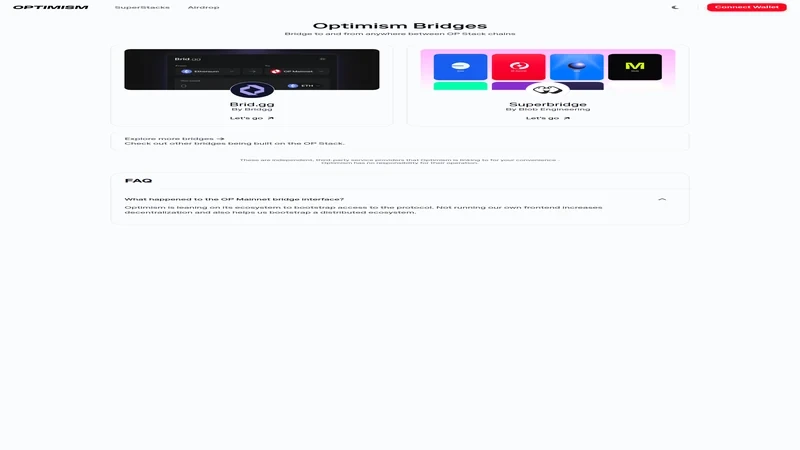
USDC looks simple because it is a stablecoin. The complexity shows up in the route details. Optimism documentation explains that the Standard Bridge can move ETH and most ERC-20 tokens between Ethereum and OP Mainnet, and that other bridge systems with different features also exist. That means users should not assume every route is functionally identical.
The stronger information-gain point is the token version. Optimism documentation also notes that the legacy bridged token USDC.e is being deprecated in favor of native USDC issued by Circle. That matters because some users only notice the difference after the funds arrive and an app or wallet treats the tokens differently than expected.
What actually matters in a USDC to Optimism move
Step 1: Verify the source chain and whether bridging is even necessary
If the USDC is still sitting on an exchange, start by checking whether the exchange already supports direct Optimism withdrawals. That can be simpler than withdrawing somewhere else and bridging later. If the USDC is already in self-custody on another chain, bridging is usually the cleaner route.
This is also where you avoid the classic stablecoin mistake of speaking too generically. "I have USDC" is not enough. You need to know on which chain it currently exists before a safe plan can be built.
Direct withdrawal or manual bridge?
Step 2: Choose the route with native USDC versus legacy USDC.e in mind
This is the step that makes the article worth reading. Optimism documentation explicitly says the old bridged USDC.e token is being deprecated and users should migrate toward native USDC. For a beginner, the practical translation is simple: do not judge a route only by speed and fee. Judge it by whether the asset you receive is the asset you actually want to hold on Optimism.
If your app, exchange back route, or portfolio tracker expects native USDC, that should shape your choice before you bridge. It is a much better question than finding out after the fact that the route technically worked but the asset outcome was not ideal.
USDC to Optimism workflow
Step 3: Prepare the wallet and gas plan on Optimism
USDC is the asset you are moving, but ETH is still what pays for most actions on OP Mainnet. That means the bridge is only half the job. The wallet also needs to be ready to display Optimism, and you need a plan for ETH on Optimism if you intend to swap, deposit, or move the stablecoin again.
Optimism documentation says deposits from Ethereum to OP Mainnet through the Standard Bridge are usually completed within 1 to 3 minutes, which is useful context for expectations. It does not remove the need to verify the result. Fast settlement is helpful, but correct settlement is what matters.
Practical rule
Step 4: Verify the USDC on Optimism before you use it
After the bridge finishes, switch the wallet to OP Mainnet and inspect the balance carefully. Confirm the token details, the route record, and the destination wallet address. If something looks unfamiliar, do not send again immediately. Use the explorer and the bridge status first.
The safer workflow is boring: verify, then act. That one pause keeps many bridge users from turning a visibility issue into a real operational mistake.
Common USDC to Optimism mistakes to avoid
Mistakes that create avoidable friction
Final takeaway: the best USDC-to-Optimism bridge guide does more than explain which button to press. It tells you to confirm the source chain, prefer the right asset outcome, and land with enough ETH on Optimism to make the transfer actually useful.
Frequently asked questions
Is bridging USDC to Optimism better than withdrawing directly from an exchange?
It depends on where the USDC starts. If the funds are still on an exchange with direct Optimism withdrawals, that can be simpler. If the USDC is already in self-custody, bridging is often the natural route.
What is the difference between USDC and USDC.e on Optimism?
Optimism documentation notes that the legacy bridged USDC.e token is being deprecated in favor of native USDC issued by Circle, so users should confirm which version a route will deliver.
Do I need ETH on Optimism after bridging USDC?
Yes. USDC is the asset you are moving, but ETH is still the gas token on OP Mainnet for most app activity.
How long does a USDC bridge to Optimism usually take?
It depends on the route, but Optimism documentation says deposits from Ethereum to OP Mainnet through the Standard Bridge are usually completed within 1 to 3 minutes.
What is the safest first move with a large USDC transfer?
Check the source chain, confirm whether the route lands native USDC or legacy USDC.e, and use a small test first if the workflow is new to you.
Related DEXTools tutorials
Disclaimer: This article is for educational purposes only and does not constitute investment, tax, legal, or routing advice. Bridge providers, token support, and OP Mainnet conventions can change over time. Always verify the live route and destination token details before moving stablecoins.
Beyond the Bridge: Understanding USDC.e and Native USDC Nuances
As you plan your USDC bridge to Optimism in 2026, it is crucial to move beyond simply identifying the "USDC" ticker. The distinction between native USDC and USDC.e (sometimes referred to as "bridged USDC") is fundamental to understanding potential liquidity, utility, and even future regulatory implications on Optimism. While both represent a claim on a US dollar, their underlying provenance and how they interact within the Optimism ecosystem differ significantly, impacting everything from DeFi yields to potential off-ramping strategies.
Native USDC on Optimism is directly issued by Circle on the Optimism network, meaning it has never traversed a bridging mechanism from another chain. USDC.e, conversely, is typically wrapped or represented on Optimism after being bridged from Ethereum Mainnet or another L1. This distinction is not merely semantic; it speaks to the asset's directness of issuance and its potential for seamless integration with protocols that specifically prioritize native assets for deeper liquidity or direct fiat on/off-ramps.
Practical Implications for Your Bridged Assets
Understanding these nuances is key to optimizing your DeFi strategies and avoiding unexpected friction. Here are practical considerations:
- Liquidity Depth: While both are highly liquid, some protocols may have deeper liquidity pools or more favorable trading conditions for native USDC, especially for larger transactions.
- Protocol Compatibility: Certain newer or more specialized protocols on Optimism might explicitly require native USDC for staking, lending, or governance functions to maintain a "pure" asset base.
- Off-Ramping Considerations: Direct fiat off-ramps from Optimism might prioritize native USDC due to its direct issuance and simplified accounting for centralized entities.
- Future Regulatory Landscape: As regulations evolve, directly issued native assets may face different compliance pathways or benefit from clearer regulatory frameworks compared to bridged representations.
- Bridging Back: Be aware that bridging USDC.e back to Ethereum will typically return you the original USDC on Ethereum, not necessarily "native" USDC on Optimism.
Related Guides
- How to Bridge USDC to Base Safely in 2026
- How to Bridge USDC to Arbitrum Safely: Guide 2026
- How to Bridge ETH to Optimism Safely in 2026: Full Guide
- What Is a Stablecoin: Complete Guide to USDT, USDC, DAI (2026)
- WETH vs USDC Pair: Which Trading Pool Is Better?
Frequently Asked Questions
How do I bridge USDC to Optimism?
You use a bridge that locks or burns USDC on the source chain and makes it available on Optimism. You connect a self-custody wallet, select USDC and the amount, confirm the source-chain transaction, and wait for the bridged funds to arrive.
What is the difference between native USDC and USDC.e?
Native USDC is the version issued directly by the stablecoin's issuer for that chain, while USDC.e is a bridged representation of USDC that originated from another chain. They are not always interchangeable in every application, so it helps to confirm which version you hold.
How can I bridge USDC safely?
Verify you are using the official bridge or a reputable route, double-check the destination address and network, and start with a small test amount if unsure. Keeping some native gas token on both chains also helps avoid stuck transactions.
Do I need ETH to bridge to Optimism?
You typically need a small amount of the native gas token to pay fees on both the source chain and on Optimism. Optimism uses ETH for gas, so having a little ETH available helps you complete the bridge and later transactions.