What Is a Hanging Man Candlestick in Crypto Trading? 2026 Guide
— By Tony Rabbit in Tutorials
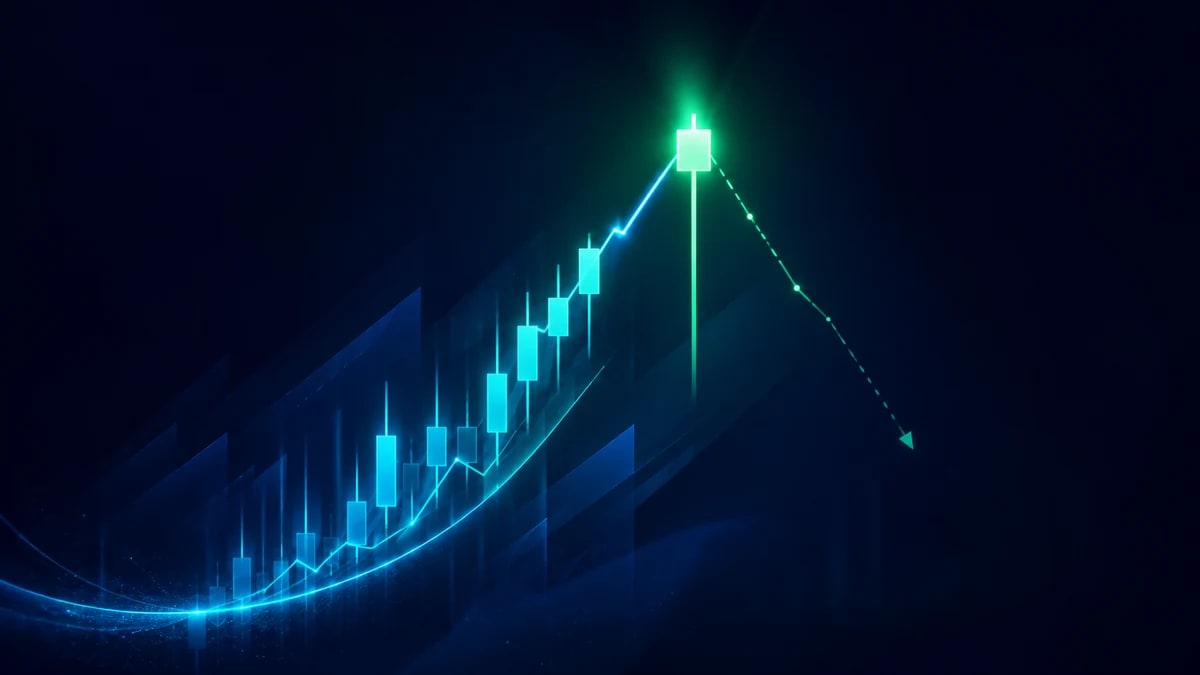
Learn how the hanging man candlestick warns of a possible top in crypto. Understand its shape, how it differs from the hammer, and how to confirm it.
The hanging man candlestick is one of the first warning signs many crypto traders learn to spot near the top of a rally. It is a single bar with a small body and a long lower wick, and when it appears after a sustained move higher it suggests that buyers may be running out of strength. Because crypto markets move fast and trade around the clock, recognizing a hanging man early can help you protect open profits before momentum fades.
In this 2026 guide we break down what the hanging man candlestick is, how it forms, what it tells you about market psychology, and how it differs from its bullish twin the hammer. We also cover how to confirm the pattern, where to place a stop, and the common mistakes that lead traders astray. None of this is financial advice, and the goal is to read the chart with more context rather than to chase a single signal.
What Is a Hanging Man Candlestick?
A hanging man is a bearish reversal candlestick that forms at the top of an uptrend. It has a small real body positioned near the top of the candle's range, a long lower wick that is at least twice the length of the body, and little or no upper wick. The body can be green or red, although a red body is often viewed as slightly more bearish because it shows price closed below where it opened.
The shape matters more than the color. What makes a hanging man stand out is the long lower shadow combined with a tight body near the highs. That structure tells a story about a tug of war between sellers and buyers, and it only carries its bearish meaning when it appears after a clear advance. The same candle in the middle of a range or at the bottom of a decline means something completely different.

How a Hanging Man Forms
During the session that creates a hanging man, price opens near the highs and then sellers push it down hard, creating the long lower wick. Before the candle closes, buyers step back in and lift price most of the way back up, leaving a small body near the top of the range. On the surface that recovery looks bullish, since buyers won the close.
The subtle message is different. The fact that sellers were able to drive price down so sharply during an uptrend shows that supply is starting to appear at these levels. Demand that once absorbed every dip is now being tested. The hanging man hints that the trend is losing conviction even though the candle itself ended near the top.
The Market Psychology Behind the Candle
Think of an uptrend as a crowd that keeps buying every small dip. A hanging man is the first session where that dip is unusually deep. Even though buyers recover the close, the size of the lower wick reveals that a meaningful wave of selling entered the market. Traders who bought near the highs may now feel less certain, and that hesitation can snowball into a reversal if it is confirmed by the next candles.
Hanging Man vs Hammer: Same Shape, Different Meaning
The hanging man and the hammer look identical: both have a small body and a long lower wick. The difference is entirely about location and the trend that precedes them. A hammer appears at the bottom of a downtrend and is a bullish signal, suggesting that buyers are stepping in to support price. A hanging man appears at the top of an uptrend and is a bearish signal, warning that sellers are starting to push back.
This is why context is everything in candlestick analysis. Reading the same shape in isolation can lead you to the wrong conclusion. Always ask where the candle sits in the larger structure: is the market making higher highs into resistance, or is it bouncing off support after a slide? The answer changes the meaning completely.
Why Confirmation Matters
A single hanging man is a hint, not a guarantee. The most important step is to wait for confirmation on the following candle. The classic confirmation is a lower close on the next session, ideally a red candle that closes below the body of the hanging man. That follow through shows sellers are now in control and that the warning was real.
Without confirmation, a hanging man can simply melt into the ongoing uptrend. Many strong rallies print hanging man shapes along the way without reversing at all. Treating every one as a sell signal would mean exiting good trends far too early. Confirmation filters out a large share of these false alarms.
Reading the Hanging Man With Context and Volume
The hanging man works best when it lines up with other evidence rather than standing alone. A few factors make the signal more reliable.
Location and Resistance
A hanging man that forms right at a known resistance level, a prior swing high, or a round number tends to carry more weight. When price reaches an area where sellers have appeared before, a long lower wick there suggests that the same supply is returning. Mapping support and resistance before you trade gives every candle more meaning, and charting tools on platforms such as DEXTools make it easy to overlay these levels on the assets you follow.
Volume
Volume adds a useful layer of confirmation. A hanging man that prints on elevated volume signals that a large number of participants were active during that deep intrasession sell off. Heavy volume on the candle, followed by a lower close, strengthens the case that distribution is underway. A hanging man on thin volume is easier to dismiss as noise.
Trend Maturity
The longer and steeper the preceding uptrend, the more meaningful a hanging man becomes. Late in an extended move, buyers are more exhausted and the market is more vulnerable to a shift. A hanging man early in a young trend is more likely to be a brief pause than a true top.
How to Trade a Hanging Man Responsibly
If you choose to act on a confirmed hanging man, risk management is what keeps the strategy sustainable. A common approach is to consider a bearish position or to trim long exposure only after the confirmation candle closes lower. Place a protective stop above the high of the hanging man, since a move back above that high invalidates the bearish read.
Define your downside target using nearby support levels rather than guessing. Position size so that a stop being hit costs only a small, predefined fraction of your account. Remember that the hanging man is not a standalone system. It is one input among many, and it performs best inside a broader plan that combines structure, volume, and clear risk rules.
Common Mistakes to Avoid
The most frequent error is trading the hanging man without confirmation, reacting to the shape alone and selling into a trend that keeps climbing. A second mistake is ignoring context and labeling any small body with a long lower wick as a hanging man, even when there is no preceding uptrend. A third is skipping the stop above the high, which leaves no clean exit if the reversal fails. Finally, avoid treating the pattern as a price prediction. It signals a shift in the balance of pressure, not a guaranteed move to a specific level.
Conclusion
The hanging man candlestick is a compact but valuable warning that an uptrend may be losing momentum. Its small body and long lower wick reveal that sellers tested the market hard near the highs, even if buyers managed to recover the close. The pattern shares its shape with the bullish hammer, so location and trend context are what give it meaning. Wait for a lower close to confirm it, weigh volume and nearby resistance, and always anchor a stop above the candle's high. Used with discipline and combined with other tools, the hanging man can sharpen your timing, but it should never be the only reason you act. This article is educational and not financial advice.
Beyond the Hanging Man: Contextual Confirmation and Market Psychology
While the hanging man candlestick provides a potent visual signal of potential bearish reversal, its true power is unlocked when interpreted within the broader market context. A standalone hanging man, much like any single candlestick pattern, can be a false positive. Savvy crypto traders understand that confirmation from other technical indicators and an appreciation for market psychology are crucial for increasing the probability of a successful trade decision.
The appearance of a hanging man at the culmination of a protracted uptrend, especially on higher timeframes like daily or weekly charts, significantly amplifies its bearish implications. This suggests that buying pressure is waning, and sellers are beginning to assert control, often after a period of exhaustion from the bulls. The longer the preceding uptrend, the more significant the potential reversal.
Integrating Confirmation Signals
- Volume Analysis: A hanging man with unusually high trading volume often indicates strong selling pressure entering the market, validating the pattern. Conversely, low volume reduces its significance.
- Support and Resistance Levels: If a hanging man forms precisely at a historically significant resistance level or a key psychological price point, its bearish signal is considerably strengthened.
- Oscillators and Momentum Indicators: Look for bearish divergence on indicators like the Relative Strength Index (RSI) or Stochastic Oscillator, where price makes higher highs but the indicator makes lower highs, coinciding with the hanging man.
- Subsequent Candlestick Confirmation: The most immediate confirmation comes from the next candle. A strong bearish candle (e.g., a large red body closing below the hanging man's body) immediately after the hanging man strongly confirms the reversal.
- Market Structure Shifts: Observe if the hanging man is followed by a break of an established trendline or a lower low on subsequent price action, signaling a shift in market structure.
Related Guides
- What Is an Evening Star Pattern in Crypto Trading? 2026 Guide
- What Is a Spinning Top Candlestick in Crypto Trading? 2026 Guide
- What Is a Shooting Star Candlestick in Crypto Trading? 2026 Guide
- What Is a Morning Star Pattern in Crypto Trading? 2026 Guide
- What Is a Harami Candlestick Pattern in Crypto Trading? 2026 Guide
Frequently Asked Questions
What is a hanging man candlestick?
A hanging man is a single candlestick with a small body near the top and a long lower wick, appearing after an uptrend. It is considered a potential bearish reversal warning.
What is the difference between a hanging man and a hammer?
Both candles have the same shape with a small body and long lower wick, but their context differs. A hammer appears after a downtrend and is potentially bullish, while a hanging man appears after an uptrend and is potentially bearish.
How do you confirm a hanging man pattern?
Traders usually wait for a bearish candle or a break below the hanging man's low on the following session for confirmation. Surrounding trend and volume can add further context.
Is the hanging man a reliable signal?
On its own it is not highly reliable and can produce false signals. It is generally more useful when combined with confirmation and other technical factors such as resistance levels.