What Is an Anti-Whale Token? Limits Explained
— By Tony Rabbit in Tutorials

Anti-whale token in crypto explained: how max-wallet and max-transaction limits work, and when they protect traders or create hidden friction in 2026.
Top results for what is an anti-whale token in crypto focus on wallet limits, transaction caps, anti-manipulation goals, and the downside of hidden trading friction.
“Anti-whale” sounds protective, and sometimes it is. But in crypto, protective language can hide either good market-structure design or extra layers of control. That is why the anti-whale token needs a clearer explanation than most search results give it.
An anti-whale token in crypto is a token that uses limits or special transfer rules to restrict how much one wallet can buy, hold, or sell within defined conditions. Those rules may cap wallet size, transaction size, or timing during launch and early trading.
The problem with many top results is that they stop at the slogan. They explain that anti-whale rules prevent concentration, but they often do not ask the harder question: who controls those limits, when do they expire, and can they become a source of friction or abuse?
Quick take
- An anti-whale token limits wallet size, transaction size, or transfer behavior to reduce concentration or launch abuse.
- It matters because the same mechanic can be either protective or controlling depending on who governs it.
- Anti-whale rules can help at launch, but they can also create routing friction, sell problems, and hidden admin leverage.
- The right workflow is to inspect limit design, changeability, exemptions, and real trading behavior.
What an anti-whale token means in crypto
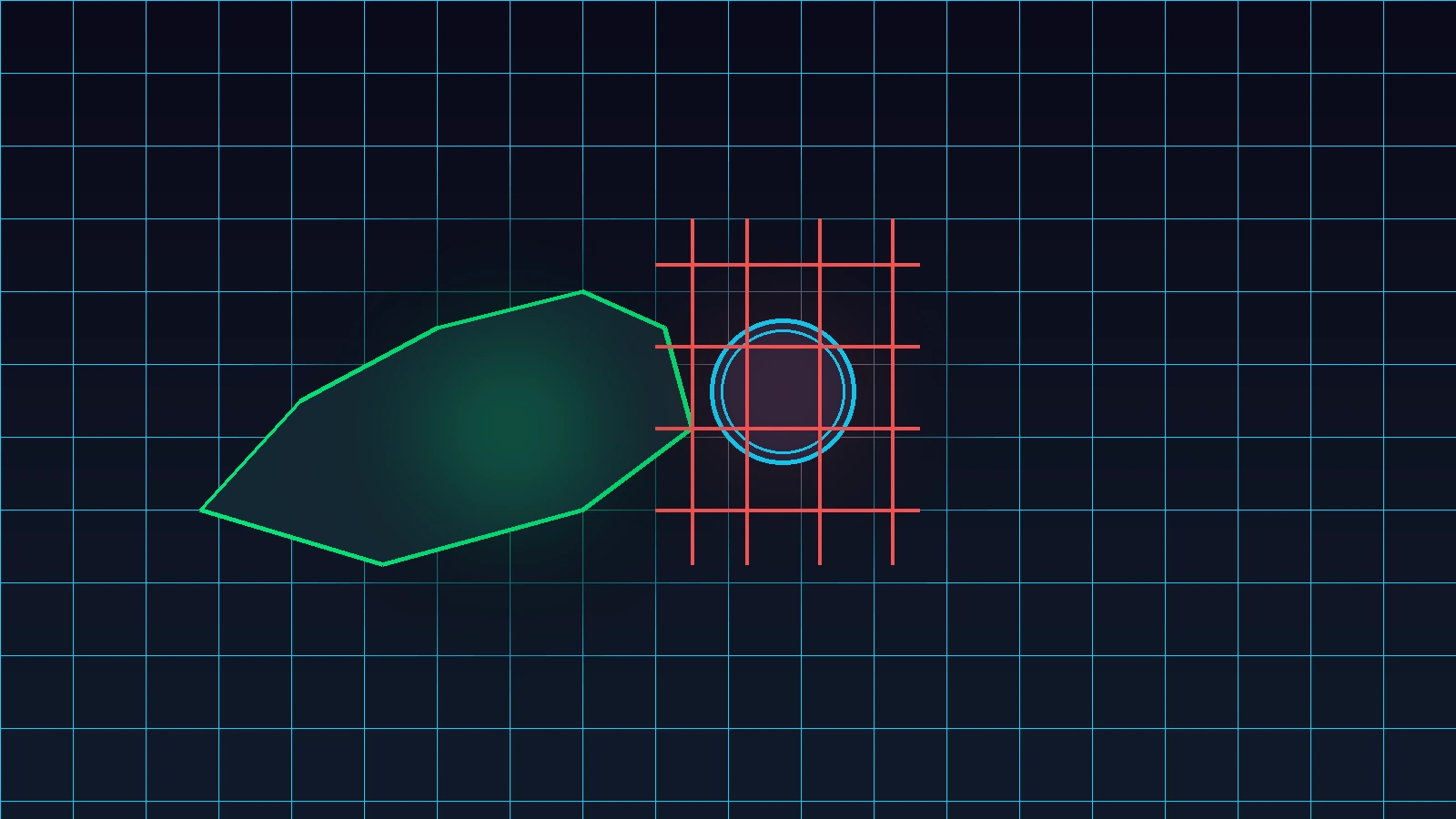
In practical terms, the token contract may restrict how much one wallet can buy in a transaction, how much it can hold overall, or how much can be sold in a given window. These rules are often marketed as fairness tools for launches and low-cap markets. Sometimes that is justified. Sometimes the rules linger far longer than they should.
Anti-whale mechanics vs related control rules
Why anti-whale tokens matter to traders
The reason is simple. Market structure changes when one wallet cannot dominate early. But risk also changes when token rules can block normal behavior. Traders need to judge whether anti-whale logic is a temporary launch guardrail or a permanent source of friction.
What anti-whale analysis helps you judge
Anti-whale token vs anti-bot token
This distinction matters because projects often blend the language. Anti-whale mechanics target concentration. Anti-bot mechanics target speed or automation. In reality one token may use both. Traders should not assume the label tells the full truth about what the contract actually restricts.
What anti-whale analysis cannot prove alone
- ✘ It does not replace transfer-fee analysis, because trading friction may come from multiple layers at once.
- ✘ It does not replace honeypot analysis, because limits and exit traps are not the same thing.
- ✘ It does not prove fair launches by itself, because insider and linked-wallet behavior still matter.
- ✘ It does not guarantee a token is safe if admins can exempt, bypass, or rewrite the rules.
How to inspect anti-whale mechanics in practice
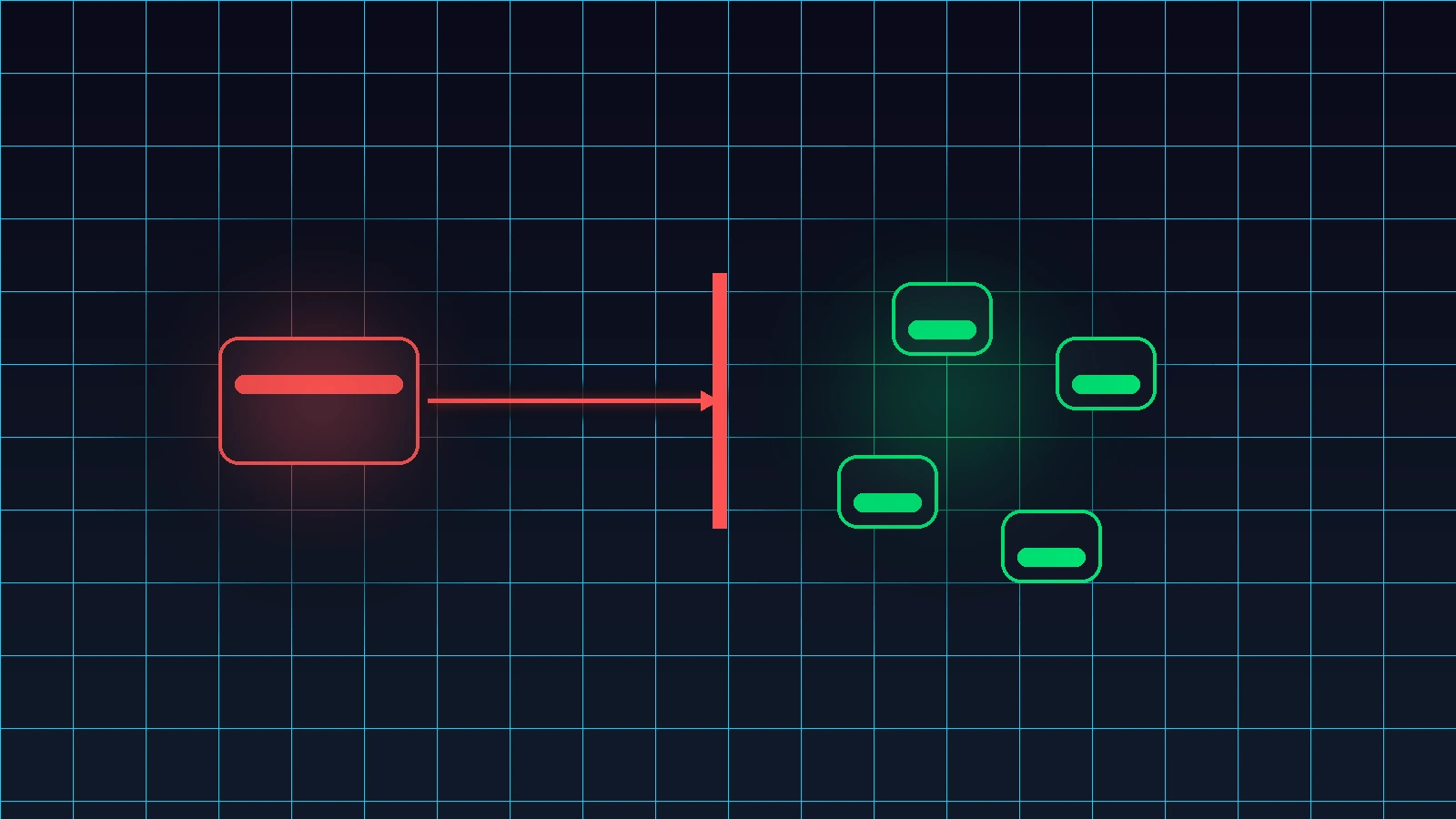
The clean workflow is to ask what the limit is, who controls it, who is exempt, and whether the rule still serves a fair market purpose after launch. If no one can answer clearly, the “anti-whale” label deserves skepticism.
A practical anti-whale workflow
- ✔ Check whether the token caps wallet size, transaction size, sells, or all three.
- ✔ Confirm whether owners or admins can change the limit after launch.
- ✔ Look for exempt wallets that may bypass the fairness story.
- ✔ Watch whether the rule still exists after launch stabilization or just becomes dead friction.
- ✔ Judge real trading behavior, not just the project’s anti-whale branding.
Final takeaway
An anti-whale token in crypto matters because it sits at the intersection of fairness and control. Good anti-whale design can reduce early concentration. Bad anti-whale design can create opaque restrictions that hurt ordinary traders more than real whales.
The practical rule is simple: if a token says it protects the market, check who controls the protection. The answer often tells you whether the rule is really for users or for insiders.
Related reads on DEXTools
FAQ
What is an anti-whale token in crypto?
An anti-whale token is a token that uses limits or special transfer rules to restrict how much one wallet can buy, hold, or sell within defined conditions.
Why do anti-whale tokens matter?
They matter because anti-whale mechanics affect launch fairness, liquidity behavior, and whether token restrictions protect the market or simply create admin-controlled friction.
Does anti-whale protection make a token safer?
Not automatically. It can reduce concentration or launch abuse in some cases, but it can also create confusion, broken routing, or hidden control risk.
What should traders check before trusting anti-whale mechanics?
They should check who controls the limits, whether the rules can change, how they affect buys and sells, and whether the mechanics are temporary safeguards or permanent restrictions.
Disclaimer: This content is for informational purposes only and does not constitute financial advice. Crypto investments carry risks, including loss of capital.
Related Guides
- How to Find New Memecoins Early in 2026: Anti-Rug Playbook
- What Is DCA in Crypto? Dollar Cost Averaging, Benefits and Limits (2026)
- How to Create a Meme Coin for Free: No-Code Launch Paths and Limits (2026)
- Borrow Cap vs Supply Cap: How Lending Limits Protect DeFi Markets
- What Is a Whale in Crypto: How Big Holders Move Markets (2026)
Frequently Asked Questions
What is an anti-whale token?
An anti-whale token uses built-in rules to limit how much any single wallet can hold or trade at once, aiming to prevent one large holder from dominating supply. These limits are coded directly into the token contract.
How do max-wallet and max-transaction limits work?
A max-wallet limit caps how many tokens a single address can hold, while a max-transaction limit caps how many tokens can be bought or sold in one trade. Together they are meant to discourage extreme concentration and very large single trades.
Do anti-whale limits actually protect traders?
They can reduce the impact of any one whale and slow large dumps, but they are not a guarantee of safety on their own. A determined actor may still spread holdings across many wallets to work around the limits.
What are the downsides of anti-whale tokens?
Strict limits can create friction, such as failed transactions when a trade exceeds the cap or difficulty exiting large positions. Buyers should understand the specific rules before trading so they are not surprised by blocked or reverted orders.