Brainrot Memecoins 2026: Italian Brainrot, Skibidi & More
— By Whatsertrade in Tutorials
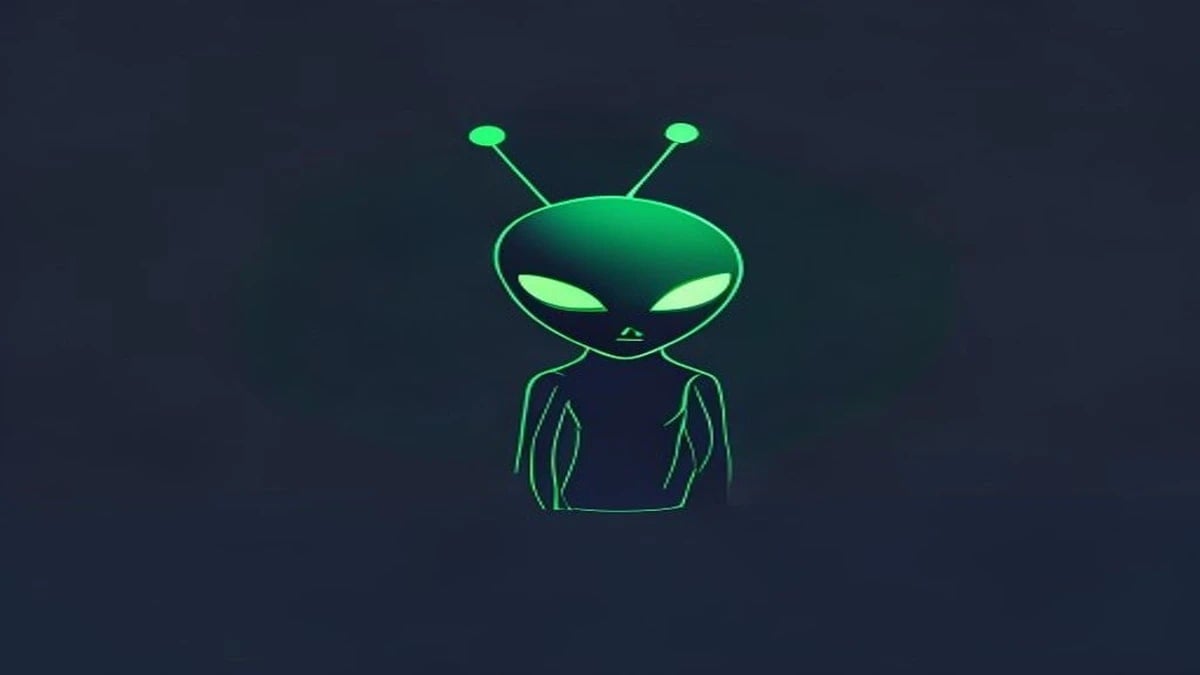
Complete 2026 guide to brainrot memecoins. Italian brainrot (Tralalero, Tung Tung, Bombardiro), alien meta (GLORP), Moo Deng, Hoppy, the TikTok flywheel, AI content production and trading.
Brainrot memecoins are the most culturally important development in crypto's memecoin layer in 2025-2026. What started as an Italian TikTok meme about a shark-cat-banana hybrid named Tralalero Tralala became a multi-billion-dollar market for surreal, AI-generated, internet-poisoned tokens that pull attention from outside the crypto bubble in ways no previous memecoin family ever has. This complete 2026 guide breaks down what brainrot is, where it came from, the major tokens, the TikTok virality engine, the cultural evolution from Italian brainrot to alien meta, and how to trade the category without becoming exit liquidity.
We will cover the origins of the brainrot aesthetic, the Italian brainrot wave (Tralalero, Tung Tung, Bombardiro), the alien meta extension (GLORP and cousins), the broader brainrot characters (Hoppy, Moo Deng, SLERF, BOME, TROLL), the TikTok distribution flywheel, and close with risk frameworks plus an extensive FAQ.
Key facts at a glance
- Italian brainrot (Tralalero Tralala, Tung Tung Tung Sahur, Bombardiro Crocodilo) drove the 2025 wave.
- Alien meta extended the brainrot aesthetic into 2026 with GLORP and a long tail of imitators.
- TikTok is the primary distribution engine, generating organic attention loops that crypto Twitter alone cannot.
- AI-generated content (especially short-form video with synthetic audio) is the production format behind the meta.
- Solana hosts the majority of brainrot memecoin trading via pump.fun and Virl.fun launchpads.
What is brainrot, exactly?
"Brainrot" started as a pejorative term used in the late 2010s to describe the cognitive effect of consuming too much surface-level internet content: short attention spans, oversaturated meme references, an inability to focus on long-form material. By 2023-2024 the term flipped: instead of being something to avoid, "brainrot" became an aesthetic to embrace. Creators on TikTok began producing content that explicitly leaned into the chaotic, surreal, low-effort, references-piled-on-references style that the term originally critiqued.
By 2025 the aesthetic had crystallized into specific subgenres. Italian brainrot featured surreal hybrid characters (sharks-with-bananas-and-sneakers, named with rhyming Italian gibberish) narrated in synthetic Italian audio over short loops. Skibidi brainrot extended the Skibidi Toilet YouTube series into TikTok memes. Alien brainrot used AI-generated alien characters with bright neon palettes and TikTok-native voice memes. Each subgenre produced its own memecoin extensions, and the crypto layer added a financial dimension to the cultural phenomenon.
What makes brainrot memecoins different from the broader Solana memecoin category is the distribution loop. Brainrot memes are produced and consumed primarily on TikTok, not crypto Twitter. The audience is younger, broader, and not crypto-native. When a brainrot character pumps as a Solana token, the upward price action attracts TikTok creators (who produce more content), which attracts more TikTok viewers (who become first-time crypto buyers), which feeds back into more price action. The flywheel runs on a different attention substrate than previous memecoin cycles.
The Italian brainrot wave
The Italian brainrot meta is the defining contribution of the 2025 cycle to internet meme culture. The genre began with AI-generated images of absurd hybrid characters paired with synthetic Italian narration over short TikTok clips. The characters had specific names following an Italian-rhyming-gibberish pattern, and individual character clips would loop endlessly on the For You page, building recognition over weeks.
Tralalero Tralala
Tralalero Tralala is the canonical Italian brainrot character: a shark with three legs wearing Nike sneakers, with the catchphrase "Tralalero, tralala, mi piace tanto la sua mama" (which translates loosely as "Tralala, tralalero, I really like your mom" in mangled internet Italian). The character became one of the most-recognized Italian brainrot icons during 2025 and inspired the Tralalero Tralala memecoin on Solana, which reached a market cap of approximately $40M at peak.
Deep dive on the token: Tralalero Tralala Solana Italian brainrot memecoin 2026. The Virl.fun launchpad picked up the Tralalero meta with a Virl-Tralalero variant that reached $900K market cap (covered in Virl.fun Virl-Tralalero $900K runner), demonstrating how the brainrot meta could fuel multiple competing launches of the same character.
Tung Tung Tung Sahur
Tung Tung Tung Sahur is a more recent Italian brainrot character, depicting a wooden Indonesian-style figure with a baseball bat, narrated with the repeated phrase "Tung Tung Tung Sahur." The character's appeal is the rhythmic catchphrase and the absurd visual: the figure is part Pinocchio, part Easter Island statue, part medieval armor. The Tung Tung memecoin extension on Solana followed the same pattern as Tralalero: rapid pump on TikTok virality, multi-million market cap, then decay as the meta rotated.
Bombardiro Crocodilo
Bombardiro Crocodilo is the third Italian brainrot icon, depicting a crocodile-bomber-airplane hybrid with the chant "Bombardiro Crocodilo, bombardini, bombardini." The character became the militaristic counterpart to the gentler Tralalero, with the meme structure mocking both Italian phonetics and absurd military theming. Bombardiro memecoins followed the same lifecycle as the other Italian brainrot tokens.
The Italian brainrot family
Beyond the three flagship characters, the Italian brainrot family includes dozens of secondary figures: Lirili Larila (an elephant in a stiletto), Trippi Troppi (a cat-shrimp), Brr Brr Patapim (a tree-frog hybrid), Boneca Ambalabu (a frog-tire creature), and many more. Each character has its own TikTok account or hashtag presence, its own catchphrase, and (in many cases) its own memecoin extension on Solana. The total brainrot universe has hundreds of characters, with new ones being generated by AI tools daily.
The alien meta: brainrot extends into 2026
By early 2026 the Italian brainrot meta had matured to the point that traders started looking for the next aesthetic that would generate similar TikTok virality. The alien meta emerged as one of the dominant successors. The format takes the brainrot aesthetic (surreal hybrid characters, AI-generated visuals, TikTok-native audio) and applies it to alien themes: green creatures, neon space backdrops, glitchy synthetic voiceovers about galactic invasions.
GLORP
GLORP is the canonical alien meta character: a small green-skinned cat with two glowing antennas, narrated with phrases like "zeep glorp" and "galactic skibidi glorp invasion initiated." The TikTok account @glorp_aliencat built a real audience over multiple viral cycles, with individual clips clearing six-figure like counts. The GLORP memecoin on Solana reached an $18M market cap on its V1 launch before bleeding out and is currently in a V2 relaunch attempting to replicate that move.
Deep dive on the token: GLORP alien cat Solana TikTok brainrot memecoin. GLORP's importance to the alien meta is that it is the source character: many other alien-themed tokens are derivatives or imitators of GLORP, which gives the original token the canonical position when the meta rotates back into focus.
The broader alien category
Beyond GLORP, the alien meta includes a long tail of characters: alien dogs, alien fish, alien-cat variants, alien-Italian-brainrot crossovers (alien Tralalero, alien Bombardiro). The pattern is the same: a TikTok-distributed character with a memorable visual hook, narrated via AI-generated voiceover, with a corresponding Solana memecoin extension. Most of these tokens die quickly; a small minority sustain enough TikTok presence to last weeks or months.
Other brainrot-adjacent characters
Several characters that pre-date or sit adjacent to the formal Italian brainrot meta deserve mention because they share the same TikTok-distributed, surreal aesthetic and follow similar memecoin patterns.
Hoppy (the frog brainrot)
Hoppy is a Pepe-adjacent frog character that launched on Solana via a Wolf Deployer team, achieving a 600% pump on launch (covered in Wolf Deployer launches Hoppy 600% pump on Solana). Hoppy fits the brainrot category by being a TikTok-native character with surreal visual content and AI-generated voiceover material, despite being a frog rather than the canonical Italian brainrot animals.
Moo Deng (the pygmy hippo)
Moo Deng is the Thai zoo pygmy hippo that became a global viral phenomenon in late 2024. Unlike the AI-generated Italian brainrot characters, Moo Deng is a real animal at the Khao Kheow Open Zoo, but the TikTok-driven viral distribution and the surreal-cute aesthetic put her in the same broader brainrot category. The MOODENG memecoin on Solana reached over $700M market cap. Deep dive: What is Moo Deng: baby pygmy hippo Solana memecoin guide 2026.
SLERF (the famous burn incident)
SLERF is the sloth memecoin most famous for its accidental token burn during airdrop distribution in 2024, where the team burned the airdrop supply instead of distributing it. The incident paradoxically made the token more famous, and SLERF still trades with the brainrot category. Deep dive: What is SLERF Solana sloth memecoin burn incident guide 2026.
BOME (Book of Meme)
BOME is a Darkfarms art-and-DAO experiment that fused meme aesthetics with on-chain liquidity. While not strictly brainrot in the Italian-shark sense, BOME shares the surreal-internet-culture aesthetic and reached a $1.5B peak market cap. Deep dive: What is BOME Book of Meme Solana Darkfarms memecoin guide 2026.
TROLL
TROLL is a trending Solana memecoin built around the troll-face meme, which predates the brainrot aesthetic but shares the surreal-internet-culture positioning. The token sits in the broader "cursed character" subcategory of the brainrot extended universe. Coverage: TROLL Solana trending memecoin.
Top brainrot memecoins compared (2026)
Things to know about brainrot memecoin investing
- The category rotates faster than other memecoin families; characters fade within weeks.
- Source characters (the TikTok original) tend to outperform derivatives in the long run.
- TikTok engagement is a leading indicator; check the account activity before sizing in.
- Most brainrot tokens are launched permissionlessly with no team accountability.
- Brainrot pumps often happen during off-hours US time because of TikTok's global distribution.
The TikTok distribution flywheel
The reason brainrot memecoins outperform comparable memecoin attempts is the TikTok flywheel. The mechanism has six interconnected stages.
Stage 1: Character creation. A creator (usually anonymous, often using AI tools) generates a brainrot character. The character has a memorable visual, a catchy name, and a short audio loop. The character is posted on TikTok with relevant hashtags.
Stage 2: Organic distribution. The TikTok algorithm pushes the character to a small initial audience. If the engagement is strong (likes, shares, comments, completion rate), the algorithm broadens distribution. Most characters die here; the small minority that survive become candidates for the next stage.
Stage 3: Memecoin extension. A separate creator (or the original creator) deploys a memecoin on Solana referencing the character. The token launches via pump.fun, Virl.fun, or another launchpad with standard bonding curve mechanics. Initial buyers tend to be crypto-Twitter traders who follow the brainrot tag.
Stage 4: Price action. If the token bonding curve graduates to Raydium (or has enough early buying pressure), the chart action becomes a story in itself. TikTok creators start posting "I bought X token because of Y meme" content, which feeds back into the next stage.
Stage 5: Audience expansion. The price story attracts new TikTok viewers who were not previously aware of the meme. Some convert to first-time crypto buyers. The character's TikTok presence expands, more creators produce content, more buyers enter the token.
Stage 6: Saturation and rotation. Eventually the meta saturates: every TikTok feed has seen the character, the novelty fades, the price action loses momentum. New brainrot characters emerge and the cycle restarts. The original character either becomes a long-term meme reference (Tralalero) or fades to zero (most others).
The AI content production layer
A crucial structural change that enabled the brainrot meta is the maturation of AI content production tools. By 2024-2025, generative AI made it possible for a single creator to produce hundreds of short videos in a day: AI image generation (MidJourney, Stable Diffusion) for the visuals, AI voice generation (ElevenLabs, Suno) for the audio, AI video compositing (Runway, Sora) for the motion, and template-based editing (CapCut) for the final output. The cost of producing brainrot content collapsed from "professional animation studio" to "one person with a laptop and a few hundred dollars in API credits."
This is why brainrot characters can proliferate so fast. A new character can be designed, content can be generated, TikTok accounts can be spun up, and tokens can be launched within hours. The bottleneck is no longer production capacity; it is finding which characters resonate enough to drive organic distribution. The vast majority die in obscurity; the small fraction that capture attention can scale to multi-million-dollar caps.
For traders, the implication is that the brainrot supply is effectively unlimited. New characters are being created and tested continuously. The edge is in identifying which characters have the distribution signals (TikTok engagement, hashtag growth, organic spread) before they become obvious to the broader market.
Trading brainrot: the playbook
The brainrot trading playbook is structurally similar to the broader Solana memecoin playbook but with category-specific adjustments.
1. TikTok-first scanning
Rather than starting from DexTools, brainrot trading often starts from TikTok. Identify characters with growing TikTok hashtag activity and recently-spun-up creator accounts. Cross-reference against memecoin launches on Solana to find the corresponding tokens. The chart often follows the TikTok signal by 24 to 72 hours.
2. Source character priority
When multiple tokens reference the same character, the source character token (linked to the original TikTok account) tends to outperform derivatives. Verify which token has the bio link or pin from the original TikTok account before buying.
3. Speed of rotation
Brainrot characters rotate faster than other memecoin families. Plan exits assuming a 2-4 week half-life for the meta. Coins that survive longer (Moo Deng, the original Tralalero) are the exception, not the rule.
4. Off-hours timing
TikTok's audience is global, and brainrot pumps often happen during US off-hours (Asian and European market hours). Set alerts and be prepared for moves at unusual times.
5. Multi-character rotation strategy
The most successful brainrot traders run a portfolio of small positions across multiple characters rather than concentrating in one. The portfolio approach captures the broad meta upside while limiting exposure to any individual character's failure.
Highlights of brainrot meta dynamics
- TikTok virality is the leading indicator; price follows TikTok engagement by 24-72 hours.
- Source characters outperform derivatives over time; verify the canonical token.
- AI-generated content has collapsed production cost, making the supply effectively unlimited.
- Brainrot pumps often happen during US off-hours due to global TikTok distribution.
- The meta rotates fast: plan exits assuming a 2-4 week half-life.
- A portfolio approach across multiple characters outperforms concentrated bets.
Risks: brainrot-specific failure modes
Brainrot risks to know
- Meta rotation: Brainrot subgenres rotate faster than other memecoin families. The Italian brainrot wave that pumped Tralalero is now mature.
- Derivative dilution: Multiple tokens often launch around the same character, splitting attention and capital.
- Fake official: Many tokens claim to be "official" without actual backing from the TikTok creator.
- TikTok account loss: If the source TikTok account is banned or abandoned, the distribution flywheel breaks.
- AI content fatigue: Audiences eventually saturate on AI-generated content. The aesthetic that worked in 2025 may not work in 2027.
- Cultural backlash: Brainrot has periodically attracted critical commentary about cognitive decline and content quality, which could shift discovery dynamics.
- Bundled supply and rugs: The standard memecoin risks (bundled supply, hard rugs, sniper traps) apply to brainrot tokens.
The wider brainrot character universe
Beyond the major characters covered above, the brainrot ecosystem extends into adjacent meme families that share the same internet-poisoned, surreal aesthetic. These adjacent categories produce occasional Solana memecoin extensions that pump on brainrot-like dynamics.
Smurf Cat (sjwz). The "you smurf cat?" cursed-cat meme from Russian internet culture became one of the largest viral cat memes of 2024-2025. The SMURF token reached over $70M before decaying. Deep dive: What is Smurf Cat Solana viral memecoin guide 2026.
PsyopAnime. An anime-themed pump.fun launch that combined brainrot aesthetics with anime culture references. Coverage: PsyopAnime pump.fun Solana meme coin.
Gigachad (GIGA). The Gigachad meme is older than the formal brainrot category but shares the surreal-character aesthetic. The GIGA token reached over $1B. Deep dive: What is Gigachad GIGA Solana memecoin guide 2026.
Pump.fun home-themed tokens. A specific brainrot-adjacent micro-meta emerged around home-themed pump.fun launches following the Alon Cohen doxxing claims controversy (covered in Pump.fun Alon Cohen doxxing claims home-themed tokens). The meta is an example of how breaking news can spawn instant brainrot subcategories.
Brainrot in the broader Solana memecoin context
Brainrot memecoins are one specific subcategory within the broader Solana memecoin ecosystem. For the full overview of how brainrot fits into the wider Solana memecoin universe (alongside animal coins, dog coins, cat coins, AI memecoins, and politics-driven tokens), see our companion pillar: Solana Memecoins Complete 2026 Guide.
The interaction between brainrot and other memecoin families is dynamic. During strong brainrot meta waves, capital rotates into brainrot tokens from cat coins and animal coins. During brainrot quiet periods, capital rotates back out. Traders who follow the broader memecoin meta rotation (covered in Bot-driven memecoin markets explained and other related guides) can position ahead of these rotations.
Where brainrot goes from here
Three trends will shape the brainrot memecoin category through 2026-2027. First, aesthetic evolution: the Italian-shark aesthetic that dominated 2025 has matured, and the alien meta is currently leading 2026. The next aesthetic (whatever it is) will follow a similar pattern: TikTok-first distribution, AI-generated content, Solana token extension. Second, source-character consolidation: as the category matures, the source-character tokens tend to outperform the derivative wave. Identifying the canonical character early is the durable edge. Third, infrastructure formalization: launchpads like Virl.fun that specifically curate brainrot-adjacent characters may carve out a defensible niche compared to pure-permissionless platforms like pump.fun.
The broader question is whether brainrot is a transient cultural phenomenon or a permanent change in how internet attention is distributed. Our view: the underlying dynamic (TikTok as primary discovery, AI as production layer, Solana as financial extension) is durable. The specific characters will rotate. The category will outlast any individual meta.
FAQ: Brainrot Memecoins 2026
What is a brainrot memecoin?
A brainrot memecoin is a token tied to a surreal, AI-generated, TikTok-distributed character. The category covers Italian brainrot (Tralalero, Bombardiro), alien meta (GLORP), and adjacent characters (Hoppy, Moo Deng).
What is Italian brainrot?
Italian brainrot is a subgenre of brainrot memes featuring surreal hybrid characters (sharks-with-bananas, crocodile-bombers) narrated in rhyming Italian gibberish over short TikTok clips. Tralalero Tralala is the canonical example.
What is the alien meta?
The alien meta is the 2026 extension of the brainrot aesthetic, featuring AI-generated alien characters with neon palettes and TikTok-native voice memes. GLORP is the canonical alien character.
Why do brainrot memecoins pump?
Because TikTok provides a non-crypto distribution channel that pulls first-time buyers into the funnel. The flywheel between TikTok virality, price action, and creator content compounds in ways that crypto-Twitter-only memecoins cannot match.
Which is the biggest brainrot memecoin?
Moo Deng reached the largest peak market cap among brainrot-adjacent tokens at over $700M. Among the strict Italian brainrot subgenre, Tralalero Tralala peaked around $40M.
Are brainrot memecoins on Ethereum or Solana?
Almost all brainrot memecoins launch on Solana via pump.fun, Virl.fun, or similar launchpads. Solana's low fees and fast block times match the rapid trading characteristics of the category.
How long do brainrot memecoins typically last?
The median brainrot token has a 2-4 week half-life. A small minority (Moo Deng, Tralalero) sustain longer. Plan exits assuming the median.
How do I identify a real brainrot opportunity?
Start from TikTok rather than DexTools. Identify characters with growing engagement, then cross-reference against memecoin launches. Prioritize source-character tokens over derivatives.
What is the difference between brainrot and other memecoins?
Brainrot memecoins rely on TikTok distribution rather than crypto-Twitter alone. The audience is broader, the meta rotates faster, and the production layer is AI-generated content rather than human-created memes.
Can I buy brainrot memecoins on a CEX?
Most brainrot memecoins are not listed on major CEXs. A small minority (Moo Deng, BOME, SLERF) eventually reached CEX listings, but for most brainrot tokens you need a Solana wallet and a DEX (Raydium, Jupiter, pump.fun).
What is the relationship between brainrot and Skibidi Toilet?
Skibidi Toilet was an earlier YouTube series that contributed to the broader brainrot aesthetic. Skibidi references appear throughout the meta, but most brainrot memecoins are not directly Skibidi-themed.
Are brainrot memecoins regulated as securities?
The SEC has not specifically classified brainrot memecoins. The general memecoin category sits in a regulatory gray area. Trading is at the user's own risk.
A typical brainrot character lifecycle, week by week
To make the cycle concrete, here is what a typical successful brainrot character lifecycle looks like across a 6-week arc, based on observation of dozens of recent meta-defining characters.
Week 1: emergence. The character is created and posted on TikTok. Initial engagement is modest but consistent. A handful of early creators imitate the character's visual or audio. Hashtag presence is in the low thousands of posts. No Solana memecoin extension yet (or the first attempt has died on the curve).
Week 2: viral inflection. The character gets pushed by the TikTok algorithm to a larger audience. Individual clips start clearing 100K to 1M views. Hashtag volume grows 5-10x week-over-week. Crypto-Twitter traders notice the trend and start chatter on alpha groups. The first viable Solana memecoin extension launches, often via pump.fun.
Week 3: peak narrative. The character is everywhere on TikTok. Major creators outside the original niche start posting about it. Crypto-Twitter is full of "X token because of Y character" content. The memecoin chart goes parabolic, often pumping 5x to 20x over a few days. Multiple derivative tokens launch alongside the source token, fragmenting attention.
Week 4: distribution and rotation. The TikTok engagement starts to plateau. Early buyers begin taking profit. The chart goes through a series of pumps and dumps as new entrants try to ride the late wave. The peak market cap is usually reached somewhere in this week. Smart capital starts rotating to the next brainrot character that is showing early-stage signals.
Week 5: decay. TikTok algorithm pushes new characters; the original character's engagement falls 50-80% from peak. The memecoin chart enters a sustained downtrend. Holders who refused to sell at the top start to panic. Selling pressure overwhelms residual buying.
Week 6+: residual or revival. Most characters fade to near-zero after week 5-6. A small minority enter a "long-tail" phase where they maintain a base of loyal holders and occasional pump revivals tied to news events. The original Tralalero, Moo Deng, and a handful of others have managed multi-month residual phases. Most do not.
The cultural critique: is brainrot good for the internet?
A separate question worth addressing is the cultural critique of brainrot itself. Mainstream commentators (and many traders themselves) have argued that brainrot represents a degradation of internet content: shorter attention spans, surface-level engagement, AI-generated mediocrity replacing human creativity, and a financialization of memes that turns culture into casino tokens.
The defense, often offered by brainrot creators themselves, is that the aesthetic is intentionally absurd as a form of meta-commentary on internet culture. Tralalero, GLORP, and the Italian brainrot characters are not trying to be high art; they are reveling in the chaotic, gibberish-laden, low-effort layer of internet culture that the term "brainrot" originally critiqued. The financialization via memecoins adds a literal economic stake to what would otherwise be ephemeral content.
For traders, the cultural debate matters less than the distribution dynamics. Whether brainrot is "good" or "bad" for internet culture, the TikTok flywheel is real and the price action is real. The category will continue to exist as long as TikTok exists and AI content production remains cheap. The specific characters will rotate; the underlying mechanism will not.
Tooling and discovery for brainrot trading
Trading brainrot memecoins efficiently requires a specific tooling stack that complements general Solana memecoin tools with brainrot-specific discovery channels.
DexTools and price discovery
DexTools is the primary chart and pair-explorer surface for brainrot tokens after they have launched. The trending tab catches breakout tokens 12-48 hours into the pump cycle, which is usually too late for early entry but useful for momentum trades. Filter by Solana, sort by 24h volume growth, and look for tokens with new holder counts climbing fast.
TikTok hashtag scanning
The earliest signal for brainrot characters is TikTok hashtag growth. Tools like TikTok's own analytics (for verified accounts), third-party hashtag trackers, and manual scanning of brainrot-adjacent tags (#brainrot, #italianbrainrot, #aliencat, #tralalero) reveal which characters are gaining engagement before the corresponding Solana token starts pumping.
Crypto-Twitter alpha groups
Several Twitter/X accounts focus specifically on tracking brainrot launches and TikTok-Solana correlation. Following these accounts (without acting blindly on their calls) provides a second-level filter on which characters are actually moving capital. Be aware that many of these accounts are paid promoters or have undisclosed positions.
Pump.fun and Virl.fun launchpad scanning
Most brainrot tokens launch on pump.fun or Virl.fun. Monitoring these launchpads directly for new mints tagged with brainrot keywords (in token name, ticker, or description) catches launches before they appear on DexTools trending. The trade-off is that the noise level is extremely high; for every viable launch there are hundreds of dead-on-arrival mints.
Solscan and holder analysis
Once a brainrot token is identified, the standard holder-analysis tools (Solscan, Birdeye, DexTools holder distribution) apply. Run the holder check before sizing in: bundled supply, sniper concentration, and dev wallet behavior should all be checked regardless of how strong the TikTok signal is.
Brainrot as an economic phenomenon
Stepping back from the trading layer, brainrot represents a genuinely new economic phenomenon worth understanding even for non-traders. The category combines four elements that have not previously been combined at this scale: AI-generated content (the production layer), TikTok algorithmic distribution (the discovery layer), permissionless Solana token issuance (the financialization layer), and global retail participation (the demand layer).
The result is an economic stack where a single creator can produce, distribute, and monetize a character within days, with no gatekeepers, no platform fees beyond the underlying chain, and no geographic restrictions. The market mechanism then selects which characters succeed based on attention rather than artistic merit, business model, or institutional backing. This is the same selection mechanism that produces every memecoin cycle, but the brainrot wave demonstrated it at a scale and speed that surprised even seasoned crypto observers.
Whether this is a net good for culture or capital is a separate question. As a market structure, it works: capital flows efficiently to the characters with the strongest engagement signals, creators are rewarded for content that resonates, and the failure mode (most tokens go to zero) is borne by speculators who voluntarily participate. The category is likely a permanent feature of the post-2024 crypto landscape.
Bottom line
Brainrot memecoins are the loudest, most attention-rich subgenre of the broader Solana memecoin landscape in 2026. Italian brainrot (Tralalero, Bombardiro, Tung Tung) defined the 2025 wave; alien meta (GLORP) is extending into 2026; the broader category includes Moo Deng, Hoppy, SLERF, BOME, and many more. The TikTok-first distribution flywheel and the AI-generated content production layer are the structural features that make this category genuinely new compared to previous memecoin cycles. Use the satellite guides linked throughout this pillar to deep dive into each character, and remember that the meta rotates fast, source characters outperform derivatives, and a portfolio approach beats concentration.
Related Guides
- Top 5 Restaking Protocols in 2026: EigenLayer, EtherFi, Symbiotic and More
- 5 Best AI Crypto Tokens 2026: Bittensor, Render, NEAR + 2 More
- Protocol Error Rate vs Transaction Growth: When More Activity Means Worse UX
- Liquidity Velocity: Why Fast LP Changes Matter More Than Total Liquidity
- Liquid Staking Explained: stETH, rETH, jitoSOL and More